Dost Pakistan Journeys Tours and safaris in the North & South Pakistsn
Related Articles


Pakistan’s Diplomatic Triumph: Navigating US-Iran Tensions Towards Regional Stability
The News: A Breakthrough in US-Iran Dialogue
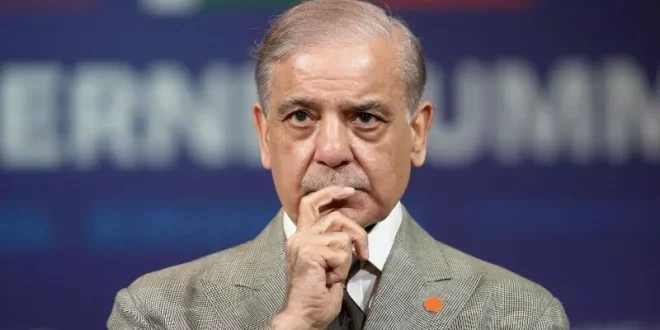
Pakistan recently played a pivotal role in facilitating high-level talks between the United States and Iran in Switzerland, culminating in what Prime Minister Shehbaz Sharif described as “encouraging progress.” Following the conclusion of these crucial discussions, held under the framework of the Islamabad Memorandum of Understanding, both PM Sharif and Deputy Prime Minister Ishaq Dar expressed satisfaction, highlighting a tangible roadmap for a final peace deal within 60 days. The engagement saw commitments to establishing a high-level committee for political oversight and initiating further technical talks. Praise was extended to the leadership of both the US and Iran, as well as crucial support from Qatar and Switzerland. Notably, PM Sharif lauded Chief of Defence Forces (CDF) Field Marshal Asim Munir for his “untiring efforts” in ensuring the talks’ success, underscoring the military’s integral role in this diplomatic feat. Pakistan has reaffirmed its commitment to continuing its “honest and sincere role” in advancing dialogue towards a peaceful resolution.
Background: Decades of Distrust and a Region in Flux
The recent US-Iran talks represent a significant, albeit nascent, step towards de-escalation in a relationship fraught with decades of profound mistrust and geopolitical rivalry. The animosity between Washington and Tehran spans from Iran’s 1979 Islamic Revolution, through its nuclear ambitions, to its regional influence contested by the US and its allies. Key flashpoints, such as Iran’s nuclear program and its alleged support for various non-state actors in the Middle East, have led to crippling sanctions, military stand-offs, and proxy conflicts across the region.
The broader Middle East remains a crucible of instability, with the ongoing conflict between Israel and Hezbollah in Lebanon serving as a stark reminder of the region’s fragility. The Strait of Hormuz, a vital choke point for global oil shipments, has also been a frequent area of tension, underscoring the international stakes involved. In this complex landscape, any direct dialogue between the US and Iran holds immense weight, potentially impacting global energy markets, trade routes, and regional security dynamics.
Pakistan’s emergence as a mediator in this high-stakes scenario is rooted in its unique geopolitical position. Historically maintaining complex but functional ties with both the US and Iran, Pakistan has often sought a balanced foreign policy approach. The Islamabad Memorandum of Understanding, under which these talks were convened, signifies Pakistan’s proactive diplomatic initiative to leverage its influence for regional stability. It positions Pakistan not just as a host, but as an architect of the dialogue framework, reflecting a strategic pivot towards becoming a constructive player in resolving major international disputes.
Impact on Pakistan: A Diplomatic Ascent and Regional Influence
Successfully facilitating high-level talks between two global adversaries marks a substantial foreign policy achievement for Pakistan, yielding significant benefits:
- Enhanced Diplomatic Standing: This role elevates Pakistan’s international profile, showcasing its capability to act as a neutral and effective “honest broker” in some of the world’s most intractable conflicts. It signals Pakistan’s commitment to multilateralism and peaceful resolution, potentially attracting further diplomatic opportunities and bolstering its reputation on the global stage.
- Strategic Relevance: In an increasingly multipolar world, Pakistan’s ability to bridge divides between major powers underscores its strategic importance. This can translate into stronger diplomatic leverage and better relations with key global and regional actors, including the US, Iran, Qatar, and other Gulf states.
- Regional Stability and Economic Dividends: De-escalation in the Middle East directly benefits Pakistan’s economic interests. Reduced regional tensions can lead to more stable oil prices, secure trade routes, and a more predictable environment for foreign investment, including crucial projects like the China-Pakistan Economic Corridor (CPEC). Stability in its neighborhood is paramount for Pakistan’s own long-term economic recovery and growth.
- Internal Cohesion and Military’s Role: The effusive praise from PM Shehbaz Sharif for CDF Asim Munir, along with the recognition of DPM Ishaq Dar and Interior Minister Mohsin Naqvi, highlights a rare moment of unified purpose in Pakistan’s foreign policy apparatus. This public acknowledgment of the military’s “untiring efforts” reinforces the institution’s deep involvement and influence in strategic national affairs, presenting a cohesive front to the international community.
- Strengthened Bilateral Ties: By facilitating these talks, Pakistan strengthens its individual relationships with both the US and Iran. It builds trust, which could lead to deeper cooperation on various fronts, from counter-terrorism to trade, while carefully navigating its alliances.
Analysis: Navigating the Perilous Path of Peacemaking
While the “encouraging progress” in Switzerland is a commendable initial step, the path towards a lasting US-Iran resolution remains fraught with significant challenges. Pakistan’s role as an “honest and sincere” broker will be tested by the depth of animosity and the complexity of the issues at hand.
The Honest Broker’s Dilemma
Maintaining neutrality and earning the trust of two deeply suspicious adversaries is a delicate balancing act. Pakistan’s pledge to an “honest and sincere” role is critical, as any perception of bias could derail future efforts. The success of the Islamabad Memorandum of Understanding as a diplomatic framework hinges on its ability to offer a credible, impartial platform where grievances can be aired and solutions sought without external pressure.
Formidable Hurdles Ahead
- The Nuclear Question: The brief mention of the nuclear issue, without delving into details, underscores its highly sensitive and intractable nature. Iran’s nuclear program remains a core point of contention, and finding a mutually agreeable framework for its oversight will be the most significant hurdle.
- Regional Proxy Wars: Beyond the immediate cessation of hostilities in Lebanon and the safety of the Strait of Hormuz, the broader network of US-Iran proxy conflicts across the Middle East (Yemen, Iraq, Syria) presents a massive challenge. Sustainable peace requires addressing these underlying rivalries.
- Domestic Political Will: The 60-day roadmap is ambitious. Both Washington and Tehran face internal political dynamics that could either support or undermine diplomatic efforts. Sustaining political will and managing expectations will be crucial during this period.
- Building Trust: Decades of hostility cannot be undone in a few meetings. The technical talks and the high-level committee will need to painstakingly build confidence, one step at a time.
The Military’s Pervasive Role
PM Sharif’s explicit tribute to CDF Asim Munir for his “untiring efforts” is particularly noteworthy. It highlights the Pakistan Army’s enduring and prominent role in shaping the nation’s foreign policy and national security strategy. This institutional involvement, deeply embedded in Pakistan’s statecraft, suggests that future diplomatic initiatives of this magnitude will likely continue to involve close coordination and leadership from the military establishment, reflecting the unique civil-military dynamics within Pakistan.
Broader Implications
If successful, Pakistan’s mediation could pave the way for a broader de-escalation across the Middle East, leading to enhanced regional stability, economic cooperation, and reduced human suffering. For Pakistan itself, this success solidifies its claim as a significant diplomatic force, capable of contributing constructively to global peace and security. It presents an opportunity for Islamabad to pivot from a nation often associated with regional conflicts to a pivotal player in their resolution, enhancing its geopolitical clout and long-term strategic objectives.
In essence, while the Swiss talks offer a glimmer of hope, they are merely the beginning of a long and arduous journey. Pakistan, having laid the groundwork, is now committed to helping navigate this complex terrain, aspiring to be a beacon of stability in a volatile world.