Dost Pakistan Journeys Tours and safaris in the North & South Pakistsn
Related Articles


PM Shehbaz Sharif’s Pivotal Saudi Arabia Visit: Navigating Geopolitical Tensions and Bolstering Bilateral Ties
The News: A High-Powered Delegation to Riyadh
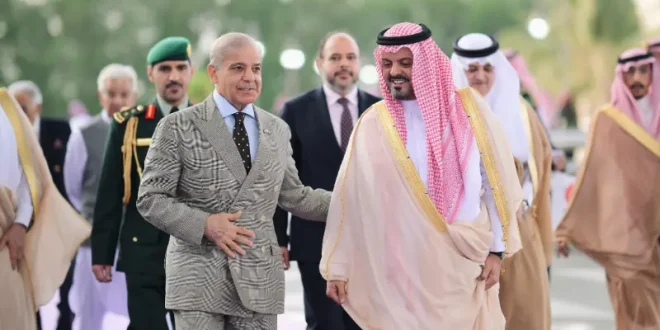
Prime Minister Shehbaz Sharif has embarked on a significant three-day visit to Saudi Arabia, leading a high-profile delegation that underscores the strategic importance of this engagement. Arriving in Jeddah, the Pakistani premier was received by senior Saudi officials, including the Deputy Governor of Makkah, Prince Saud bin Mishal bin Abdulaziz, signifying the warmth and reverence accorded to the visit.
The delegation’s composition is particularly noteworthy, featuring not only key cabinet members such as Defence Minister Khawaja Asif, Information Minister Attaullah Tarar, and Foreign Minister Muhammad Ishaq Dar, but also the Chief of Defence Forces (CDF) and Chief of Army Staff (COAS) Field Marshal Asim Munir. The presence of Pakistan’s top military leadership alongside its political counterparts highlights the multi-faceted nature of the discussions expected to unfold.
During his stay, Prime Minister Sharif is slated to hold crucial talks with Saudi Crown Prince Mohammed bin Salman (MBS). The agenda is set to focus on consolidating the robust Pakistan-Saudi bilateral relationship and exchanging perspectives on pressing regional and international developments. Beyond official engagements, the Prime Minister will also undertake the spiritual journey of performing Umrah and visiting the Holy Prophet’s (PBUH) mosque in Madina, reinforcing the deep religious and cultural bonds between the two nations.
Background: Decades of Strategic Partnership Amidst Regional Flux
The relationship between Pakistan and Saudi Arabia is deeply rooted in shared religious heritage, cultural affinity, and historical cooperation, forming a strategic partnership that spans decades. Saudi Arabia has consistently been a vital ally for Pakistan, offering economic support, investment, and a critical avenue for Pakistani expatriates seeking employment.
This visit, however, unfolds against a backdrop of escalated geopolitical volatility across the Middle East. The Gulf region is experiencing heightened tensions, driven by ongoing conflicts and evolving security threats, particularly in the Red Sea. Saudi Arabia, a key player in regional stability, recently initiated plans for a multinational maritime defence coalition aimed at safeguarding vital shipping and energy supply routes in the Red Sea. Pakistan’s immediate endorsement and support for this fourteen-nation alliance underscore its commitment to regional maritime security and its strategic alignment with Riyadh.
Furthermore, Pakistan has demonstrated its solidarity with Saudi Arabia on critical security matters. This includes endorsing Saudi air strikes in Iraq against elements of the Popular Mobilisation Units, actions Riyadh deemed necessary for self-defence following attacks on its oil facilities. Islamabad also issued a strong warning against Yemen’s Houthi rebels’ maritime blockade targeting Saudi shipping, declaring any hostile action against Pakistani-flagged vessels or commercial shipping as a “red line” and reiterating its unwavering commitment to Saudi Arabia’s security and the unimpeded flow of lawful maritime commerce through the Red Sea and Bab al-Mandeb.
A significant milestone in the bilateral defence relationship was the Strategic Mutual Defence Agreement (SMDA) concluded last year, which became operational earlier this year. This framework solidifies military cooperation, providing a structured approach to joint defence and security challenges. Intriguingly, this deepened security alignment coincides with Pakistan’s diplomatic overtures to mediate between Iran and the United States, showcasing a nuanced foreign policy aimed at fostering broader regional peace while upholding its core alliances.
Impact on Pakistan: Economic Lifeline and Geopolitical Leverage
For Pakistan, strengthening its ties with Saudi Arabia carries profound implications across multiple domains, most notably economic stability and geopolitical influence.
- Economic Support and Investment: Saudi Arabia has historically been a crucial financial benefactor for Pakistan, providing much-needed loans and deferred oil payment facilities during economic crises. This visit is likely to explore further avenues for Saudi investment under the Special Investment Facilitation Council (SIFC) initiative, particularly in sectors like mining, agriculture, energy, and IT. Enhanced economic cooperation can provide a vital lifeline to Pakistan’s struggling economy, attract foreign direct investment, and create employment opportunities.
- Energy Security: As a major oil producer, Saudi Arabia is indispensable for Pakistan’s energy security. Strengthening this relationship helps ensure a stable supply of oil, critical for Pakistan’s industrial and domestic needs, especially amid global energy market volatilities.
- Security and Defence Enhancement: The operationalization of the Strategic Mutual Defence Agreement and Pakistan’s participation in the Red Sea maritime coalition significantly bolster its defence capabilities and regional security profile. This military cooperation provides Pakistan with access to advanced defence technologies, joint training opportunities, and strategic depth, particularly important given its regional security challenges.
- Diplomatic and Moral Support: Saudi Arabia’s standing as a leading Muslim nation provides Pakistan with valuable diplomatic leverage on international forums, including the Organization of Islamic Cooperation (OIC). The solidarity between the two countries reinforces Pakistan’s position in the Muslim world and global geopolitics.
- Remittances: The large Pakistani diaspora working in Saudi Arabia sends billions in remittances annually, which are a cornerstone of Pakistan’s foreign exchange reserves and vital for balancing its current account deficit. Continued strong relations ensure the welfare of these expatriates and the sustained flow of remittances.
Analysis: A Multifaceted Diplomatic Offensive Amidst Regional Volatility
Prime Minister Shehbaz Sharif’s visit to Saudi Arabia, characterized by its high-level delegation including the military chief, signals a deep and multifaceted diplomatic offensive. This is not merely a routine visit but a strategic move to solidify a critical alliance during a period of intense regional and international flux.
The presence of Field Marshal Asim Munir alongside the Prime Minister underscores the visit’s heavy emphasis on strategic depth and military cooperation. It signals Pakistan’s unwavering commitment to Saudi Arabia’s security and its readiness to contribute to regional stability, especially in light of the Strategic Mutual Defence Agreement. This military alignment also positions Pakistan as a significant security partner in addressing emerging threats in crucial waterways like the Red Sea, a nexus for global trade and energy flow.
Economic imperatives are undoubtedly a silent but potent driving force behind this engagement. With Pakistan grappling with persistent economic challenges, securing Saudi investment and financial support remains a top priority. The discussions with Crown Prince MBS are expected to pave the way for concrete economic initiatives that can provide much-needed relief and stimulate growth in Pakistan.
Furthermore, Pakistan is demonstrating a nuanced and pragmatic foreign policy approach. While firmly aligning with Saudi Arabia on security matters and condemning threats to its interests, Islamabad is simultaneously positioning itself as a potential mediator in the broader Iran-US dynamic. This balancing act reflects Pakistan’s desire for regional stability and its understanding that a de-escalation of tensions benefits all stakeholders.
The Foreign Office spokesperson’s statement that the visit carries “immense significance beyond the immediate crisis and short-term considerations” is crucial. It suggests that both nations are looking beyond current flashpoints to build a more enduring and robust partnership. This includes enhancing coordination on regional security, fostering deeper economic integration, and aligning diplomatic strategies on global issues.
In essence, PM Shehbaz Sharif’s visit is a vital diplomatic manoeuvre designed to reinforce Pakistan’s longest-standing strategic alliance, secure crucial economic support, and affirm its role as a responsible stakeholder in maintaining regional peace and maritime security in a volatile Middle East. The outcomes will likely shape Pakistan’s foreign policy trajectory and economic future for the foreseeable term.