Dost Pakistan Journeys Tours and safaris in the North & South Pakistsn
Related Articles


“`html
Mir Raza Ali Case: Exhumation Order Intensifies Scrutiny of Pakistan’s Forensic Justice
The Latest Development: A Court-Ordered Exhumation
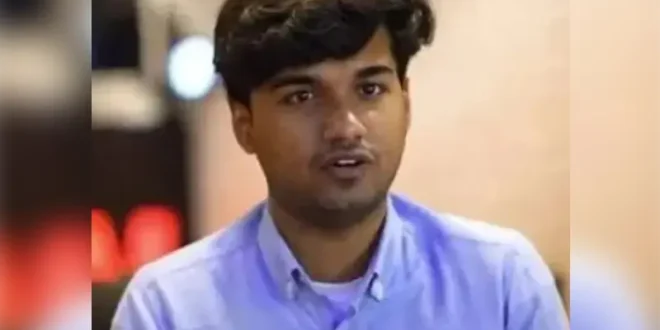
In a significant turn for a case that has gripped Karachi, a local court has issued a pivotal order allowing the exhumation of the body of Mir Raza Ali, an Institute of Business Administration (IBA) graduate whose untimely death last month sparked widespread concern. This decision comes as a direct response to an application filed by Ali’s father, Mir Hussain Ali Khan, amid escalating controversy surrounding the initial medico-legal report (MLR) and the post-mortem examination.
The court’s directive mandates the formation of a high-level medico-legal board, comprising senior forensic experts and pathologists, under the supervision of the Karachi Police Surgeon and Sindh Health Secretary. This board is tasked with conducting a fresh and comprehensive examination, including X-rays, DNA, forensic, and chemical tests, all aimed at definitively ascertaining the cause of Ali’s death. This move underscores a crucial step towards transparency and a meticulous pursuit of justice in the face of disputed findings.
Background: A Mysterious Death and Conflicting Narratives
The tragic saga began on July 28th when 25-year-old Mir Raza Ali, a budding entrepreneur and owner of the eatery Wafflix, went missing. His body was discovered just a day later in bushes near Shahi Qila Ground in Gulistan-i-Jauhar, bearing a gunshot wound to the chest. From the outset, two distinct narratives emerged, creating a chasm between the family’s fervent belief and the initial police line of inquiry.
Ali’s family remains steadfast in their conviction that he was kidnapped, tortured, and brutally murdered. Conversely, investigators initially leaned towards a theory of suicide, citing alleged financial difficulties faced by Ali and his reported mental state, along with evidence suggesting he used a ride-hailing service to reach the vicinity where his body was found. However, this preliminary stance soon faced rigorous challenge.
The case escalated dramatically with the public intervention of Karachi Police Surgeon Dr. Summaiya Syed. In a startling disclosure, she highlighted significant “loopholes” in the initial post-mortem findings. Dr. Syed pointed out discrepancies between the reported entry and exit wounds and their compatibility with photographic evidence. She noted the absence of an X-ray examination and, critically, the lack of testing for gunshot residue – a standard procedure in suspected suicide cases involving firearms. These expert observations severely undermined the credibility of the initial MLR and paved the way for the family’s legal counsel, Jibran Nasir, to push for the current exhumation order.
Impact on Pakistan: Public Trust, Forensic Standards, and Legal Precedent
The Mir Raza Ali case transcends the immediate tragedy, casting a significant shadow over several critical aspects of Pakistan’s governance and justice system:
- Erosion of Public Trust: The public questioning of an official medico-legal report by a high-ranking police surgeon, followed by a court-ordered re-examination, inevitably shakes public confidence in the integrity and reliability of initial investigations. Such controversies fuel suspicions about potential oversights, negligence, or even deliberate manipulation within the system.
- Scrutiny of Forensic Standards: This case highlights an urgent need for robust, standardized, and transparent forensic protocols across Pakistan. The issues raised – from the absence of X-rays to overlooked gunshot residue tests – point to potential systemic weaknesses in the quality and thoroughness of medico-legal examinations. It serves as a stark reminder that forensic science is a cornerstone of justice, requiring consistent application of best practices.
- Medico-Legal System Under Microscope: The public disagreement between different arms of the state (police investigators vs. police surgeon) is rare and places the entire medico-legal reporting framework under intense scrutiny. It prompts questions about accountability, inter-departmental coordination, and the independence of forensic experts.
- Role of Legal Activism and Media: The persistent advocacy by Ali’s family and their legal counsel, coupled with significant media attention, demonstrates the power of public pressure and legal activism in compelling authorities to revisit contested findings and ensure due process. It underscores the critical role of civil society in upholding justice.
- Setting a Legal Precedent: The court’s willingness to order an exhumation based on challenged initial reports could set a vital precedent for future cases where families dispute official findings. It offers a crucial pathway for seeking truth and justice, especially in a country where such procedures can be rare and often met with resistance.
Analysis: A Step Towards Transparency and Accountability
The court’s decision to permit the exhumation of Mir Raza Ali’s body is more than just a procedural step; it represents a profound commitment to the principle of justice and truth-seeking. In complex death investigations where initial conclusions are disputed, an independent and thorough re-examination by a specialized board is often the only credible path forward. This move acknowledges the serious questions raised about the first autopsy and provides an opportunity to dispel doubts, whether they relate to incompetence or potential foul play.
This development underscores the critical role of judicial oversight as a vital check and balance within the state machinery. When discrepancies emerge between different investigative arms, the judiciary acts as an impartial arbiter, ensuring that the process is not merely followed, but rigorously tested against the quest for truth. The push by the family and their lawyer highlights the inherent value of an adversarial legal system in unearthing facts that might otherwise remain buried.
Ultimately, the Mir Raza Ali case serves as a powerful testament to the ongoing challenges and aspirations within Pakistan’s justice system. It illuminates the urgent need for investment in modern forensic infrastructure, continuous training for medico-legal professionals, and a culture of unwavering adherence to scientific protocols. While the outcome of the re-exhumation remains to be seen, the order itself is a victory for transparency, holding a beacon of hope for countless families seeking definitive answers in the face of tragedy and doubt. It is a stark reminder that true justice often requires persistent effort, meticulous examination, and a refusal to accept convenient narratives when the facts are in question.
“`