Dost Pakistan Journeys Tours and safaris in the North & South Pakistsn
Related Articles



“`html
K2 Airways Cargo Plane Crash: Unpacking the Tragedy Off Ormara and Pakistan’s Aviation Safety
The tragic disappearance and subsequent discovery of the wreckage of a K2 Airways Boeing 737 cargo aircraft off the coast of Ormara has sent ripples of concern through Pakistan’s aviation sector. While search and rescue efforts transition into recovery and investigation, the incident highlights critical aspects of air safety, operational challenges, and national response capabilities.
The News: A Swift Discovery, A Lingering Mystery
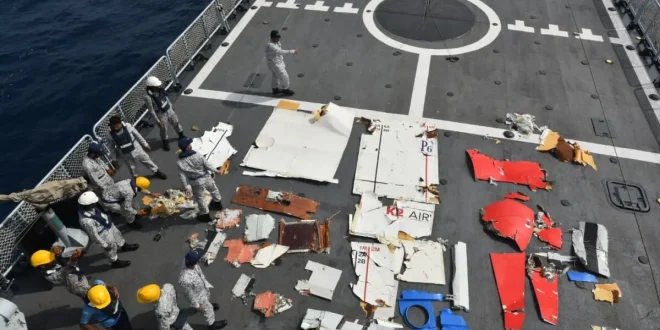
In a rapid and commendable response, the Pakistan Airports Authority (PAA) confirmed on Wednesday that the Pakistan Navy (PN) and Pakistan Maritime Security Agency (PMSA) successfully located and identified the wreckage of the missing K2 Airways cargo Boeing 737. The discovery, made approximately 53 nautical miles south of Ormara after a 12-hour intense search operation in the deep sea, provided a grim confirmation of the aircraft’s fate. Despite the swift location of debris, the search for the crew members remains ongoing, underscoring the human tragedy at the heart of this incident. The PAA had previously reported that the aircraft, en route from Sharjah to Karachi, experienced a reported navigation problem, followed by a rapid descent and a sudden change in heading, before radar contact and communication were abruptly lost.
Background: Context of the Incident
K2 Airways and Pakistan’s Air Cargo Sector
K2 Airways is a private Pakistani airline, established in May 2018. As a relatively new entrant into the aviation landscape, its operations, particularly in the vital air cargo sector, contribute to Pakistan’s trade and logistical infrastructure. Cargo airlines often operate on tighter margins and specific routes, making their operational integrity crucial for economic connectivity.
The Ill-Fated Aircraft: A Veteran Boeing 737
The aircraft involved, a Boeing 737-4M0(BDSF) registered as AP-BOI, carried a significant operational history. Originally delivered as a passenger aircraft to Aeroflot in 1999, it later served Garuda Indonesia before undergoing conversion into a freighter in 2012. Subsequent operators included TNT Airways and ASL Airlines before it joined K2 Airways in 2024. The history of the aircraft, particularly its age and conversion into a freighter, will undoubtedly be a key area of focus for investigators, as these factors can influence maintenance schedules, structural integrity assessments, and operational lifespan considerations.
A Sudden Disappearance
The last known communications from the aircraft painted a concerning picture: a pilot reporting navigation issues and requesting assistance, followed almost immediately by an observed rapid descent and sharp deviation from its intended path. This sequence of events suggests a critical and sudden failure that left little time for the crew to respond or for air traffic control to intervene, highlighting the inherent risks involved in commercial aviation, even with modern technology.
Impact on Pakistan: Safety, Economy, and Response
Aviation Safety Scrutiny
This incident inevitably places Pakistan’s Civil Aviation Authority (CAA) and its regulatory oversight under renewed scrutiny. While rare, commercial aircraft accidents, especially involving cargo planes, prompt questions about airworthiness standards, maintenance practices, and operational procedures, particularly for carriers utilizing older, converted aircraft. The confidence of both domestic and international partners in Pakistan’s air cargo capabilities hinges on the transparent and thorough investigation of such events.
Economic Implications for Air Cargo
The air cargo industry is a backbone of global trade, and incidents like this can disrupt supply chains and potentially impact confidence in specific operators or regions. For K2 Airways, the loss of an aircraft is a significant operational and financial blow. For Pakistan, maintaining a robust and safe air cargo network is vital for its export and import dynamics, making the implications extend beyond a single airline.
National Search and Rescue Prowess
One notable positive amidst the tragedy is the swift and coordinated response by Pakistan’s maritime agencies. The 12-hour search and rescue operation, involving multiple air and sea-borne assets from the Pakistan Navy and Pakistan Maritime Security Agency, demonstrates sophisticated capabilities in deep-sea search and recovery operations. This rapid deployment and successful location of the wreckage within a challenging marine environment are a testament to the nation’s readiness for maritime emergencies.
Analysis: The Path to Understanding
Initial Clues and the Need for Black Box Data
The reported “navigation problem,” “rapid descent,” and “sharp change in heading” are critical initial clues. They strongly suggest a severe and sudden in-flight emergency, potentially a catastrophic mechanical or structural failure. However, it is paramount to avoid premature conclusions. The definitive answers will lie within the aircraft’s flight data recorder (FDR) and cockpit voice recorder (CVR), commonly known as “black boxes.” Their recovery, especially from deep water, will be the most crucial step in understanding the precise sequence of events leading to the crash.
Potential Contributing Factors
While a full investigation is pending, several areas will likely be explored:
- Mechanical Failure: Given the reported navigation issue and abrupt loss of control, a critical system failure – such as in the hydraulics, engines, or flight control systems – is a strong possibility. These failures can manifest suddenly and severely.
- Structural Integrity: The age of the aircraft and its conversion from a passenger to a cargo configuration will prompt investigators to examine whether any structural fatigue or issues related to the conversion played a role. Cargo operations often involve different stress patterns compared to passenger flights.
- External Factors: While not explicitly mentioned in the initial reports, environmental factors like severe weather or sudden turbulence are always considered in aviation accident investigations.
- Human Factors: Pilot response and decision-making during an emergency are always part of an investigation, though the prompt reporting of a navigation issue suggests the crew was actively trying to manage a problem before contact was lost.
The Challenges of Deep-Sea Recovery and Investigation
Locating wreckage 53 nautical miles offshore, especially in potentially deep waters, is a significant undertaking. The recovery of the flight recorders and substantial parts of the wreckage is essential for a conclusive investigation. This process can be lengthy, complex, and require specialized deep-sea equipment. Pakistan’s Air Accident Investigation Board (AAIB) will lead this effort, likely with international collaboration given the global nature of aviation manufacturing and operations.
Lessons for Global Aviation Safety
Every aviation accident, regardless of its scale, serves as a stark reminder of the complexities inherent in air travel and the continuous need for vigilance. This incident will contribute to the global body of knowledge on aviation safety, potentially leading to insights regarding maintenance protocols for older converted freighters, emergency procedure enhancements, or improvements in air traffic control communication during critical incidents. For Pakistan, a transparent and thorough investigation will not only bring closure to the victims’ families but also reinforce its commitment to maintaining robust aviation safety standards in a rapidly evolving global industry.
“`