 Dost Pakistan Journeys Tours and safaris in the North & South Pakistsn
“`html
Navigating the Monsoon Surge: Pakistan’s Flood Challenge in Chenab and Ravi Tributaries
The News
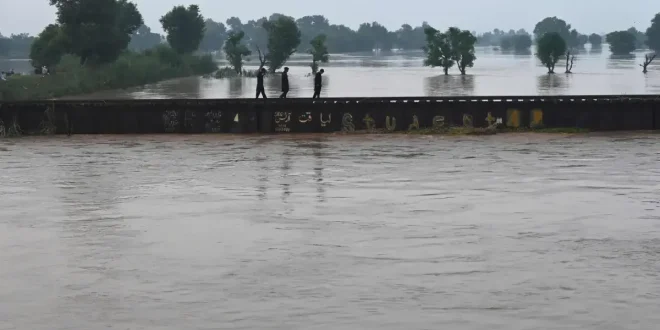
Pakistan’s Flood Forecasting Division (FFD) of the Meteorological Department has issued a critical warning: the storm-water nullahs (tributaries) linked to the Chenab and Ravi rivers could enter a high flood category between August 15 and 21. While the main stems of these rivers are anticipated to remain at low flood levels, the forecast points to a significant increase in flows within these smaller, often more volatile, waterways. This comes amidst widespread predictions of rain, wind, and thunderstorms, including isolated heavy falls, across the upper catchments of all major rivers – including Islamabad, Gilgit-Baltistan, Kashmir, upper Khyber Pakhtunkhwa, and upper Punjab.
The FFD also highlighted potential flash flooding in tributary streams of the Kabul River and hill torrents in the Dera Ghazi Khan division. This situation is further complicated by the status of Pakistan’s major reservoirs: Tarbela Dam has already reached its maximum conservation level, while Mangla Dam stands at 67 percent capacity, underscoring the delicate balance required in water management during peak monsoon inflows.
Background: Pakistan’s Annual Monsoon Battle
Pakistan experiences an annual monsoon season, typically from July to September, which brings life-sustaining rains but also poses a significant threat of devastating floods. The country’s intricate network of rivers, primarily the Indus River System and its tributaries (Jhelum, Chenab, Ravi, Sutlej), are fed by glacial melt and monsoon downpours originating in the Himalayas and other northern mountain ranges.
Storm-water nullahs, unlike the broader main rivers, are seasonal streams or smaller tributaries. They are particularly susceptible to rapid swelling and flash floods due to their narrower channels, steeper gradients, and localized heavy rainfall. This distinction is crucial, as a “low flood” in a major river can mask a much more dangerous “high flood” situation in its smaller, adjacent nullahs.
In recent years, the frequency and intensity of extreme weather events, including monsoon floods, have been exacerbated by climate change. Pakistan is consistently ranked among the most vulnerable countries to climate impacts, as evidenced by the catastrophic floods of 2010 and the unprecedented deluges of 2022 that submerged a third of the country, displaced millions, and caused billions in damages. The current forecast, therefore, must be viewed through the lens of a nation increasingly grappling with an altered and more aggressive climate cycle.
The Pakistan Meteorological Department (PMD) and its Flood Forecasting Division (FFD) play a vital role in monitoring hydrological conditions, collecting real-time data from rim-gauging stations, and issuing timely warnings. These alerts are critical for enabling disaster management authorities and local communities to prepare and respond effectively.
Impact on Pakistan: A Multi-faceted Challenge
The prospect of high floods, even in localized nullahs, carries severe implications for Pakistan:
- Agricultural Devastation: As an agrarian economy, Pakistan relies heavily on its rivers. Floods can destroy standing crops, submerge fertile lands, wash away livestock, and disrupt the livelihoods of millions of farmers, leading to food insecurity and economic setbacks.
- Infrastructure Damage: Roads, bridges, communication networks, and homes located near these nullahs are highly vulnerable. Repairing such damage places a significant burden on the national exchequer and can isolate affected communities for extended periods.
- Humanitarian Crisis: The immediate risk to human life, injury, and displacement is paramount. Floods often trigger public health crises due to contaminated water sources, leading to waterborne diseases and limited access to medical aid.
- Water Management Dilemmas: The situation highlights the complex challenges of managing Pakistan’s vital water resources. While dams like Tarbela and Mangla are essential for irrigation and power generation, their operational protocols during peak monsoon inflows require a delicate balance between conserving water for dry seasons and releasing it safely to prevent catastrophic downstream flooding. Tarbela already at its maximum level signifies reduced capacity to absorb further inflows.
- Socio-Economic Disruption: Beyond immediate damage, floods disrupt education, trade, and daily life, particularly in the most vulnerable rural and semi-urban areas.
- Environmental Impact: Floods can cause severe soil erosion, alter river courses, and damage ecosystems, impacting biodiversity and long-term environmental health.
Tarbela at maximum conservation level as Mangla 67pc full
This quote from the news underscores the critical state of reservoir management. When a major reservoir like Tarbela reaches its maximum level, any additional heavy rainfall upstream necessitates controlled releases, which inevitably contribute to downstream river flows, intensifying the flood risk in lower areas.
Analysis: Navigating a Shifting Hydrological Landscape
The FFD’s warning offers crucial insights into Pakistan’s ongoing struggle with monsoon variability and its hydrological consequences. Several key analytical points emerge:
- The “Nullah” Nuance: The distinction between “low flood” in major rivers and “high flood” in tributary nullahs is paramount. This emphasizes that flood risk is not uniformly distributed. Localized heavy rainfall can trigger intense, rapid-onset flash floods in smaller waterways, even when the larger river systems appear stable. This necessitates highly localized flood monitoring, early warning systems, and community-level preparedness, especially in areas adjacent to these smaller, often overlooked, streams.
- Reservoir Management Under Pressure: Tarbela Dam reaching its maximum conservation level (1550 feet) is a double-edged sword. While it signifies robust water storage for future irrigation and power generation, it also means the dam has limited additional capacity to absorb further heavy inflows. This increases the likelihood of controlled releases, which, when combined with natural run-off from heavy rainfall in upper catchments, can significantly contribute to downstream flows, including those entering the Chenab and Ravi nullahs. The 67% capacity of Mangla provides some buffer but highlights the overall tight management window during peak monsoon.
- Climate Change’s Fingerprint: The forecast of “widespread rain, wind, and thunderstorms, with isolated heavy falls” over upper catchments is a classic symptom of altered monsoon patterns. Climate change is increasing the intensity and unpredictability of rainfall events, leading to more concentrated downpours that overwhelm natural drainage and infrastructure. Pakistan’s long-term strategy must prioritize climate adaptation, including resilient infrastructure, improved drainage, and nature-based solutions.
- Preparedness and Resilience Gap: While FFD’s warnings are timely, their effectiveness hinges on the preparedness and resilience of local communities and disaster management authorities. Investing in robust flood protection infrastructure (embankments, dykes), improving urban and rural drainage systems, conducting regular drills, and raising public awareness are critical. The warning for Dera Ghazi Khan’s hill torrents is particularly concerning, as these areas are often remote and vulnerable, requiring targeted interventions.
- The Need for Integrated Water Management: Pakistan’s water challenges are multi-faceted, encompassing both scarcity and excess. The ongoing flood warnings underscore the urgent need for an integrated water management strategy that considers not just storage and distribution but also flood control, early warning systems, and climate resilience across the entire river basin. Advanced hydrological modeling and cross-provincial coordination are vital for optimizing water releases and mitigating risks.
In conclusion, the current flood warning is a stark reminder of Pakistan’s enduring vulnerability to monsoon hazards. It calls for heightened vigilance, immediate precautionary measures, and a renewed commitment to long-term strategies that build climate resilience, enhance water governance, and protect the lives and livelihoods of its citizens from the escalating impacts of a changing climate.
“`
