 Dost Pakistan Journeys Tours and safaris in the North & South Pakistsn
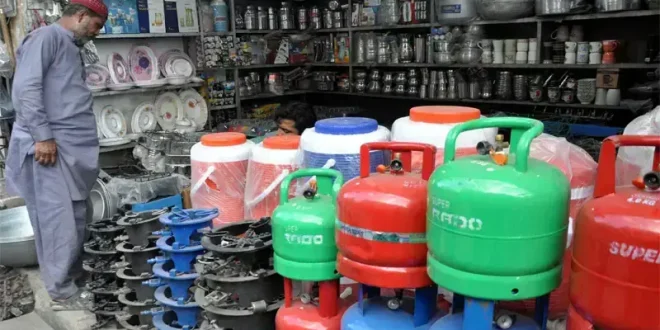
Balochistan’s Gas Crisis: A Deeper Look into Persistent Pipeline Disruptions and Security Challenges
Pakistan’s energy landscape is frequently tested by security challenges, and the recent disruption to Balochistan’s gas supply serves as a stark reminder. For days, vital gas pipelines have remained unrepaired after a targeted attack, plunging parts of the province, including its capital Quetta, into an energy crisis. This incident highlights not just an infrastructure vulnerability but also the complex interplay of security, governance, and development in one of Pakistan’s most resource-rich yet volatile regions.
The News: A Critical Infrastructure Under Attack
The recent incident saw an 18-inch main gas pipeline, crucial for supplying several districts of Balochistan, including significant portions of Quetta, severely damaged by explosives. Unidentified perpetrators targeted the pipeline in the Bolan riverbed area of Kachhi district. What amplifies the crisis is not merely the initial blast but the ensuing delay in repair work. For more than three days, repair teams from the Sui Southern Gas Company (SSGC) have been poised for deployment but are stalled, awaiting essential security clearance to enter the volatile zone. This protracted wait means thousands of consumers in areas like Kolpur, Mach, Mastung, Kalat, Pishin, and Ziarat continue to endure disrupted or completely suspended gas supplies, illustrating a severe breakdown in critical infrastructure management under duress.
Background: Balochistan’s Enduring Struggle and Resource Wealth
Balochistan, Pakistan’s largest province by area, is a strategic hub blessed with significant natural resources, most notably the country’s oldest and largest gas reserves in Sui. Discovered in 1952, the Sui gas field became the cornerstone of Pakistan’s energy supply, fueling industries and homes across the nation for decades. However, this resource abundance has not translated into widespread prosperity for the province. Instead, Balochistan has grappled with a prolonged insurgency, marked by ethno-nationalist and separatist movements alongside militant activities.
Attacks on vital infrastructure, particularly gas pipelines, are a recurring feature of this conflict. These are not random acts; they are often deliberate strategies employed by various groups to exert pressure, disrupt economic activity, and highlight their grievances against the state. The vulnerability of these pipelines, often running through rugged and remote terrain, makes them relatively easy targets, allowing perpetrators to inflict maximum disruption with minimal direct confrontation. Each explosion echoes a history of unmet demands, unaddressed grievances, and a persistent struggle for control and resource allocation in the province.
Impact on Pakistan: Economic Strain, Social Hardship, and Security Concerns
The pipeline attack in Bolan carries far-reaching consequences for Pakistan. Economically, the immediate impact includes the substantial cost of repairing the damaged 18-inch pipeline and the loss of revenue for SSGC. More broadly, prolonged gas disruptions can cripple local businesses and small industries in affected Balochistan districts that rely on gas for their operations, leading to economic stagnation and job losses. It also raises concerns about national energy security, as any significant disruption in a key supply chain component can ripple through the country’s energy grid.
Socially, the absence of gas translates into immense hardship for ordinary citizens. Gas is essential for cooking, heating, and other daily necessities, even outside of peak winter demand, impacting daily life significantly. Public frustration mounts, eroding trust in the government’s ability to ensure basic services and maintain law and order.
From a security perspective, the incident underscores the persistent vulnerability of Pakistan’s critical infrastructure to internal threats. It places renewed pressure on security forces to enhance protective measures for pipelines and ensure rapid response capabilities. Politically, such incidents exacerbate existing tensions, challenging both provincial and federal governments to address underlying issues of instability while simultaneously ensuring the safety and well-being of their populace. The recurring nature of these attacks fuels the narrative of a deeply entrenched conflict, hindering development and discouraging investment in Balochistan.
Analysis: The Security Clearance Bottleneck and the Cost of Conflict
The core issue highlighted by the three-day delay in repair work due to “security clearance” is a stark illustration of the security quagmire in Balochistan. This is not merely an administrative hurdle; it signifies that the area remains too dangerous for unarmed repair teams, even days after the incident. This bottleneck reveals a critical dilemma: the urgent need to restore essential services versus the paramount concern for the safety of personnel. Such prolonged delays, however, inadvertently amplify the impact of the attack, demonstrating the perpetrators’ ability to not only damage infrastructure but also paralyze remedial action.
From an insurgency perspective, targeting critical energy infrastructure like gas pipelines is a highly effective tactic. It maximizes disruption, generates public discontent, and projects an image of weakness or lack of control on the part of state authorities. These actions serve as a form of economic warfare, aiming to cripple development and create leverage in political negotiations.
The persistent vulnerability of the Sui gas network, originating from Balochistan, represents a significant chink in Pakistan’s energy armor. While enhanced physical security measures – such as drone surveillance, ground patrols, and intelligence networks – are vital for protecting these assets, a sustainable solution must also delve into the root causes of the insurgency. This involves addressing socio-economic disparities, ensuring equitable resource distribution, fostering political dialogue, and improving governance in Balochistan. Without a holistic approach that combines robust security with genuine efforts to resolve political grievances and uplift the local population, incidents like the Bolan pipeline attack are likely to remain a recurring and costly challenge for Pakistan’s energy security and national stability.
