Dost Pakistan Journeys Tours and safaris in the North & South Pakistsn
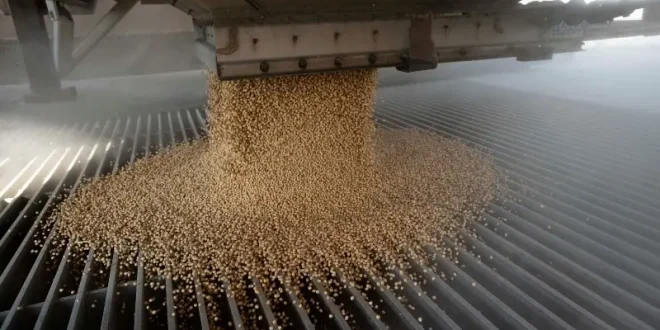
Strategic Grains: Unpacking China’s Selective Tariff Cuts on US Farm Goods
The News: A Calculated Concession in Agricultural Trade
China has recently announced significant tariff reductions across a broad spectrum of US agricultural goods, including vital commodities like corn, wheat, various meats, dairy products, sorghum, and a range of vegetable oils and meals such as soya oil and soya meal. This strategic move forms part of a larger $60 billion package of reciprocal tariff cuts, a development that emerged following the high-level summit between Chinese leader Xi Jinping and US President Donald Trump in Washington.
However, the list of exempted products notably excludes soybeans, a cornerstone of US agricultural exports to China. While over 90% of the newly covered items will revert to most-favoured-nation (MFN) tariff rates, US soybeans will continue to face an additional 10% tariff. This exclusion comes despite significant purchases of US soybeans by Chinese state-owned enterprises like Sinograin and COFCO, which are striving to meet reported commitments of approximately 12 million metric tons, albeit short of the 25 million tons annually through 2028 that the White House has previously stated.
The value of trade in these newly tariff-exempted products stood at around $17 billion in 2024, aligning closely with China’s reported purchase commitments when soybeans are excluded. While the specific date for these tariff cuts to take effect has not yet been disclosed, market watchers are keenly observing the implications. Analysts suggest that the continued tariff on soybeans, a politically potent commodity, offers Beijing significant leverage in its ongoing dealings with Washington, especially with US midterm elections on the horizon.
Background: The Enduring Agricultural Front in the US-China Trade War
The current tariff adjustments are the latest chapter in the protracted economic conflict that began in 2018. The US-China trade war saw both nations impose punitive tariffs on hundreds of billions of dollars’ worth of goods, fundamentally altering global supply chains and trade dynamics. At its heart, the dispute has encompassed disagreements over intellectual property, technology transfer, market access, and the persistent trade deficit.
Agriculture quickly became a critical and highly sensitive battleground. For American farmers, particularly soybean growers in key electoral states, China represented the largest export market. The imposition of tariffs hit this sector hard, making it a powerful political pressure point for Beijing. Conversely, for China, soybeans are an indispensable commodity. They form the primary component of animal feed for its vast livestock industry, making soybean imports crucial for national food security and the burgeoning demand for protein among its population. Beijing’s reliance on foreign soybeans grants agricultural trade immense strategic weight in its geopolitical playbook.
Previous efforts, such as the “Phase One” trade deal, attempted to de-escalate tensions by securing commitments from China to increase purchases of US agricultural goods. However, the underlying structural issues and strategic competition between the two economic superpowers have largely persisted, leading to a landscape characterized by strategic concessions and targeted pressures, rather than a full return to pre-trade war normalcy.
Impact on Pakistan: Ripples Across Global Markets and Policy Lessons
While Pakistan is not a direct player in the immediate US-China agricultural trade negotiations concerning these specific tariff cuts, the developments are not without indirect implications for its economy and food security. As a nation heavily reliant on imported edible oils and sensitive to global commodity price fluctuations, Pakistan must observe these shifts carefully.
- Global Commodity Price Dynamics: The continued 10% tariff on US soybeans means they remain less competitive for Chinese private crushers compared to Brazilian beans. This situation can influence global soybean prices, as reflected by the initial downward trend on the Chicago Board of Trade (CBOT). As Pakistan imports significant quantities of edible oils, shifts in global soybean and oilseed prices can directly affect domestic food inflation and import bills. Any sustained pressure on global prices, while potentially beneficial for Pakistani importers, also highlights the volatility driven by geopolitical factors.
- Precedent for Trade Negotiations: Pakistan, actively pursuing and engaging in various bilateral and multilateral trade agreements (such as CPEC with China or potential new deals with the US), closely observes the tactics employed by major economic powers. Beijing’s calibrated use of tariffs and selective exemptions offers valuable insights into modern trade negotiation strategies, emphasizing how economic tools are wielded for political leverage.
- Food Security and Diversification Lessons: The entire soybean saga underscores the immense strategic importance of agricultural commodities in international relations. For a food-importing nation like Pakistan, the vulnerability of relying heavily on specific sources or being exposed to geopolitical disruptions in supply chains is a critical lesson. It reinforces the need for diversified sourcing strategies, robust domestic agricultural policies, and resilience in food supply chains to mitigate external shocks.
- Indirect Trade Flow Shifts: While direct displacement of Pakistani exports is unlikely, any significant redirection of agricultural trade flows between the US and China could subtly alter demand-supply dynamics in regional and global markets, potentially creating unforeseen challenges or niche opportunities for other players.
Analysis: Beijing’s Strategic Chess Move and the Future of Trade
China’s decision to selectively cut tariffs on US agricultural goods while conspicuously maintaining the levy on soybeans is a sophisticated move, indicative of a strategic balancing act rather than a full capitulation to US demands. It underscores Beijing’s intention to achieve multiple objectives simultaneously:
1. Political Leverage and Domestic Signaling:
The exclusion of soybeans is a deliberate political maneuver. Soybeans are a highly symbolic and economically crucial export for American farmers, particularly those in politically sensitive states. By keeping the tariff in place, Beijing retains significant economic leverage over Washington. This allows China to exert continued pressure on a key US demographic, potentially influencing domestic political narratives and future policy decisions, especially in the run-up to US midterm elections, as noted by analysts like Feng Chucheng.
2. Economic Control and Supply Chain Management:
Economically, the persistent 10% tariff renders US soybeans less competitive for private Chinese crushers, many of whom are already grappling with negative margins. This effectively steers a significant portion of US soybean imports towards state-run enterprises like Sinograin and COFCO. This grants Beijing centralized control over a vital commodity, enabling it to dictate purchase volumes and timing based on strategic imperatives—such as meeting bilateral commitments or managing domestic supply—rather than purely market-driven economics. It also subtly favors Brazilian soybeans, aiding China’s long-term goal of diversifying its supply sources and reducing reliance on any single supplier.
3. De-escalation Without Complete Concession:
The $60 billion package of reciprocal tariff cuts serves to fulfill specific commitments made during high-level summits, signaling a willingness to de-escalate trade tensions and address some US grievances. This partial détente can help stabilize bilateral relations, potentially easing inflationary pressures and supply chain bottlenecks for certain goods within China. However, by holding firm on soybeans, China demonstrates that it is not yielding entirely and will continue to deploy economic tools to advance its national interests and maintain strategic bargaining chips.
4. Reinforcing a Transactional and Geopolitical Relationship:
This selective approach reinforces the transactional nature of the current US-China relationship. Rather than a move towards comprehensive trade peace, it suggests a continued pattern of calibrated responses, where economic policy is deeply intertwined with broader geopolitical strategy. Both nations are likely to continue using trade as a means of pressure and negotiation, often prioritizing strategic objectives over purely free-market principles.
In essence, China’s recent tariff announcement is more than just an economic adjustment; it is a calculated geopolitical move. By carefully distinguishing between agricultural products destined for tariff relief and those like soybeans, Beijing is sending a clear message: it is prepared to engage in de-escalation, but it will not readily relinquish its strategic economic tools in the ongoing competition for global influence. The humble soybean, therefore, remains a potent symbol in this intricate global chess match.