Dost Pakistan Journeys Tours and safaris in the North & South Pakistsn
Beyond the Downpour: Analyzing Rawalpindi and Islamabad’s Monsoon Preparedness Amidst Climate Change
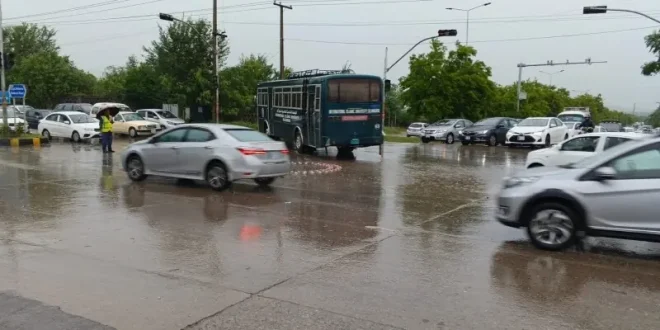
Heavy rainfall recently lashed Pakistan’s twin cities of Rawalpindi and Islamabad, triggering high alerts from civic departments and prompting swift drainage operations. While this specific event saw successful management of water levels in key areas like Nullah Lai and minimal immediate disruption, it underscores Pakistan’s ongoing struggle with increasingly intense monsoon seasons and the critical need for resilient urban infrastructure in the face of escalating climate challenges.
The Immediate Response: A Test of Preparedness
A recent spell of heavy rain blanketed Islamabad and Rawalpindi, bringing significant precipitation across various localities. Areas like Saidpur, Golra, Pirwadhai, Gawalmandi, H-8, I-12, and Shamsabad recorded rainfall amounts ranging from 22mm to 33mm. This downpour immediately activated emergency protocols, with Rawalpindi’s civic departments, including the Water and Sanitation Agency (Wasa), swiftly deploying staff and heavy machinery to critical low-lying areas. Infrastructure points notorious for water accumulation, such as the Committee Chowk Underpass, Murree Road, and Liaquat Bagh, were prioritized for drainage operations.
Crucially, the Pakistan Meteorological Department (PMD) issued timely advisories, specifically warning residents to maintain distance from Nullah Lai, Rawalpindi’s historically flood-prone seasonal stream. The Rawalpindi Commissioner assured continuous monitoring of the nullah, reporting water levels at 5.5 feet at Katarian and 2 feet at Gawalmandi – levels currently deemed normal and manageable. Despite the heavy rain, early reports indicated a relatively smooth traffic flow, thanks to the Islamabad Traffic Police’s active management. However, the severe weather did necessitate the diversion of two international flights to alternative airports, highlighting the direct and immediate impact on air travel.
Pakistan’s Monsoon Reality: A Confluence of Climate and Urban Challenges
To fully grasp the significance of these recurrent rain events, it is essential to place them within Pakistan’s broader environmental and urban landscape. The annual monsoon season, typically running from July to September, is a dual-edged sword. It is a vital source of water for Pakistan’s agrarian economy, replenishing reservoirs and irrigating crops. Yet, it also historically brings challenges, particularly in densely populated urban centers ill-equipped to handle the sudden deluge.
The Specter of Nullah Lai and Urban Vulnerability
Nullah Lai, a seasonal stream that meanders through the heart of Rawalpindi, serves as a stark reminder of the twin cities’ vulnerability to flash floods. Its notoriety stems from the catastrophic 2001 flood, which claimed dozens of lives and caused widespread destruction, etching itself into the collective memory of the region. Despite subsequent flood mitigation projects and continuous monitoring, the threat of Nullah Lai overflowing persists, making its water levels a critical barometer for flood preparedness in the region.
Beyond Nullah Lai, rapid and often unplanned urbanization in both Rawalpindi and Islamabad exacerbates the problem. Rawalpindi, with its older, organically grown infrastructure, struggles with inadequate and aging drainage systems that are frequently overwhelmed by heavy rainfall. Islamabad, while initially better planned, has also experienced significant urban sprawl in recent decades, placing unforeseen stress on its existing infrastructure. Encroachment on natural waterways, inefficient waste management leading to clogged drains, and insufficient investment in modern stormwater infrastructure turn heavy rain into a recipe for urban flooding across various localities.
The Shadow of Climate Change and National Impact
Underpinning these local vulnerabilities is the undeniable reality of global climate change. Pakistan is consistently ranked among the countries most susceptible to its impacts, facing an increase in the frequency and intensity of extreme weather events, including more erratic and concentrated monsoon patterns. The catastrophic floods of 2022, which submerged a third of the country and affected millions, served as a grim testament to this escalating vulnerability. These extreme events not only cause immediate devastation but also weaken the long-term resilience of infrastructure and communities, making subsequent monsoon seasons increasingly perilous.
The National Disaster Management Authority’s (NDMA) sobering report on rain-related incidents between June 26 and September 28 this year underscores the persistent, nationwide impact. With 751 casualties, including 199 deaths (80 in Khyber Pakhtunkhwa, 70 in Punjab, 19 in Sindh, 7 in AJK, and 2 in Islamabad), and extensive property damage (623 fully damaged, 1,216 partially damaged), it highlights that while the twin cities may manage individual rain spells, the broader national challenge of disaster risk reduction remains immense and ongoing.
Analysis: A Step Towards Proactive Resilience, But Long-Term Vision is Key
The recent response in Rawalpindi and Islamabad demonstrates a discernible shift towards more proactive disaster management. The rapid deployment of resources, constant monitoring of Nullah Lai, and timely public advisories suggest improved coordination and a heightened state of alert among civic bodies. This proactive stance is a welcome departure from purely reactive measures often witnessed in the past, potentially averting widespread chaos and significant damage during this specific event.
However, this event also highlights the perpetual tightrope walk authorities must perform during monsoon seasons. While the water levels in Nullah Lai remained “normal” this time, the constant vigil required signals the inherent and enduring risk. The flight diversions, though a necessary safety measure, also illustrate the disruptive power of even a single heavy downpour on daily life, essential services, and economic activity.
The NDMA’s comprehensive statistics on national rain-related casualties and damages serve as a critical reminder that even exemplary local responses must be part of a larger, integrated national strategy. While immediate preparedness is crucial, it is merely a band-aid without sustained, strategic investment in long-term solutions.
Building Sustainable Resilience for the Future
Moving forward, several key areas demand sustained and coordinated attention to transform Pakistan’s approach from crisis management to genuine resilience:
- Modernizing Infrastructure: Long-term investment in upgrading and expanding urban drainage systems is paramount. This includes regular desilting of existing drains, constructing new storm sewers with adequate capacity, and ensuring proper waste management to prevent blockages, which are a common cause of urban flooding.
- Climate-Resilient Urban Planning: Future urban development must fundamentally integrate climate change considerations. This means enforcing stricter building codes, promoting flood-resistant designs, strictly protecting natural drainage paths, and discouraging construction in identified high-risk flood zones.
- Enhanced Early Warning Systems: While PMD advisories are crucial, integrating advanced hydrological modeling with real-time data from Nullah Lai and other vulnerable points can provide more precise, localized, and actionable warnings, allowing for better pre-emptive measures.
- Community Engagement and Education: Empowering citizens with comprehensive knowledge about flood risks, clear emergency procedures, and easily accessible helpline information is vital. Public cooperation with advisories can significantly enhance the effectiveness of disaster response.
- Strengthened Inter-Agency Coordination: Continued and strengthened collaboration between municipal bodies, national and provincial disaster management authorities, police, health departments, and local communities is essential for a cohesive, swift, and effective response during emergencies.
The recent heavy rain in Rawalpindi and Islamabad, while managed relatively well on this occasion, serves as a timely reminder. It underscores that while immediate preparedness is improving, the long-term battle against urban flooding and the broader impacts of climate change requires unwavering political will, strategic financial investment, and a holistic, integrated approach to building true resilience across all of Pakistan.