 Dost Pakistan Journeys Tours and safaris in the North & South Pakistsn
Related Articles

“`html
Navigating Pakistan’s Syringe Ban: Balancing Public Health with Paediatric Care
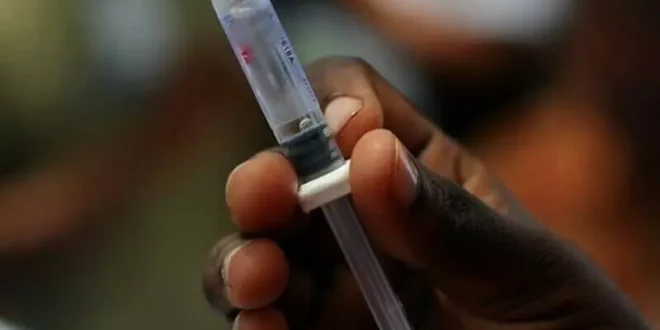
Pakistan’s healthcare landscape is currently grappling with a critical dilemma: how to effectively curb the alarming rise in paediatric HIV cases without inadvertently compromising essential medical services for its most vulnerable population – infants and children. A recent directive from the Drug Regulatory Authority of Pakistan (Drap) to ban conventional disposable syringes, while well-intentioned, has ignited a vital debate, particularly concerning the indispensable role of 10cc syringes in neonatal and paediatric care.
The News: A Call for Exemption Amidst Regulatory Change
The Pakistan Paediatric Association (PPA) has formally urged Drap to grant an immediate exemption or targeted exclusion for 10cc conventional syringes from its impending ban. This plea comes as Drap has mandated a complete ban on conventional 1cc (non-insulin) disposable syringes from December 31, 2026, and a ban on the retail sale of conventional 10cc disposable syringes from January 1, 2027. The PPA, through its representative Dr. Muhammad Khalid Shafi, emphasizes that while the objective of eliminating syringe reuse is commendable, the blanket prohibition on 10cc syringes poses severe, unintended risks to life-saving interventions in paediatric and neonatal wards across the country. They highlight the critical, non-negotiable functions of these syringes in accurate medication administration, enteral feeding, and delivering oral solutions to infants.
Background: The Shadow of Unsafe Practices and Public Health Directives
The regulatory measures by Drap stem from a grave public health crisis: a significant surge in paediatric HIV cases, primarily linked to unsafe medical practices. Reports and investigations have repeatedly pointed towards the egregious reuse of contaminated syringes as a major vector for transmission of blood-borne pathogens, including HIV and Hepatitis. This alarming trend has placed Pakistan in the spotlight, necessitating urgent and stringent interventions from its primary drug regulatory body.
Drap, as the Drug Regulatory Authority of Pakistan, is tasked with ensuring the quality, safety, and efficacy of medical products available in the country. Its mandate extends to formulating and enforcing policies that safeguard public health. The ban on conventional syringes is a direct response to this crisis, aiming to eliminate a major pathway for infection by transitioning the healthcare system towards safer alternatives like auto-disable (AD) syringes or safety syringes, which are designed for single use. The phased implementation, stretching to late 2026 and early 2027, theoretically allows time for healthcare providers to adapt and for the supply chain of alternative syringes to stabilize.
Impact on Pakistan: A Double-Edged Sword for Healthcare
Drap’s initiative is undoubtedly driven by a critical need to protect the populace from preventable infections. If successful, the widespread adoption of single-use, auto-disable syringes could dramatically reduce the incidence of HIV and Hepatitis transmissions associated with unsafe injections, thereby significantly bolstering public health outcomes in Pakistan. This could bring down healthcare costs associated with treating these chronic diseases and restore public trust in medical facilities.
However, the PPA’s intervention underscores the potential for severe unintended consequences, particularly in the delicate realm of paediatric and neonatal care. Dr. Shafi articulates several critical clinical factors that make the 10cc syringe irreplaceable in current practice:
- Precise Medication Administration: 10cc syringes are essential for accurate reconstitution, dilution, and precise volumetric administration of vital intravenous paediatric medications, where even slight inaccuracies can have profound effects on fragile infant physiology.
- Enteral Feeding: In Neonatal Intensive Care Units (NICUs) and paediatric wards, these syringes are standard tools for enteral feeding via nasogastric and orogastric tubes for premature and critically ill infants who cannot feed orally.
- Oral Liquid Formulations: Paediatricians routinely use needleless 10cc syringes to accurately measure and safely deliver oral liquid formulations and rehydration solutions to infants unable to swallow standard dosage forms.
A “blanket prohibition,” as described by the PPA, risks creating an immediate clinical bottleneck. Without readily available and functionally equivalent alternatives, healthcare professionals might struggle to perform daily, life-saving interventions. This could lead to compromised patient outcomes, increased morbidity, and potentially higher mortality rates among Pakistan’s most vulnerable patient group, placing immense strain on an already stretched healthcare system.
Analysis: The Imperative for Evidence-Based and Targeted Policy
The conflict presented by Drap’s ban and the PPA’s appeal highlights a fundamental challenge in public health policy: balancing broad-stroke regulations aimed at preventing disease with the nuanced, on-the-ground realities of clinical practice. While the intent to curb HIV transmission is paramount, the effectiveness and ethical implications of such policies must be rigorously evaluated.
The PPA’s argument for a targeted exclusion or exemption for 10cc conventional syringes is compelling. It suggests that not all syringes pose the same risk profile, nor do they have interchangeable clinical functions. A 1cc conventional syringe is often directly used for injections, making its reuse a clear and immediate danger for blood-borne pathogen transmission. A 10cc syringe, however, as highlighted by the PPA, is frequently utilized for preparatory steps (dilution, reconstitution) or non-injectable routes (enteral feeding, oral administration). The direct link to injection-based reuse might be less pronounced, though risks associated with general unsanitary practices remain.
The call for an advisory panel comprising clinical experts, paediatric infectious disease specialists, and PPA representatives is crucial. Such a body could provide the necessary clinical perspective to inform Drap’s policy, ensuring that infection control measures are not only effective in curbing the “true drivers of syringe reuse” but also align with the practical demands of medical care. This collaborative approach could lead to more nuanced guidelines that target specific risk behaviors while preserving essential medical tools.
Moreover, the success of such a regulatory shift hinges on the availability and integration of safe, standardized alternatives. Are auto-disable or safety syringes specifically designed for the precise measurement, dilution, and enteral feeding applications of 10cc conventional syringes readily available, affordable, and fully integrated into the Pakistani healthcare supply chain by 2027? Without this, the ban could create a vacuum that severely impacts patient care. A comprehensive strategy would involve not just banning, but also facilitating the procurement, distribution, and training for alternatives, alongside robust waste management systems to prevent any form of syringe reuse.
In conclusion, while Drap’s commitment to patient safety and eradicating syringe reuse is laudable, the current ban on conventional 10cc syringes risks creating a crisis within a crisis for Pakistan’s most vulnerable patients. A truly effective and sustainable solution will require a more evidence-based, targeted approach that considers the specific clinical realities of paediatric and neonatal care. Collaborative dialogue between regulators and clinical experts is essential to craft policies that protect public health without inadvertently jeopardizing the very lives they aim to save.
“`
