 Dost Pakistan Journeys Tours and safaris in the North & South Pakistsn
Related Articles

Gwadar Port’s Rising Prominence: A Beacon of Regional Trade Amidst Tensions
Published: July 19th, 2026
Gwadar Port, Pakistan’s strategically vital deep-sea port, is increasingly cementing its position as a reliable commercial gateway in a volatile maritime region. Recent commercial activities, particularly a significant transhipment operation, underscore a growing international trust in its operational capabilities and security, even as broader regional maritime tensions persist.
The News
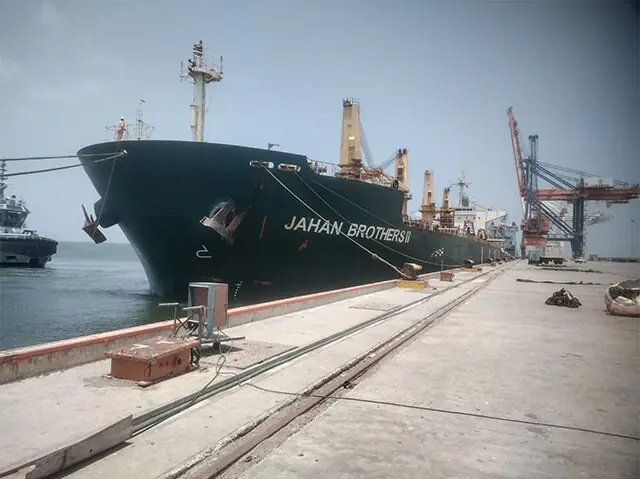
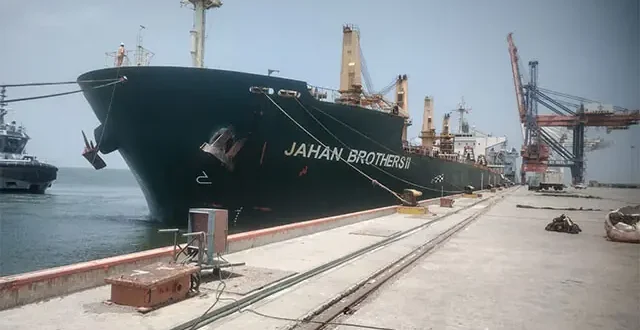
In a significant development reported on July 19th, 2026, the Bangladesh-flagged vessel M/V Jahan Brothers II successfully berthed at Gwadar Port. The ship, arriving from Singapore, carried over 53,000 tonnes of prime steel billets. This cargo is not destined for Pakistan, but rather for Al Hamriyah Port in the United Arab Emirates, with Gwadar serving as a crucial transhipment point. The steel will be temporarily stored at Gwadar before being reloaded onto another vessel for its onward journey.
This operation, described by Gwadar Port Authority Chairman Noor-ul-Haq Baloch, highlights Gwadar’s emergence as a safe, reliable, and efficient regional trade hub. It further reinforces its importance as an alternative trade route despite prevailing maritime challenges in the broader region, signaling growing international confidence in the port’s capacity and security.
Background: Gwadar’s Strategic Ascent
Gwadar Port’s journey to becoming a prominent maritime asset is deeply intertwined with Pakistan’s long-term economic vision and the China-Pakistan Economic Corridor (CPEC). Located on the Arabian Sea coastline in Balochistan, Gwadar possesses a natural deep-water harbour, making it ideal for handling large cargo vessels. Its geographical position is immensely strategic: it sits near the Strait of Hormuz, a critical choke point for global oil supplies, and offers the shortest route to the Arabian Sea for landlocked Central Asian republics and western China.
Under the ambitious framework of CPEC, a flagship project of China’s Belt and Road Initiative (BRI), Gwadar has seen substantial infrastructure development, funded primarily by Chinese investment. This development aims to transform the once-sleepy fishing town into a bustling commercial and logistics hub, connecting Western China and Central Asia to global markets. The port’s primary objective extends beyond facilitating Pakistan-China trade; it aspires to serve as a regional transhipment and transit hub, offering efficient logistics solutions to neighboring countries and beyond.
The concept of transhipment is pivotal here. It involves offloading cargo from one vessel and loading it onto another for onward shipment, often to optimize shipping routes, consolidate cargo, or access ports with limited direct connectivity. For Gwadar, attracting such operations is crucial for generating revenue, creating jobs, and solidifying its role in the global supply chain, especially against the backdrop of recent disruptions to traditional maritime routes due to geopolitical events and security concerns in areas like the Red Sea.
Impact on Pakistan: Economic Lifeline and Strategic Leverage
The consistent commercial activity at Gwadar Port, exemplified by the recent transhipment operation, holds multifaceted significance for Pakistan:
- Economic Growth and Revenue Generation: Each vessel and cargo handled at Gwadar contributes directly to Pakistan’s economy through port charges, warehousing fees, and associated logistics services. As operations scale up, this translates into substantial revenue streams, foreign exchange earnings, and job creation in various sectors, from port operations to transportation and hospitality, boosting Pakistan’s maritime economy.
- Enhanced Regional Connectivity: Gwadar’s ability to facilitate trade between diverse origins (like Bangladesh) and destinations (like the UAE) positions Pakistan as a vital regional transit and logistics nexus. This strengthens Pakistan’s diplomatic and economic ties with neighboring countries and reinforces its commitment to regional connectivity initiatives, aligning with the broader CPEC objectives.
- Validation of CPEC Investment: The successful and sustained operations at Gwadar provide tangible evidence of CPEC’s viability and success. It showcases the practical benefits of the massive infrastructure investments made by China and Pakistan, countering narratives of slow progress or white elephant projects. This success can attract further foreign direct investment into related industrial zones and logistics facilities.
- Boost to Maritime Security and Confidence: Operating seamlessly amidst regional maritime tensions sends a strong message of security and reliability. It demonstrates Pakistan’s capacity to safeguard its vital trade routes and maintain operational efficiency, thereby bolstering international confidence in Gwadar as a secure alternative port of call, particularly appealing to shipping lines seeking stability.
- Diversification of Trade Routes: For global shipping and regional trade, Gwadar offers a viable alternative to more congested or potentially riskier traditional routes. This diversification can enhance supply chain resilience for businesses and nations alike, offering flexibility and potentially reducing transit times and costs for certain corridors.
- Geopolitical Importance: A thriving Gwadar Port enhances Pakistan’s strategic leverage in regional and global geopolitics. It reinforces Pakistan’s role as a critical partner in China’s BRI and strengthens its position as an important player in the broader Indo-Pacific trade landscape.
Analysis: Gwadar’s Future as a Resilient Trade Corridor
The recent transhipment operation at Gwadar Port is more than just a routine commercial transaction; it is a powerful affirmation of the port’s burgeoning role and a testament to its strategic resilience. In an era marked by increasing geopolitical flux and disruptions to global supply chains, Gwadar’s consistent functionality emerges as a significant advantage.
The fact that a Bangladeshi vessel, originating from Singapore and destined for the UAE, chose Gwadar as a transhipment point underscores its growing appeal beyond direct China-Pakistan trade. This regional “cross-trade” activity suggests that Gwadar is being recognized for its intrinsic logistical benefits – its deep-water capabilities, efficient handling, and perceived security – rather than solely as a CPEC-centric project. This diversification of users and routes is crucial for its long-term sustainability and profitability.
The Gwadar Port Authority’s assertion that the port is establishing itself as a “safe, reliable and efficient regional trade hub” resonates strongly in the current global climate. With ongoing security concerns in vital shipping lanes, alternative routes that offer stability and efficiency become premium assets. Gwadar, strategically located outside some of the most sensitive maritime flashpoints, can increasingly serve this role, attracting shipping companies looking to mitigate risks and streamline operations.
However, Gwadar’s journey is not without its challenges. Continued investment in its hinterland connectivity, including road and rail networks extending into Central Asia and Western China, is paramount to fully unlock its potential as a true regional economic corridor. Furthermore, developing the Gwadar Free Zone and attracting manufacturing and processing industries will be essential to transform it from merely a transit point into a comprehensive economic hub. Competition from established regional ports (like Dubai’s Jebel Ali or Iran’s Chabahar), coupled with the need for enhanced security measures and socio-economic development in Balochistan, remains critical areas for sustained focus.
Ultimately, the latest commercial activity at Gwadar paints a picture of a port steadily realizing its monumental potential. It represents a vital step towards Pakistan’s aspiration of becoming a key player in regional and global trade, leveraging its unique geography to forge new economic corridors and cement its position as a resilient and indispensable maritime gateway in the 21st century.
“`
