 Dost Pakistan Journeys Tours and safaris in the North & South Pakistsn
Related Articles

Pakistan’s Finance Minister in US: Navigating Tariffs and Forging Economic Ties Amidst Global Challenges
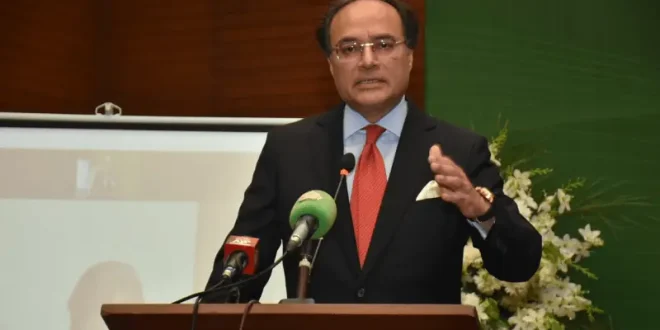
WASHINGTON D.C. – Pakistan’s Finance Minister, Muhammad Aurangzeb, has embarked on a crucial three-day visit to Washington, D.C., signaling a renewed push for a robust bilateral economic partnership with the United States. His agenda is packed with high-level meetings focused on trade, finance, and investment, aiming to unlock opportunities while simultaneously navigating a complex landscape of existing and proposed US tariffs.
The News: A Pivotal Economic Diplomatic Push
Finance Minister Muhammad Aurangzeb’s arrival in the US capital marks the initiation of significant discussions with key American officials and financial institutions. The core objective is to resume negotiations on a broader bilateral economic partnership, moving beyond traditional security-focused ties towards a more comprehensive economic engagement.
During his visit, Aurangzeb is slated to meet with representatives from the Office of the United States Trade Representative (USTR), the US Export-Import Bank (Exim Bank), the US International Development Finance Corporation (DFC), and the International Monetary Fund (IMF). A central pillar of these talks will be the framework for a potential bilateral trade agreement, designed to enhance trade volumes and attract further US investment into Pakistan. Discussions are expected to delve into critical areas such as tariffs, market access for Pakistani goods, and identifying new investment avenues. Furthermore, meetings with the Exim Bank and DFC are particularly pertinent, as they aim to explore financing mechanisms for crucial infrastructure, energy, and private-sector projects within Pakistan, vital for the nation’s economic development.
Background: A Labyrinth of Tariffs and Economic Reforms
This high-stakes visit occurs against a backdrop of evolving and challenging US trade policies directly impacting Pakistani exports. The journey to the current tariff landscape has been anything but straightforward:
- IEEPA Tariffs and Their Demise: In April 2025, former US President Donald Trump initially imposed a substantial 29% tariff on Pakistani exports under the International Emergency Economic Powers Act (IEEPA). This move sparked immediate concern in Islamabad, leading to a Pakistani delegation successfully negotiating a reduction to 19% in July 2025. However, this IEEPA-based tariff regime was later invalidated by a landmark US Supreme Court ruling earlier this year, providing temporary relief.
- Section 122’s Temporary Measure: In response to the Supreme Court’s decision, the Trump administration swiftly invoked Section 122 of the Trade Act, imposing a new, albeit temporary, global tariff of 10%. This measure, intended as a stopgap, is due to expire on July 24, following its statutory 150-day period.
- The Looming Threat of Section 301: Perhaps the most significant ongoing challenge is the USTR’s investigation under Section 301 of the Trade Act. Pakistan is among nearly 60 countries facing scrutiny over alleged forced labor and related trade practices. Under this process, Pakistan faces a proposed additional tariff of 10% on its exports, while other nations, including India, confront a higher 12.5% proposed tariff. Pakistan has actively engaged with the USTR, submitting detailed responses, including an additional submission this week, to defend its practices and mitigate the imposition of these tariffs. Public hearings continue, underscoring the gravity of this investigation.
Beyond the immediate tariff concerns, Finance Minister Aurangzeb’s visit builds upon his earlier engagement in April, when he attended the IMF and World Bank Spring Meetings. That trip saw him hold over 50 meetings with global financial institutions, investors, and rating agencies to articulate Pakistan’s ambitious economic reform agenda aimed at restoring macroeconomic stability. He also discussed plans to return Pakistan to international capital markets through instruments like Panda Bonds and Eurobonds, and addressed the economic fallout from regional tensions and volatile global energy markets due to conflicts involving Iran.
Impact on Pakistan: Opportunities and Hurdles for Economic Growth
The outcomes of Finance Minister Aurangzeb’s current visit hold substantial implications for Pakistan’s fragile economic recovery and long-term growth trajectory:
- Mitigating Tariff Threats: Successfully navigating the Section 301 investigation and avoiding the imposition of new tariffs is paramount. Even a 10% additional tariff could significantly erode the competitiveness of Pakistani exports, impacting industries and job creation. Pakistan’s proactive engagement with USTR is crucial to presenting a strong case against such measures.
- Boosting Trade and Investment: A bilateral trade agreement could open up significant market access for Pakistani products, diversify its export base, and reduce reliance on a few key markets. Securing financing from Exim Bank and DFC for infrastructure and energy projects would be a game-changer, addressing critical development gaps and stimulating economic activity.
- Enhancing Investor Confidence: Positive outcomes from these meetings, particularly regarding macroeconomic stability and trade facilitation, would send a strong signal to international investors. This could attract much-needed foreign direct investment (FDI) into Pakistan’s diverse sectors, from technology to textiles.
- Strengthening External Financing: Continued engagement with the IMF, especially in light of Pakistan’s ongoing reform efforts, is essential for maintaining access to crucial external financing and support for its balance of payments.
- Addressing Structural Reforms: The discussions around trade practices, particularly those linked to Section 301, will inevitably push Pakistan to review and strengthen its labor standards and regulatory frameworks. While challenging, this can lead to long-term improvements in governance and human capital.
Analysis: The Broader Strategic and Economic Play
Finance Minister Aurangzeb’s visit transcends mere economic negotiations; it represents a critical juncture in the evolving US-Pakistan relationship. For decades, the partnership has often been defined by security cooperation, but this visit underscores a strategic pivot towards a more robust economic dimension. The US, as a major trading partner and investor, is indispensable to Pakistan’s aspirations for sustainable economic growth and regional stability.
The complexity of the tariff issues highlights the challenges of global trade in an era of protectionist sentiments and heightened scrutiny over supply chains. Pakistan faces a delicate balancing act: it must robustly defend its trade practices and market interests against allegations like forced labor, while simultaneously demonstrating its commitment to international standards and an open, rules-based trading system. The shift from IEEPA to Section 122 and the ongoing Section 301 investigations illustrate the dynamic and often unpredictable nature of US trade policy, requiring nimble and proactive diplomacy from Islamabad.
Successful outcomes would not only provide a much-needed boost to Pakistan’s economy but also deepen trust and cooperation between the two nations. Conversely, a failure to effectively address the tariff issues could severely impede Pakistan’s export growth and its capacity to attract foreign investment, prolonging its economic challenges. The discussions on investment in infrastructure and energy are particularly vital, as these sectors are foundational to long-term industrial growth and job creation.
Ultimately, this visit is a litmus test for Pakistan’s economic diplomacy and its ability to secure favorable terms amidst global economic headwinds and protectionist tendencies. It emphasizes that while Pakistan continues its internal economic reform journey – tackling fiscal deficits, improving business climate, and broadening the tax base – external partnerships, particularly with key economies like the United States, remain pivotal for translating domestic reforms into tangible prosperity and a stronger standing on the international stage.
