 Dost Pakistan Journeys Tours and safaris in the North & South Pakistsn
Related Articles

“`html
Karachi Police Shootout: Suspect in Six-Year-Old’s Abduction and Murder Killed – Examining Justice and Accountability
The recent claim by Karachi police regarding the killing of a suspect in the abduction and murder of a six-year-old girl has ignited a complex discussion about justice, due process, and law enforcement practices in Pakistan. While the swift resolution of such a heinous crime might bring a semblance of closure to a grief-stricken community, it also casts a shadow over the mechanisms of justice and the persistent challenges of child protection in the country.
The News: A Tragic Case and a Police Encounter
In a development that has captured national attention, Karachi police recently announced the death of an alleged perpetrator involved in the horrific abduction and murder of a six-year-old girl in the Keamari area. The child’s body was discovered in bushes in Manora, with subsequent medico-legal reports confirming signs of sexual violence and multiple injuries, painting a grim picture of the ordeal she endured.
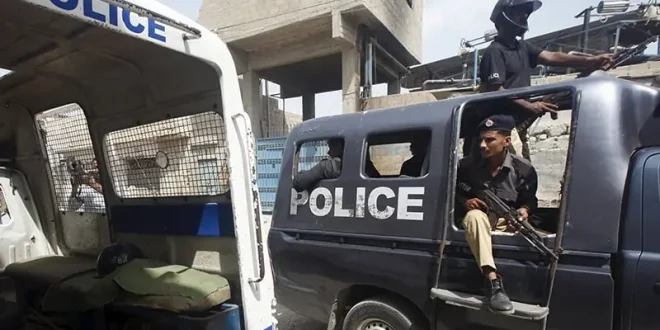
According to police statements, the suspect was located based on intensive investigation, including the analysis of CCTV footage and other gathered evidence. During a raid in the Mubarak Mosque area, law enforcement officials claim the suspect opened fire upon seeing the police party, prompting a retaliatory shootout. This exchange of gunfire reportedly resulted in the suspect sustaining fatal injuries.
A First Information Report (FIR No. 265/2026) had been registered at Jackson Police Station under Sections 364-A (kidnapping or abducting a person under the age of fourteen years in order to subject him to grievous hurt, or to wrongful confinement, or to murder him, or to rape him, or to subject him to unnatural carnal intercourse) and 302 (punishment for Qatl-e-amd, or murder) of the Pakistan Penal Code. Following the encounter, a separate case concerning the police shootout is also being registered, with forensic and legal proceedings underway to investigate both the original crime and the circumstances of the suspect’s death. This incident follows closely on the heels of another similar, equally disturbing case earlier this month involving the abduction, rape, and murder of another six-year-old child.
Background: A Troubling Pattern and Legal Framework
This incident unfolds against a backdrop of increasing concerns over child safety and the recurring nature of “police encounters” in Pakistan. The legal sections invoked, Sections 364-A and 302 of the Pakistan Penal Code, underscore the severe nature of the crime committed against the young girl. Section 364-A specifically addresses the abduction of minors for malicious purposes, reflecting the state’s recognition of the particular vulnerability of children, while Section 302 deals with the ultimate crime of murder. These laws are designed to provide a framework for stringent punishment, but their effectiveness hinges on a robust and impartial justice system.
However, the narrative of a “police encounter” or “shootout” is not uncommon in Pakistan. While law enforcement agencies often present such incidents as legitimate acts of self-defense or necessary force against dangerous criminals, they frequently draw scrutiny from human rights organizations and the public. Allegations of extrajudicial killings, where suspects are summarily executed without due process, have historically plagued the police force. Such encounters raise fundamental questions about the rule of law, the right to a fair trial, and the accountability of state institutions. The tragic rise in cases of child sexual abuse, abduction, and murder, often highlighted by sensational media coverage, fuels public outrage and a demand for immediate justice, sometimes creating an environment where extrajudicial measures are tacitly accepted or even celebrated by some sections of society.
Impact on Pakistan: Public Trust, Fear, and Calls for Reform
The immediate impact of such a case on Pakistani society is profound. The brutal murder of a six-year-old child, especially when coupled with sexual violence, unleashes a wave of collective grief, anger, and widespread fear. Parents across the nation are gripped by anxiety over the safety of their children, leading to renewed calls for enhanced child protection laws and more effective implementation mechanisms. These crimes not only devastate families but also erode the general sense of security within communities.
The police’s claim of killing the suspect in a shootout further complicates the societal response. While some segments of the public might view it as swift justice, offering a sense of immediate retribution for an unspeakable crime, others remain skeptical, concerned about the implications for the rule of law and the principles of due process. Such incidents can be a double-edged sword for public trust in law enforcement: they might satisfy the desire for quick resolution but simultaneously deepen existing doubts about police accountability and transparency. The incident inevitably intensifies the debate around police reforms, judicial delays, and the urgent need for a justice system that is both effective and fair.
Analysis: Scrutinizing the Narrative and Systemic Failures
The “police encounter” narrative, while offering a seemingly conclusive end to a pursuit, warrants rigorous scrutiny. In a country grappling with allegations of extrajudicial killings, the circumstances surrounding a suspect’s death during a raid necessitate an independent and thorough investigation. Questions inevitably arise: Were all efforts made to apprehend the suspect alive? Was there concrete evidence to confirm the individual’s guilt beyond reasonable doubt before the encounter? The absence of a trial means the suspect never had the opportunity to present their side or for the evidence to be tested in a court of law. This approach, while potentially satisfying public thirst for swift justice, risks setting a dangerous precedent that undermines the foundational principles of due process and universal human rights.
Furthermore, the death of a sole suspect, while potentially closing one chapter, could also hinder the broader investigation. It might prevent the identification of potential accomplices, uncover wider networks, or shed light on the systemic issues that facilitate such crimes. A living suspect could provide invaluable information crucial for dismantling criminal enterprises and preventing future atrocities. The reliance on CCTV footage and forensic evidence is commendable and essential, but these must be rigorously evaluated by independent bodies, not just by the investigating agency.
Beyond the immediate incident, this tragedy highlights the glaring gaps in Pakistan’s child protection framework. Despite legislative efforts, the recurrence of such heinous crimes against children points to systemic failures in prevention, effective policing, rapid investigation, and punitive justice. There is an urgent need for multi-faceted interventions, including public awareness campaigns, strengthening protective services, community vigilance, and ensuring that law enforcement agencies are equipped not just with the power to act, but also with the training and accountability mechanisms to act within the bounds of the law. Ultimately, true justice for the victim and her family must extend beyond a single encounter; it demands a robust system that safeguards children, ensures fair trials, and upholds the rule of law for all.
“`
