Dost Pakistan Journeys Tours and safaris in the North & South Pakistsn
Related Articles



A New Chokepoint: Bab al-Mandeb and the Escalating Middle East Crisis
The Emerging Threat in the Red Sea
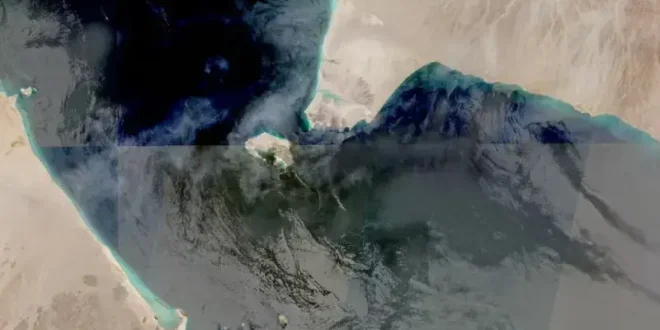
As geopolitical tensions continue to simmer in the Gulf, attention is rapidly shifting to a new, critical maritime flashpoint: the Bab al-Mandeb Strait. This vital waterway, connecting the Red Sea to the Indian Ocean, faces a serious threat of disruption following the recent announcement by Yemen’s Houthi militia. The Houthis have declared a blockade on Saudi ships, a direct retaliation after the bombing of Sanaa airport on July 13th and the subsequent diversion of an Iranian aircraft intended for the Yemeni capital. This move transforms Bab al-Mandeb into a significant global chokepoint, potentially mirroring – and compounding – the strategic challenges posed by the Strait of Hormuz.
The implications of this potential blockade extend far beyond regional rivalries. If free passage through Bab al-Mandeb is indeed curtailed, the ripple effects on global shipping, energy markets, and supply chains could be catastrophic, escalating an already volatile situation in the wider Middle East.
Contextualizing the Escalation: A Web of Conflicts
The Bab al-Mandeb Strait, often referred to as the “Gate of Tears,” is one of the world’s busiest shipping lanes. It acts as the gateway for vessels transiting the Suez Canal to and from Asia, carrying an estimated 10% of global seaborne oil trade and a substantial portion of international commerce. Any blockage here would force ships to undertake lengthy and costly detours around the Cape of Good Hope, severely impacting global trade flows and increasing shipping insurance premiums.
The Houthi militia, an Iran-aligned group, has a history of using maritime disruption as a tactic. They previously targeted shipping to and from Israel in the Red Sea in solidarity with Palestinians following the Gaza conflict. Their latest threat comes amid a fragile ceasefire in Yemen’s protracted civil war, where the Saudi-led coalition has been engaged against the Houthis for years. This blockade could easily reignite a conflict that has already devastated Yemen and created one of the world’s worst humanitarian crises.
This localized conflict, however, is deeply intertwined with the broader US-Iran confrontation, which has been exacerbated by what some describe as a “disastrous US-Israeli attack on Iran.” The increasing frequency of proxy actions, threats to energy infrastructure, and naval posturing in the Gulf region underscores a dangerous escalation spiral. The potential for the conflict to metastasize from the Persian Gulf to the Red Sea corridor represents a critical juncture for international security.
Impact on Pakistan: Energy Security at Risk
For nations like Pakistan, the developments in Bab al-Mandeb are particularly alarming. Pakistan is heavily reliant on imported energy, with a significant portion of its oil and gas supplies transiting through the Red Sea and Bab al-Mandeb. A sustained closure or disruption of this route would directly threaten Pakistan’s energy security, leading to potential fuel shortages, soaring import costs, and significant inflationary pressures on its economy. Such economic shocks would undermine already delicate fiscal stability and impact the daily lives of millions.
Recognizing the gravity of the situation, Pakistan has swiftly condemned the Houthi threats and warned against any targeting of its commercial vessels. Prime Minister Shehbaz Sharif has also reaffirmed Pakistan’s solidarity with Saudi Arabia, a key strategic partner. This diplomatic stance reflects Pakistan’s vital national interests, emphasizing its commitment to the free flow of maritime trade while navigating complex regional alliances.
Analysis: The Imperative for De-escalation
The emergence of Bab al-Mandeb as a potential chokepoint alongside the Strait of Hormuz presents a dual threat to global commerce unlike any seen in recent history. The economic fallout from simultaneous disruptions would be catastrophic, impacting everything from energy prices and consumer goods to global supply chains already reeling from other crises. The risk of the conflict spreading from the Gulf to the Red Sea is palpable, with the US already vowing to hold Iran accountable for Houthi actions, thereby providing further pretexts for a wider regional conflagration.
Therefore, an immediate reversal of the Houthi decision is paramount. Given their alignment, Iran holds significant influence over the Houthi militia and must be urged to advise reconsideration of the blockade. Tehran’s strategic calculations must weigh the short-term tactical gains against the devastating long-term consequences of a full-blown regional war that would engulf its allies and neighbors.
This crisis demands urgent, multi-faceted diplomatic efforts. Pakistan, with its unique position of maintaining active channels with both Saudi Arabia and Iran, is well-placed to play a crucial role. Islamabad should leverage its diplomatic ties to impress upon Tehran the dangers of the Red Sea blockade and advocate for de-escalation. Simultaneously, efforts to revive the Houthi-Saudi ceasefire in Yemen are critical to prevent the largely frozen conflict from restarting and adding further fuel to regional fires.
Ultimately, while external factors and historical grievances have contributed to igniting these regional fires, the responsibility to defuse tensions lies squarely with the countries of the region. An immediate ceasefire in the Gulf, coupled with concerted efforts to prevent escalation between the Houthis and Saudi Arabia, is essential. Pakistan, alongside other regional powers, must put its diplomatic machinery into overdrive, working collaboratively to prevent the flames of war from consuming the wider Middle East and safeguarding the future of global maritime security.
This analysis is based on information available up to July 24th, 2026, as per the provided summary.