Dost Pakistan Journeys Tours and safaris in the North & South Pakistsn
Related Articles



“`html
Nvidia’s Shaken Foundation: The Geopolitical Storm After Jensen Huang’s Exit and Elon Musk’s Warning
The News Unveiled: A Leader Departs Amidst Scandal
The tech world was rocked by the abrupt departure of Jensen Huang, the visionary CEO and co-founder of Nvidia, a company that has become synonymous with artificial intelligence. Huang stepped down following revelations of extramarital affairs, including a particularly sensitive one involving Alice Huang, a former executive of Megaspeed, who has been under investigation by US authorities for suspected links to Chinese intelligence. This scandal has plunged the $4 trillion chipmaking giant into an unprecedented crisis, sending tremors throughout the global AI ecosystem which heavily relies on Nvidia’s groundbreaking technology.
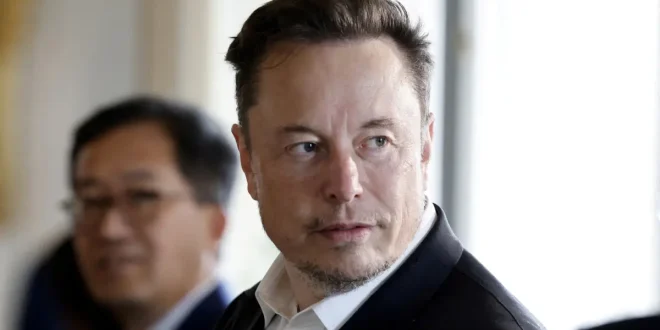
In the wake of this development, tech titan Elon Musk, a major Nvidia client through his companies like Tesla and xAI, voiced strong concern. Via his platform X, Musk asserted that many critical supply chain deals with Nvidia were “a handshake with Jensen, not a written contract,” implying that such crucial agreements could be jeopardized without Huang’s personal involvement. He went on to praise Huang’s integrity and reliability in delivering on his word, even expressing an intention to sign a petition for his reinstatement.
Nvidia’s board is now scrambling to identify a successor, with interim CEO Colette Kress at the helm while a formal search is underway. Names like Arm Holdings CEO Rene Haas, AMD chief Lisa Su, and even Apple’s former chief Tim Cook (as suggested by Donald Trump) are circulating, highlighting the immense challenge of filling Huang’s shoes.
Background: The Architect of AI and Geopolitical Undercurrents
To fully grasp the magnitude of Huang’s departure, one must understand Nvidia’s pivotal role in the modern technological landscape. Under Huang’s three-decade leadership, Nvidia evolved from a graphics card company into the undisputed leader in AI hardware. Its Graphics Processing Units (GPUs) and the proprietary CUDA software platform form the computational backbone for virtually all significant AI research, development, and deployment globally. This dominance has made Nvidia an indispensable partner for cloud providers, data centers, autonomous vehicle developers, and AI labs worldwide, effectively bankrolling the AI revolution.
Jensen Huang himself is not just a CEO; he is often described as a “chief conductor,” a hands-on visionary deeply involved in engineering roadmaps, strategic partnerships, and even complex geopolitical negotiations, particularly concerning chip exports to China. His personal charisma, technical acumen, and long-standing relationships with industry leaders have been integral to Nvidia’s success and its ability to navigate a highly competitive and politically charged global market.
The allegations surrounding Alice Huang and potential Chinese espionage add a severe geopolitical dimension to what might otherwise be a corporate governance issue. In an era of escalating US-China tech rivalry, especially over advanced semiconductors, any hint of foreign intelligence infiltration at a critical American tech company like Nvidia raises significant national security concerns. This context amplifies the pressure on Nvidia’s board to not only find a technically capable leader but one who can also navigate the intricate web of international relations and security risks.
Elon Musk’s vocal support further underscores the personal nature of high-stakes tech deals and the reliance placed on key individuals in an industry where innovation moves at breakneck speed. As a major consumer of Nvidia’s advanced chips for his AI ventures, Musk’s perspective reflects the industry’s dependence on stable, trusting relationships at the highest level.
Potential Impact on Pakistan: Ripples Across the Digital Frontier
While the immediate effects of Nvidia’s leadership crisis might seem distant, its repercussions can indirectly but significantly impact Pakistan’s burgeoning tech sector and its national digital transformation efforts. Pakistan has been making concerted efforts to foster its AI ecosystem, investing in research, developing local talent, and encouraging startups in areas like fintech, e-commerce, and healthcare, all of which increasingly rely on advanced computing infrastructure.
- Access to AI Hardware: Nvidia’s GPUs are fundamental for AI development and deployment. Any prolonged instability, disruption in supply chains, or shift in strategic direction at Nvidia could affect the availability and pricing of essential AI hardware for Pakistani academic institutions, research labs, and private companies.
- Innovation and Talent Development: A stable global AI hardware market is crucial for the growth of local AI talent. If global access to cutting-edge AI tools becomes uncertain, it could slow down the pace of innovation and skill development within Pakistan’s tech community, potentially hindering its competitiveness.
- Investor Confidence: Global tech uncertainties can make international investors more cautious. As Pakistan seeks to attract foreign direct investment (FDI) into its tech sector, a prolonged period of instability at a leading global tech player like Nvidia, coupled with geopolitical tensions, might dampen investor sentiment, affecting nascent local ventures.
- Strategic Planning for Digital Pakistan: The “Digital Pakistan” initiative relies on robust technological infrastructure. Ensuring access to the best available AI technology is vital for achieving national goals in areas like smart cities, e-governance, and data analytics. Any global market disruptions necessitate careful strategic planning by Pakistani policymakers and industry leaders.
Although Pakistan does not directly produce advanced semiconductors or possess a significant domestic chipmaking industry, its reliance on global supply chains for critical tech components means that seismic shifts in companies like Nvidia will inevitably create ripples that reach its shores, influencing the trajectory of its digital future.
Analysis: The Future of Nvidia and High-Stakes Leadership
Jensen Huang’s exit marks a pivotal moment for Nvidia and the broader AI industry, highlighting several critical challenges:
The Peril of Personalized Leadership
Elon Musk’s comments about “handshake deals” underscore the unique challenge of replacing a founder-CEO who has built a company around their personal vision and relationships. In rapidly evolving sectors like AI, where trust and agility are paramount, a visionary leader’s personal commitment can often expedite complex deals and foster partnerships more effectively than traditional contractual frameworks. Nvidia’s next CEO will face the daunting task of institutionalizing these relationships and maintaining momentum without Huang’s singular presence, potentially leading to a period of adjustment and re-evaluation of key alliances.
Navigating Geopolitics and Corporate Governance
The alleged espionage angle elevates this corporate crisis into a matter of national security, further complicating the succession process. Nvidia’s new leader will not only need to possess deep technical expertise and business acumen but also an acute understanding of international relations, particularly the delicate balance between fostering global growth and adhering to national security imperatives in an increasingly polarized world. The scrutiny over Nvidia’s chip exports to China, already a contentious issue, will intensify, demanding a CEO capable of astute diplomatic and strategic navigation.
The Future Trajectory of AI Innovation
Huang’s profound influence on Nvidia’s engineering roadmaps and ecosystem investments has been a key driver of AI innovation. The transition raises questions about whether the company can maintain its aggressive pace of innovation and its strategic direction. Will the new leadership continue Huang’s “chief conductor” approach, or will it shift towards a more distributed, institutional leadership structure? This shift could alter Nvidia’s internal culture, its pace of development, and its competitive edge against rising challengers in the AI chip space.
Elon Musk’s Influence and Industry Interconnectedness
Musk’s vocal intervention highlights the interconnectedness of tech giants and their reliance on a stable supply of cutting-edge hardware. His rare public endorsement for a rival CEO underscores his personal regard for Huang and, more pragmatically, his concern for the stability of a critical supplier for his own ambitious AI projects. Musk’s appeal, whether for genuine concern or strategic leverage, amplifies the pressure on Nvidia’s board to restore confidence swiftly.
In essence, Nvidia stands at a crossroads, needing to quickly identify a leader who can not only preserve its technological dominance but also expertly steer the company through the complex currents of corporate governance, geopolitical tensions, and the deeply personal nature of high-stakes business relationships. The choice of successor will have profound implications not just for Nvidia, but for the entire future of artificial intelligence.
“`