 Dost Pakistan Journeys Tours and safaris in the North & South Pakistsn
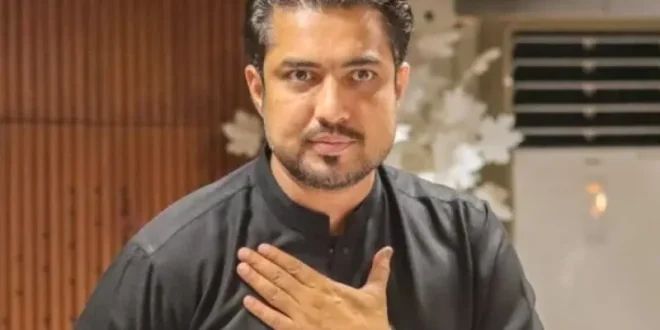
Iqrarul Hassan Indictment: A Deep Dive into Cyberterrorism Charges and Pakistan’s Digital Rights
An original analysis exploring the implications of Iqrarul Hassan’s indictment on cyberterrorism charges for Pakistan’s media freedom and digital landscape.
The News: A Prominent Anchorperson Faces Cyberterrorism Charges
In a significant development that has sent ripples through Pakistan’s media fraternity and digital rights circles, prominent anchorperson Iqrarul Hassan has been formally indicted on charges of cyberterrorism and disseminating anti-state, false, and defamatory content. A judicial magistrate in Karachi framed the charges against Mr. Hassan under multiple provisions of the Prevention of Electronic Crimes Act (PECA), 2016. Arrested previously by the National Cyber Crime Investigation Agency (NCCIA) in Lahore, Mr. Hassan pleaded not guilty to the accusations, opting to contest the case. The charges, which include “glorification of an offence,” “cyberterrorism,” “offences against dignity of a natural person,” “cyberstalking,” and “punishment for false and fake information,” stem from allegations that his social media content aimed to “instigate and incite the general public at large against the state and lawfully constituted authorities.” His legal team has also sought the return of digital devices seized during his arrest, arguing they are no longer required for the investigation.
Background: PECA, Journalism, and the Digital Divide
To understand the gravity of Iqrarul Hassan’s indictment, it’s crucial to contextualize it within Pakistan’s evolving media landscape and legal framework. Iqrarul Hassan is not just any journalist; he is a well-known investigative reporter, famous for his program “Sar-e-Aam,” which often exposes corruption and social injustices. His public profile amplifies the impact of this case, making it a critical test for freedom of expression in the country.
At the heart of the legal proceedings is the Prevention of Electronic Crimes Act (PECA), 2016. While ostensibly enacted to combat cybercrime like hacking, online fraud, and child pornography, PECA has frequently drawn criticism for its broad definitions and perceived misuse to stifle dissent, target journalists, and curb online speech. Sections like 10 (cyberterrorism) carry severe penalties and have been flagged by human rights organizations for their potential to be applied vaguely to legitimate criticism. Similarly, Section 20 (defamation) and 26-A (false information) have been controversially used against individuals expressing critical opinions online, often blurring the lines between defamation and legitimate public interest commentary.
Pakistan’s media, though vibrant, operates under significant pressures. Journalists often navigate a challenging environment marked by legal threats, financial constraints, and at times, intimidation. The digital realm, while offering new avenues for expression and public engagement, has also become a new frontier for content regulation, making cases like Mr. Hassan’s a significant indicator of the trajectory of digital rights in Pakistan.
Impact on Pakistan: Chilling Effects and Digital Freedoms
The indictment of a high-profile figure like Iqrarul Hassan on charges as severe as cyberterrorism under PECA carries profound implications for Pakistan’s freedom of speech and its democratic fabric. This case sends a strong “chilling effect” across the journalistic community and the broader public:
- Increased Self-Censorship: Journalists, activists, and ordinary citizens may become increasingly wary of expressing critical opinions online, fearing similar legal repercussions. This could lead to a less vibrant and less diverse public discourse, hindering robust democratic debate.
- Erosion of Digital Rights: The broad interpretation of “anti-state content” or “glorification of an offence” under PECA poses a direct threat to the right to express oneself freely online. The seizure of digital devices, even after investigation, raises concerns about privacy and due process.
- Pressure on Investigative Journalism: Iqrarul Hassan’s work often involves exposing sensitive issues. This case could deter other investigative journalists from pursuing stories that might be deemed critical of authorities, thereby impacting accountability and transparency.
- International Scrutiny: Such high-profile cases invariably attract international attention from human rights organizations and media watchdogs, potentially impacting Pakistan’s image regarding media freedom and human rights.
- Uncertainty for Online Content Creators: In an era dominated by social media, individuals who comment on current affairs or critique public policy could find themselves vulnerable to similar legal actions, stifling the growth of independent online content creation.
Analysis: Navigating the Legal and Ethical Tightrope
The Iqrarul Hassan case highlights the intricate and often contentious balance between national security, public order, and fundamental rights. While states have a legitimate interest in preventing terrorism and maintaining order, the application of laws like PECA must be meticulously scrutinized to ensure they do not become instruments for suppressing legitimate criticism or journalistic inquiry.
The core accusation — instigating the public against the state and glorifying accused individuals — requires careful legal interpretation. The vagueness of such terms provides significant latitude for authorities, which can be problematic in a democratic society that thrives on open debate. What constitutes “instigation” versus legitimate criticism? When does commentary about a convicted individual cross into “glorification” rather than simply reporting on a story or expressing a viewpoint?
Furthermore, the designation of “cyberterrorism” is particularly alarming. Typically associated with organized groups using digital means to cause widespread disruption or violence, applying it to a journalist’s social media content, however critical, stretches its conventional definition. This could set a dangerous precedent, potentially criminalizing online speech that, while controversial, does not meet the threshold for terrorism.
As Pakistan journalism continues to grapple with the digital age, this trial will be a bellwether for the future of online content regulation and the boundaries of expression. The court’s proceedings and eventual judgment will not only determine the fate of Iqrarul Hassan but will also send a powerful message about the robustness of digital rights and the space for critical voices in Pakistan’s public sphere. It is imperative that due process is rigorously followed, and that the principles of freedom of expression are upheld, even in the face of contentious debate.
