Dost Pakistan Journeys Tours and safaris in the North & South Pakistsn
Related Articles


Unpacking Punjab’s Monsoon Tragedies: Beyond the Immediate Downpour
Heavy monsoon rains in Punjab have once again brought tragedy, with seven lives lost and dozens injured in recent incidents. This analysis delves beyond the immediate headlines, examining the systemic vulnerabilities and the broader context of climate change that amplify the monsoon’s devastating impact on Pakistan’s most populous province.
The News: A Monsoon’s Deadly Grip on Punjab
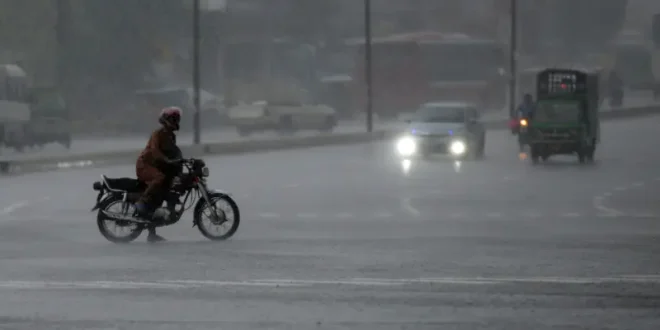
The recent deluge across Punjab has painted a stark picture of vulnerability, claiming at least seven lives and injuring 20 others within a mere 24 hours. Incidents spanned major cities and rural areas, from Lahore to Kasur, Faisalabad to Gujranwala, highlighting the widespread nature of the challenge. The Provincial Disaster Management Authority (PDMA) reported 14 rain-related incidents, predominantly involving structural collapses – house roofs giving way under the relentless downpour – as well as tragic instances of drowning and electrocution.
Among the victims were children and women, underscoring the indiscriminate nature of these disasters. Beyond human lives, the rains also took a toll on livelihoods, with livestock losses reported. While the PDMA acknowledged the immediate tragedies, its Director General, Umar Abbas, stated that major rivers like the Ravi and Sutlej remained within normal limits, averting widespread flooding. However, he confirmed that monsoon-related incidents across Punjab this season have so far resulted in 22 fatalities and 183 injuries, signaling a cumulative, ongoing crisis that demands urgent attention.
Background: Pakistan’s Annual Monsoon Challenge and Underlying Vulnerabilities
Pakistan’s monsoon season, typically from July to September, is a dual-edged sword. It’s crucial for the country’s agrarian economy, replenishing reservoirs and irrigating vast farmlands. Yet, it frequently brings a wave of destruction, particularly in densely populated regions like Punjab. The nation’s susceptibility to monsoon-related disasters is rooted in a confluence of factors:
- Aging and Substandard Infrastructure: Many residential structures, especially in lower-income areas, are built with inadequate materials and lack proper structural integrity, making them highly prone to collapse during heavy rainfall. Urban drainage systems often struggle to cope with sudden deluges, leading to flash floods and water accumulation.
- Unplanned Urbanization: Rapid and often unregulated urban expansion has led to the encroachment on natural waterways and green spaces, exacerbating flooding. Poorly planned settlements, particularly along riverbeds or in low-lying areas, place residents at direct risk.
- Inadequate Public Safety Measures: Open electrical wiring, poorly maintained transformers, and lack of insulated infrastructure pose severe electrocution risks during rain, a recurring tragic outcome.
- Socio-Economic Disparities: Poverty forces many to reside in precarious housing and informal settlements, which are the first to be affected and the slowest to recover from natural disasters.
- The Shadow of Climate Change: Increasingly, the intensity and unpredictability of monsoon patterns in Pakistan are being linked to climate change. Scientists warn of more frequent and extreme weather events, including intense rainfall spells concentrated over shorter periods, overwhelming existing infrastructure and traditional coping mechanisms. Pakistan consistently ranks among the countries most vulnerable to climate change impacts, despite contributing minimally to global emissions.
Historically, Pakistan has grappled with devastating floods, from the super floods of 2010 to localized urban inundations, making monsoon preparedness a critical, albeit continuous, national endeavor.
Impact on Pakistan: Beyond the Casualty Count
The human cost of these monsoon incidents is profound, extending beyond the immediate loss of life and physical injuries. Families are shattered, livelihoods are disrupted, and communities are left to grapple with immense emotional and financial burdens. Children, particularly vulnerable, face psychological trauma and disruptions to their education and well-being.
Economically, the damage to housing, the loss of livestock – as seen with the five buffaloes – and the potential for agricultural disruption, even in localized areas, represent significant setbacks. The strain on emergency services like Rescue 1122 is immense, with continuous response efforts required. Public health also faces threats, as stagnant rainwater can become breeding grounds for water-borne diseases and mosquito-borne illnesses.
While the PDMA’s efforts in plugging breaches and monitoring river levels are commendable and critical for preventing larger-scale disasters, the persistent occurrence of roof collapses and electrocution incidents points to fundamental infrastructure and safety deficits. These recurrent tragedies underscore the urgent need for a more comprehensive and resilient approach to disaster management, one that addresses root causes rather than merely reacting to symptoms.
Analysis: Addressing Systemic Flaws for a Resilient Future
The recent fatalities in Punjab serve as a poignant reminder that while the monsoon is a natural phenomenon, its deadly outcomes are often exacerbated by human factors. The statistics, particularly the high incidence of structural collapses and electrocutions, point to critical systemic issues that demand immediate and long-term intervention.
Infrastructure Resilience and Building Codes
The recurring collapses of house roofs are perhaps the most damning indictment of infrastructure vulnerability. This highlights a severe lapse in the enforcement of building codes, particularly for residential construction. Many structures, especially in older areas or informal settlements, are built without adequate engineering oversight, using subpar materials that cannot withstand intense rainfall. There is an urgent need for:
- Stricter Enforcement: Municipal authorities must rigorously enforce building safety standards and conduct regular inspections, especially in high-risk areas.
- Public Awareness: Campaigns to educate citizens on safe construction practices and the risks associated with unreinforced structures.
- Retrofitting Programs: Government-supported initiatives to help vulnerable communities strengthen their homes against extreme weather.
Urban Planning and Drainage Systems
Even in areas without widespread riverine flooding, urban centers like Lahore experience significant disruptions due to overwhelmed drainage systems. This points to deficiencies in urban planning, where rapid population growth has outpaced infrastructure development. Solutions include:
- Investment in Modern Drainage: Upgrading and expanding urban drainage networks to cope with increased rainfall intensity.
- Green Infrastructure: Promoting permeable surfaces, urban green spaces, and rainwater harvesting to reduce surface runoff.
- Preventing Encroachment: Protecting natural stormwater channels and floodplains from illegal construction.
Addressing Electrocution Risks
Electrocution is a preventable tragedy that occurs annually during the monsoon. The PDMA’s commitment to monitoring aging electricity infrastructure is a step in the right direction, but more proactive measures are required:
- Infrastructure Overhaul: Replacing exposed or faulty wiring, improving insulation, and securing electric poles, particularly in residential areas.
- Public Safety Campaigns: Educating citizens on how to stay safe around electrical infrastructure during rain and flood conditions.
- Rapid Response: Ensuring immediate and safe shutdown of power in affected areas during emergencies.
Climate Change Adaptation: A Long-Term Imperative
The pattern of intense, localized rainfall aligns with predictions for climate change impacts in the region. Pakistan cannot afford to view these incidents in isolation. A comprehensive national strategy for climate change adaptation is paramount. This includes:
- Early Warning Systems: Enhancing meteorological forecasting capabilities and ensuring efficient dissemination of localized warnings to communities.
- Climate-Resilient Infrastructure: Integrating climate projections into all future infrastructure planning and development.
- Community Resilience Building: Empowering local communities with knowledge, resources, and training to prepare for and respond to extreme weather events.
While the PDMA’s immediate response efforts and overall monitoring are vital, a truly resilient Punjab – and Pakistan – will emerge from a concerted, multi-sectoral effort that addresses these foundational weaknesses. Moving forward, the focus must shift from merely managing disasters to proactively building a safer, more climate-resilient environment for all its citizens.