 Dost Pakistan Journeys Tours and safaris in the North & South Pakistsn
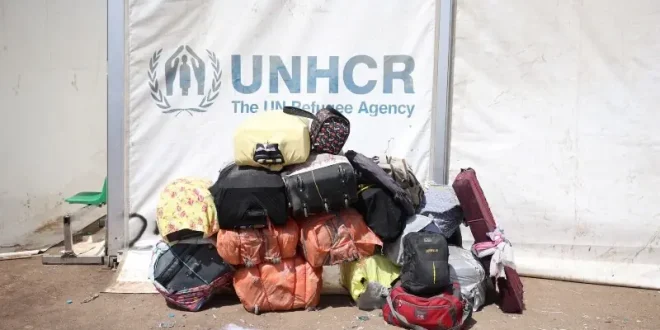
🌎 Decades of Dedication, Moments of Dismissal: Unpacking the UNHCR Teacher Layoffs in Peshawar
The recent protests by hundreds of Pakistani teachers in Peshawar against their abrupt termination by the UNHCR spotlight a critical humanitarian dilemma, echoing a familiar tune of dedication meeting unforgiving financial realities. These educators, who dedicated 35 to 40 years to nurturing Afghan refugee children, now face an uncertain future, exposing the fragile ecosystem of long-term humanitarian initiatives.
📰 The News: A Sudden End to Decades of Service
On Tuesday, November 4th, 2026, hundreds of Pakistani teachers staged a protest in Peshawar, demanding financial relief and recognition for their decades of service. These 291 educators – 100 men and 191 women – had been instrumental in providing education to Afghan children across numerous refugee camps in Khyber Pakhtunkhwa (KP) and surrounding areas, including Mardan, Swabi, Kohat, and Dera Ismail Khan, under the auspices of the United Nations High Commissioner for Refugees (UNHCR).
Their employment, stretching between 35 and 40 years, was reportedly terminated without prior notice or any severance package on October 31st. Leaders of the protest, including Tufail Ahmed and Farhana Durrani, voiced profound dismay, highlighting the abruptness of the decision. They emphasized that despite their unwavering commitment, often without benefits like medical allowances or gratuity, they were dismissed with a “single administrative decision” or a “single phone call,” leaving hundreds of families in severe financial distress. Efforts to engage with UNHCR officials reportedly met with closed doors and police presence, prompting an appeal to Khyber Pakhtunkhwa Governor Faisal Karim Kundi for intervention.
🔭 Background: Pakistan’s Enduring Role in Refugee Education
To understand the gravity of these layoffs, one must contextualize Pakistan’s remarkable, decades-long role as a host nation for Afghan refugees. Following the Soviet invasion of Afghanistan in 1979, and subsequent conflicts, millions of Afghans sought refuge in Pakistan, making it one of the largest refugee-hosting countries globally. This protracted crisis necessitated extensive humanitarian interventions, with education emerging as a cornerstone.
The UNHCR, in collaboration with the Pakistani government and local implementing partners, established schools within refugee camps, aiming to provide stability and opportunity to a generation displaced by war. These schools were often staffed by dedicated Pakistani teachers, like those now protesting, who became the bedrock of educational continuity for Afghan children. Their work transcended mere instruction; they offered psychosocial support, cultural understanding, and a semblance of normalcy in challenging environments. However, programs like these are inherently reliant on international donor funding, making them susceptible to shifts in global priorities, economic downturns, and evolving mandates of humanitarian organizations. The long-term nature of the Afghan refugee presence, while a testament to Pakistan’s hospitality, also creates unique challenges for sustainable aid delivery and exit strategies for international bodies.
📊 Impact on Pakistan: Ripples Beyond the Classrooms
The dismissal of nearly 300 long-serving teachers carries significant repercussions that extend far beyond the individuals directly affected:
- Socio-Economic Strain: Each of the 291 teachers represents a family, many of whom rely solely on this income. Their sudden unemployment plunges hundreds of households into severe financial precarity, intensifying poverty in regions already facing economic hardships. This could lead to increased debt, food insecurity, and a struggle to meet basic necessities across multiple districts in Khyber Pakhtunkhwa.
- Loss of Invaluable Expertise: Decades of accumulated experience in teaching vulnerable refugee populations, often in culturally sensitive and challenging environments, are now lost. This not only impacts the quality of education for remaining or future refugee children but also represents a brain drain of specialized local humanitarian workers.
- Erosion of Trust and Morale: The abrupt nature of the layoffs, coupled with the alleged lack of dialogue from UNHCR, can significantly damage trust between international humanitarian organizations and local communities/workers. It could deter future local participation in such initiatives, impacting the effectiveness of aid delivery.
- Disruption to Refugee Education: The immediate void left by these experienced educators will undoubtedly disrupt the learning process for Afghan refugee children. This risks creating a “lost generation” if educational access is compromised, potentially leading to increased illiteracy, child labor, or early marriages among vulnerable youth.
- Pressure on Local Governance: The appeal to Governor Kundi highlights the immediate pressure placed on provincial authorities to mediate or address the welfare of their citizens, even when the primary employer is an international body. This can strain local resources and diplomatic relations.
- Reputational Questions: While Pakistan has commendably hosted Afghan refugees for decades, incidents like this cast a shadow on the mechanisms and sustainability of long-term international aid programs operating within its borders, raising questions about accountability to local partners and staff.
🧠 Analysis: The Ethical Imperatives of Humanitarian Disengagement
The Peshawar teacher layoffs lay bare a stark reality within the humanitarian sector: the delicate balance between operational imperatives, funding constraints, and ethical responsibility towards long-serving local staff.
The Vulnerability of Contract Labor: Many humanitarian projects globally rely heavily on local contract staff, who often lack the comprehensive benefits, job security, and robust protections afforded to permanent employees or international staff. When funding streams dry up or mandates shift, these local heroes are often the first, and most drastically, impacted. This incident underscores the urgent need for international organizations to review their employment practices, ensuring dignified exit strategies, comprehensive severance packages, and re-skilling opportunities for long-term staff, particularly in protracted crises.
The Cost of Abruptness: The reported “single administrative decision” or “phone call” termination, without prior notice or relief, is not merely an administrative oversight; it’s an ethical failure. Such abruptness ignores the human element – the decades of dedication, the personal sacrifices, and the complete disruption to livelihoods. It suggests a critical lapse in succession planning, transition management, and humane disengagement protocols that should be standard practice for any reputable organization.
Accountability and Transparency: The alleged refusal of UNHCR officials to engage with the protesting teachers and the deployment of police personnel further compound the issue. Transparency and open communication are cornerstones of humanitarian work. Shutting down channels for grievance redressal only escalates tensions and damages the trust essential for future collaborations. There is a clear call for greater accountability from international organizations regarding their responsibilities towards local staff and the communities they serve.
A Broader Trend?: This incident might also reflect a broader trend of shifting international attention and funding away from protracted refugee situations like the Afghan crisis, as newer global emergencies compete for resources. While the world’s gaze may shift, the needs of long-standing refugee communities and their dedicated local support systems remain. This highlights the growing imperative for sustainable funding models and greater localization of aid, empowering local institutions to manage such programs independently.
Ultimately, the Peshawar teacher protests serve as a poignant reminder that humanitarian aid, while globally focused, has deeply personal and local impacts. For those who dedicated their lives to a cause, the expectation of a humane and respectful transition, commensurate with their service, is not just a demand for relief; it’s a fundamental plea for dignity. The international community, and organizations like UNHCR, must heed this call to ensure that those who empower the most vulnerable are not themselves left vulnerable and forgotten.
