Dost Pakistan Journeys Tours and safaris in the North & South Pakistsn
Related Articles


“`html
Pakistan’s Energy Sector Reform: Fesco Privatisation Ignites Global Investor Confidence
Pakistan’s ambitious drive to reform its struggling power sector has reached a significant milestone, as the Privatisation Commission (PC) announces an overwhelming response from both local and international investors for the divestment of the Faisalabad Electric Supply Company (Fesco). This robust interest, marked by 12 expressions of interest (EOIs) from a diverse pool of bidders, underscores a potential turning point for the nation’s energy landscape and broader economic prospects.
The News: Fesco Privatisation Ignites Investor Interest
The Privatisation Commission recently confirmed a strong influx of bids for acquiring a controlling stake, ranging from 51% to 100%, along with management control, in Fesco. The 12 prospective investors include three prominent Turkish energy companies (Aktor Elektrik Enerji Yatırımları, Genvera Enerji (Celik Group), and Cengiz Enerji Sanayii ve Ticaret A.Ş.), one Chinese firm (Jiang Xi Electric Power Construction), and eight significant Pakistani conglomerates. Notable local players include Engro Energy Limited, Sapphire Fibers, Hub Power Holdings, Lucky Cement, and K-Electric Limited, among others.
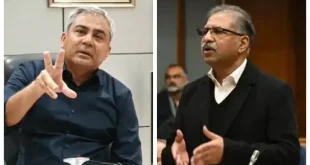
This enthusiastic engagement follows extensive domestic and international roadshows conducted over the past six months, reflecting a concerted effort by the government to attract credible investors. Muhammad Ali, Chairman of the PC, hailed the response as a critical step in the ongoing privatisation of Electricity Distribution Companies (Discos), viewing it as a clear indicator of investor confidence in Pakistan’s power distribution potential and the transparency of the government’s reform agenda. Fesco is part of the first batch of Discos slated for privatisation, alongside Gujranwala Electric Power Company (GEPCO) and Islamabad Electric Supply Company (IESCO), chosen for their relatively stronger financial and operational viability.
Background: Pakistan’s Power Sector and the Drive for Privatisation
Pakistan’s power sector has long been plagued by systemic challenges, making it a significant drain on national resources. Historically, the Water and Power Development Authority (WAPDA) managed the entire power value chain. In 1998, WAPDA was unbundled, leading to the creation of independent generation companies (GENCOs), the National Transmission and Despatch Company (NTDC), and 11 regional Electricity Distribution Companies (DISCOs), including Fesco.
Despite this structural change, the Discos have largely remained under state control, grappling with chronic issues such as high Aggregate Technical and Commercial (AT&C) losses, inefficient billing and collection, rampant electricity theft, and poor infrastructure maintenance. These inefficiencies contribute significantly to Pakistan’s crippling circular debt, a complex financial quagmire where outstanding dues accumulate across the energy supply chain, from power producers to fuel suppliers. This debt not only strains the national exchequer through heavy subsidies but also hinders investment in new infrastructure and threatens the financial sustainability of the entire sector.
The current privatisation initiative is a critical component of a broader power sector reform agenda aimed at addressing these deeply entrenched problems. The government’s objectives are multi-faceted: to alleviate the fiscal burden of loss-making entities, attract much-needed foreign direct investment (FDI), modernize outdated infrastructure, enhance operational efficiency, improve customer service, and ultimately provide affordable and reliable electricity to consumers. By initiating the process with “Batch-I” Discos like Fesco, GEPCO, and IESCO – considered the most viable among the 11 – the government aims to build momentum and demonstrate success, paving the way for the eventual privatisation of other, more challenging Discos.
Impact on Pakistan: A Glimmer of Hope for Economic Revival?
The strong investor interest in Fesco’s privatisation carries significant implications for Pakistan’s economic landscape and its ongoing reform efforts. A successful transaction could usher in a new era of efficiency and investment:
- Reduced Fiscal Burden: Transferring Fesco’s management and ownership to private hands will significantly reduce the government’s exposure to its operational losses and the need for subsidies, freeing up crucial funds for other essential public services like education and healthcare.
- Attracting Foreign Direct Investment (FDI): The participation of Turkish and Chinese investors is particularly noteworthy. FDI brings not only capital but also international best practices, technological expertise, and management know-how, which are vital for modernizing Pakistan’s archaic distribution networks.
- Infrastructure Modernization: Private investment is expected to lead to substantial upgrades in Fesco’s infrastructure, including the implementation of smart grid technologies, automation, and advanced metering systems. This will help in reducing technical losses, improving grid stability, and enhancing the quality of electricity supply.
- Enhanced Service Delivery: Competition and profit motives will drive private operators to improve customer service, streamline billing processes, and respond more efficiently to consumer complaints and outages, ultimately benefiting the end-users in Fesco’s service area.
- Improved Operational Efficiency: Private management, often unencumbered by bureaucratic hurdles, can implement more effective strategies to combat electricity theft, improve collection rates, and reduce commercial losses, thereby enhancing the Disco’s profitability and financial health.
- Boosted Investor Confidence: A transparent and successful privatisation of Fesco could serve as a powerful signal to the global investment community, demonstrating Pakistan’s commitment to economic reforms and its potential as an investment destination, potentially attracting further investment into other sectors.
- Mitigating Circular Debt: While privatisation alone won’t erase the existing circular debt, it can prevent its further accumulation by ensuring that the privatized Discos operate on a financially sustainable model, paying their dues to generation and transmission companies on time.
However, potential challenges remain. The regulatory framework must be robust enough to protect consumer interests while allowing investors a reasonable return. Transparent tariff setting mechanisms and careful management of the existing workforce will be crucial for a smooth transition and long-term success.
Analysis: Decoding the Investor Response and Future Outlook
The enthusiastic response to Fesco’s privatisation is not coincidental; it stems from a confluence of factors making it an attractive proposition for both strategic and financial investors. Firstly, Fesco is generally regarded as one of Pakistan’s better-performing Discos, characterized by relatively lower AT&C losses and higher recovery rates compared to its peers. This inherent viability makes it a less risky entry point into the Pakistani energy market, offering a more predictable revenue stream and greater potential for quick operational improvements.
Secondly, the sheer size and growing demand of the Pakistani energy market present a compelling long-term investment opportunity. Despite its current challenges, Pakistan is a country with a large and expanding population, indicating a consistent need for increased and more reliable power supply. Investors, particularly those with a long-term horizon, recognize this fundamental market potential.
Moreover, the present government’s apparent unwavering commitment to the privatisation process, evidenced by the meticulous roadshows and a clearly defined timeline, instills a sense of confidence. Foreign entities, in particular, often seek assurance regarding policy continuity and regulatory stability before committing significant capital. The inclusion of diverse bidders – from established energy giants like Engro and K-Electric (which already operates a privatised utility) to industrial conglomerates like Lucky Cement and Sapphire Fibers looking for synergistic expansion – highlights the perceived value and strategic fit of Fesco within varied business portfolios.
For Turkish and Chinese firms, investment in Pakistan’s energy sector aligns with broader regional economic strategies and offers opportunities for technology transfer and market expansion within the South Asian landscape. For local players, it represents an opportunity to consolidate their footprint in a critical national utility sector, leveraging existing market knowledge and operational expertise.
The road ahead, however, demands continued diligence. The next steps involving the comprehensive evaluation of EOIs and Statements of Qualification (SOQs), followed by access to the Virtual Data Room (VDR) for detailed due diligence, will be crucial. The Privatisation Commission must ensure a transparent valuation process and select partners who not only bring financial muscle but also a proven track record in efficient utility management. Success with Fesco will set a vital precedent for the subsequent privatisation of GEPCO and IESCO, and potentially pave the way for tackling the more challenging Discos, ultimately shaping the future trajectory of Pakistan’s power sector and its journey towards economic resilience.
“`