Dost Pakistan Journeys Tours and safaris in the North & South Pakistsn
Related Articles



“`html
Pakistan’s Economic Resilience Under Scrutiny: Finance Minister Engages IMF, US EXIM Bank Amidst Reform Drive
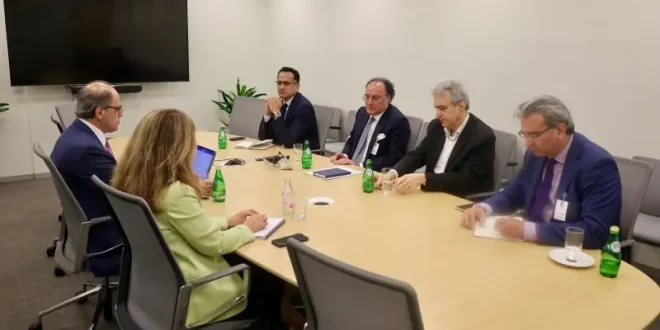
Pakistan’s Finance Minister, Muhammad Aurangzeb, recently concluded a series of high-stakes meetings in Washington, engaging with senior officials from the International Monetary Fund (IMF) and the U.S. Export-Import Bank (EXIM Bank). These crucial discussions underscored Pakistan’s ongoing commitment to economic reforms, its pursuit of macroeconomic stability, and the strategic expansion of its international financial and trade partnerships.
The Recent Engagements: A Snapshot
Finance Minister Aurangzeb’s visit to Washington saw him holding extensive dialogues with the IMF’s senior management, including First Deputy Managing Director Dan Katz and Deputy Managing Director Nigel Clarke, among others. The core agenda revolved around a comprehensive review of Pakistan’s macroeconomic performance and the progress achieved under the Fund’s various programs, notably the Extended Fund Facility (EFF) and the Resilience and Sustainability Facility (RSF).
During these meetings, the Minister presented a positive outlook, highlighting:
- Improved Fiscal and External Balances: Indicating better management of government finances and external trade.
- Achievement of Revenue Targets: A crucial step towards fiscal self-reliance.
- Stronger Foreign Exchange Reserves: Essential for import coverage and currency stability.
- Record Remittances and Improved Current Account Position: Reflecting increased foreign currency inflows and a healthier balance of payments.
Beyond these positive indicators, discussions delved deep into Pakistan’s structural reform agenda, covering critical areas such as tax and energy reforms, privatization efforts, tariff rationalization, debt management strategies, and the diversification of financing sources to facilitate Pakistan’s re-entry into international capital markets. Broader economic development topics like human capital, women’s economic participation, and technology-led, export-oriented growth were also on the table, signaling a holistic approach to sustainable development.
In a separate but equally significant engagement, Minister Aurangzeb met with U.S. EXIM Bank President and Chairman John Jovanovic. This meeting aimed at broadening economic and commercial cooperation between Pakistan and the U.S., with a particular focus on financing long-term projects and boosting trade in key agricultural commodities like cotton, soybeans, and hydrocarbons. A promising outcome was the agreement to develop a strategic framework to consolidate priority projects and establish a multi-year transaction pipeline, expected to be finalized by September 2026.
The Minister’s itinerary also included discussions with U.S. Treasury officials, where he reportedly sought a $10 billion Exchange Stabilisation Support Facility, and a meeting with Honeywell Technologies to explore modernizing Pakistan’s refinery sector. These interactions took place against the backdrop of ongoing negotiations between Pakistan and the U.S. concerning global tariff regimes, a sensitive issue that saw tariffs on Pakistani exports initially set at 29% in April 2025, subsequently reduced to 19% following diplomatic efforts.
Background: Pakistan’s Persistent Economic Balancing Act
Pakistan’s economic landscape has historically been characterized by cycles of growth followed by balance of payments crises, necessitating frequent recourse to the International Monetary Fund. The nation grapples with systemic challenges including large fiscal deficits, a narrow tax base, persistent current account deficits, significant energy sector circular debt, and often, political instability impacting policy consistency.
The IMF’s role for Pakistan is multifaceted: it acts as a lender of last resort, providing crucial foreign exchange to avert default, while simultaneously imposing stringent conditionalities for structural reforms. These reforms, often unpopular in the short term, are designed to address deep-seated economic imbalances. The Extended Fund Facility (EFF) aims for broad macroeconomic stability and structural adjustment, while the newer Resilience and Sustainability Facility (RSF) specifically targets climate-related vulnerabilities, reflecting a global shift towards sustainable development.
Pakistan’s long and complex history with the IMF underscores the recurring nature of its economic challenges, highlighting the critical need for sustained, homegrown reforms. These Washington meetings are not merely routine; they are pivotal for Pakistan to maintain international financial credibility, unlock further multilateral and bilateral financing, and attract much-needed foreign direct investment. Furthermore, strengthening economic ties with the U.S., a major trade partner and potential investor, is vital for Pakistan’s long-term growth aspirations, especially as it navigates evolving global trade dynamics and tariff policies.
Impact on Pakistan: Navigating the Path to Stability and Growth
The outcomes of these high-level engagements carry profound implications for Pakistan’s economic trajectory:
- Enhanced Credibility and Investor Confidence: Continued positive engagement with the IMF signals a government committed to fiscal prudence and structural reforms. This commitment is crucial for bolstering international investor confidence, which is vital for attracting capital and stimulating economic activity.
- Access to Vital Capital: An active and compliant IMF program is often a prerequisite for securing additional financing from other multilateral institutions like the World Bank and the Asian Development Bank, as well as accessing international capital markets. This external financing is essential for shoring up foreign exchange reserves and financing development projects.
- Catalyst for Fiscal Discipline and Reforms: The IMF’s conditionalities, though often challenging, compel successive Pakistani governments to undertake necessary reforms in taxation, energy pricing, and privatization of state-owned enterprises (SOEs). These reforms, while sometimes leading to short-term economic pain, are fundamental for long-term fiscal health and efficiency.
- Strengthening Foreign Exchange Reserves: The reported improvement in foreign exchange reserves is a critical indicator of economic stability, providing essential import cover and stabilizing the Pakistani Rupee. Continued IMF support is key to sustaining this trend.
- Addressing Debt Management: With a significant portion of its budget allocated to debt servicing, Pakistan’s discussions on debt management and diversification of financing sources are crucial. Strategic efforts in this area can alleviate fiscal pressure and free up resources for development.
- Potential for Long-term Project Financing: The engagement with the U.S. EXIM Bank offers a promising avenue for securing financing for critical infrastructure and development projects. This partnership could bring not only capital but also advanced technology and expertise, particularly in sectors like energy and agriculture, fostering sustainable economic growth and job creation.
- Boosting Export Competitiveness: The ongoing negotiations to reduce U.S. tariffs on Pakistani exports are vital. A favorable outcome would significantly enhance the competitiveness of Pakistani goods in a key market, providing a much-needed boost to the export sector and helping to address the chronic trade deficit.
Analysis: Sustaining Momentum Amidst Deep-Seated Challenges
Finance Minister Aurangzeb’s optimistic portrayal of Pakistan’s macroeconomic performance underscores a period of careful navigation and initial success in meeting IMF targets. The reported improvements in fiscal balances, revenue collection, and foreign exchange reserves are indeed encouraging signs. However, the critical question remains: can Pakistan sustain this momentum and translate short-term stability into long-term, inclusive economic growth?
The Road Ahead: Persistent Challenges
- Political Will and Consistency: A recurring challenge for Pakistan has been the political will to implement and sustain difficult reforms beyond the tenure of an IMF program. Ensuring policy consistency across successive governments is paramount.
- Balancing Austerity with Growth: IMF-mandated austerity measures, while necessary for fiscal consolidation, often come at the cost of short-term economic growth and can exacerbate inflationary pressures, impacting ordinary citizens. Striking a balance between fiscal discipline and pro-growth policies is crucial.
- Expanding the Tax Base: Despite reported improvements in revenue, Pakistan’s tax-to-GDP ratio remains low compared to regional peers. Broadening the tax net, improving tax administration, and reducing exemptions are fundamental for sustainable public finances.
- Tackling Energy Circular Debt: The persistent issue of circular debt in the energy sector continues to be a drain on public resources and a deterrent to investment. Comprehensive reforms, including tariff rationalization and efficiency improvements, are urgently needed.
- Privatization Resistance: Efforts to privatize loss-making state-owned enterprises often face significant political and social resistance. Effective privatization is key to reducing fiscal burdens and improving efficiency.
- Global Headwinds: Pakistan’s economy remains vulnerable to external shocks, including volatile global commodity prices, geopolitical instability, and shifting trade policies, which can quickly derail domestic reform efforts.
Opportunities for Transformation
Despite the challenges, the discussions also highlighted significant opportunities:
- Demographic Dividend: With a large young population, investing in human capital, education, and skill development, alongside enhancing women’s economic participation, can unlock immense productive potential.
- Technology-led Growth: Leveraging digital transformation and fostering innovation can drive productivity, create new industries, and diversify the economy.
- Export Diversification: Moving beyond traditional textile exports towards higher-value goods and services, supported by initiatives like those discussed with EXIM Bank, is essential for sustainable external balances.
- Strengthening Strategic Partnerships: The engagement with the US EXIM Bank signals a move towards direct investment and project-based growth, which can be more impactful than emergency lending alone. A finalized strategic framework could usher in a new era of infrastructure development and industrial modernization.
In conclusion, Pakistan stands at a critical juncture. The recent meetings with the IMF and U.S. EXIM Bank are a testament to the government’s renewed commitment to economic stabilization and structural reform. While the initial indicators are positive and the pathways for future growth and investment are being explored, the ultimate success will hinge on unwavering political resolve, consistent policy implementation, and the ability to convert these strategic dialogues into tangible, long-term economic transformation that benefits all Pakistanis.
Based on news reports from the Finance Ministry and other media outlets.
“`