Dost Pakistan Journeys Tours and safaris in the North & South Pakistsn
Related Articles

Navigating the Crisis: The Shifting Tides of Iranian Oil Smuggling and Pakistan’s Energy Security
The intricate world of international energy markets and regional geopolitics often creates unexpected ripple effects, particularly for nations like Pakistan that stand at critical junctures. A recent report from Dawn on August 2nd, 2026, highlights a dramatic 60% drop in smuggled Iranian oil entering Pakistan, a significant development following a period of heightened regional tension and an initial surge in illicit fuel supplies. This sudden shift, reportedly due to “terrorist” attacks on tankers in Balochistan, forces a re-evaluation of Pakistan’s energy security strategy and the paradoxical role played by informal trade during crises.
The News: A Sudden Downturn in Illicit Influx
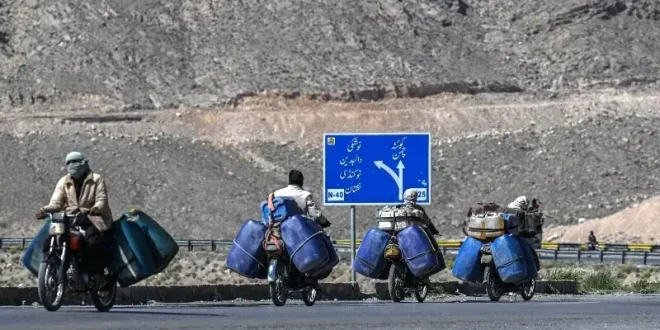
According to sources within Pakistan’s oil sector, the flow of smuggled Iranian petroleum products has seen a drastic reduction over the past month and a half. This decline, estimated at a substantial 60%, is attributed to a series of attacks on oil tankers operating within Balochistan, with at least six vessels reportedly destroyed. While the exact number and perpetrators remain unconfirmed, the impact on those involved in the illegal trade has been severe, leading to heavy losses and a significant slowdown of operations.
This development follows a period where the influx of Iranian oil had surged. The news attributes this initial increase to a purported “US-Israeli war on Tehran” that commenced on February 28th, driving crude oil prices above $100 per barrel and creating global energy market instability. The conflict’s claimed closure of the vital Strait of Hormuz—a chokepoint responsible for a fifth of global oil and LNG, and a third of the world’s fertilizer trade—sent shockwaves across the globe, threatening energy reserves in import-dependent nations like Pakistan.
Background: A Confluence of Geopolitics, Economy, and Necessity
Pakistan’s relationship with Iranian oil, particularly its smuggled variant, is a complex one, deeply intertwined with geopolitical realities, economic pressures, and regional dynamics. Historically, the porous border between Iran and Pakistan, especially through Balochistan, has facilitated a robust informal trade network. For years, legitimate oil companies in Pakistan have decried the widespread smuggling of Iranian petroleum, which undercuts legal markets and revenue collection.
However, the context shifted dramatically with the onset of the reported “US-Israeli war on Tehran.” In an environment where global crude oil prices soared and the critical Strait of Hormuz faced closure, the world braced for a severe energy crisis. For Pakistan, a nation heavily reliant on imported fuel – with petroleum products typically constituting 22-25% of its total import bill (amounting to $16.86 billion in FY26 and $15.94 billion in FY25) – the situation was precarious. The disruption of formal supply chains, coupled with escalating costs, created an urgent need for accessible fuel.
It was in this void that smuggled Iranian oil ironically played a pivotal, albeit illicit, role. Despite its illegality, the availability of these products in provinces from Balochistan to Sindh, and reportedly even in Punjab, acted as a crucial buffer. This informal supply helped Pakistan avert the kind of severe energy rationing experienced by other South Asian nations like India, Bangladesh, and Sri Lanka during periods of supply crunch. Many in trade and industry circles believe this illicit inflow was deliberately overlooked by authorities, prioritising national energy stability over immediate enforcement during the crisis.
Impact on Pakistan: From Crisis Aversion to Renewed Vulnerability
The reported 60% drop in Iranian oil smuggling presents a multifaceted challenge for Pakistan. While the initial surge of smuggled fuel provided an unexpected lifeline during a critical period, its sudden reduction now threatens to expose Pakistan to renewed energy supply vulnerabilities and economic strains.
Firstly, the immediate impact could be felt in increased pressure on Pakistan’s formal oil import channels. With a significant portion of its informal supply curtailed, the country will likely have to ramp up legal imports to meet domestic demand. This translates to a higher import bill, potentially exacerbating current account deficits and foreign exchange pressures, especially if global oil prices remain elevated. The financial burden on the national exchequer and, ultimately, on the consumers (as the government consistently passes on price increases) will be substantial.
Secondly, the reduction in smuggled oil heightens concerns about domestic fuel availability. While Pakistan successfully avoided rationing during the height of the crisis, the sudden cessation of a substantial informal supply line could lead to localized shortages, price spikes, and operational disruptions across various sectors. The reliance on this illicit trade, even if temporary, created an artificial cushion that is now being removed.
Thirdly, the reported “terrorist” attacks in Balochistan introduce a grave security dimension. This region, already grappling with insurgency and economic challenges, is now witnessing direct disruptions to economic activities, even those that are illicit. The instability could further deter legitimate investment and trade, while highlighting the need for robust security measures across key transit routes.
Beyond oil, Pakistan’s illegal trade with Iran is substantial, exceeding $2 billion annually and encompassing various goods from edible oils to consumer products. The disruption to the oil trade could signal a broader crackdown or increased instability affecting this wider informal economy, which, while detrimental to state revenue, provides livelihoods for many and affordable goods for consumers.
Analysis: The Unfolding Energy Dilemma
The reduction in Iranian oil smuggling offers a complex narrative of Pakistan’s ongoing energy dilemma, underscored by regional volatility. On one hand, the government’s purported “deliberate ignorance” of the smuggling during the “war” highlights a pragmatic, albeit controversial, approach to crisis management. It underscores how, in times of extreme geopolitical pressure, unconventional means can temporarily shore up national stability, even if at the cost of legal and fiscal integrity. The availability of these cheaper, untaxed products helped manage public discontent and prevented a full-blown energy catastrophe.
However, this strategy was always a double-edged sword. Smuggling undermines local industries, evades taxes, and fosters an environment of lawlessness. The current decline, whether enforced or a consequence of external attacks, removes this ‘safety valve’ and forces Pakistan to confront its underlying energy vulnerabilities head-on. The “terrorist” attacks, if confirmed, also reveal how regional conflicts can create new theaters of instability, impacting not only formal supply chains but also the shadow economies that emerge in their wake.
Pakistan’s long-term energy security requires more than just crisis management; it demands diversified import sources, investment in domestic energy exploration, and the development of alternative energy solutions. Relying on illicit trade, even in an emergency, is unsustainable and carries significant risks. The challenge now for Islamabad is to absorb the shock of this reduction in smuggled oil, ensure stable formal supplies, and manage the ensuing economic implications, all while navigating a volatile regional landscape.
The reported events serve as a stark reminder of how geopolitical tensions, even those seemingly distant, can directly impact a nation’s energy supply and economic stability through intricate and often illicit channels. As Pakistan moves forward, a transparent, verified understanding of the tanker attacks and a robust, sustainable energy policy will be crucial to securing its future against an ever-unpredictable global environment.