Dost Pakistan Journeys Tours and safaris in the North & South Pakistsn
Related Articles


“`html
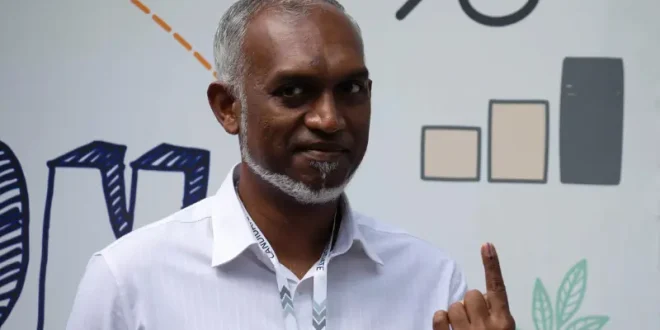
Maldives President’s Pakistan Visit: Charting New Horizons in Bilateral Ties
Maldives President Dr. Mohamed Muizzu’s arrival in Pakistan for a three-day state visit signifies a crucial juncture in the bilateral relationship, aiming to deepen cooperation across various sectors and strategically align the two nations amidst evolving regional dynamics.
The News: A Renewed Diplomatic Engagement
Maldives President Dr. Mohamed Muizzu embarked on a significant three-day official visit to Pakistan, marking the first such high-level diplomatic exchange in over a decade. Responding to an invitation from Prime Minister Shehbaz Sharif, the visit carries considerable symbolic weight, as it coincides with the 60th anniversary of the establishment of diplomatic relations between the two countries in 1966.
The itinerary for President Muizzu includes extensive discussions with Pakistan’s President Asif Ali Zardari, who will also host a state banquet in his honor, and Prime Minister Shehbaz Sharif. The talks are expected to span a wide array of subjects, from a comprehensive review of existing bilateral ties to the exploration of new collaborative ventures. Key areas of focus include trade, investment, healthcare, education, tourism, agriculture, defense, maritime security, and climate change, alongside initiatives to bolster people-to-people exchanges.
A notable event planned during the visit is the Pakistan-Maldives Business Forum. This initiative aims to create a direct platform for the business communities of both nations to interact, identify, and capitalize on opportunities for trade and investment. Anticipation is high for the signing of several agreements and Memorandums of Understanding (MoUs) that will cover a diverse range of bilateral cooperation areas. Underscoring the importance of this engagement, a high-level Maldivian delegation, led by Foreign Minister Iruthisham Adam and comprising other cabinet ministers and senior officials, arrived in Islamabad prior to President Muizzu.
Background: Geopolitical Currents and Shared Aspirations
This high-profile visit by the Maldivian President to Pakistan is not merely a routine diplomatic gesture; it unfolds within a broader context of dynamic geopolitical shifts in the Indian Ocean region and a concerted effort by both nations to diversify and strengthen their international partnerships. Under President Muizzu’s leadership, the Maldives has signaled a noticeable reorientation of its foreign policy, moving towards greater strategic autonomy and broadening its diplomatic and security relationships beyond traditional partners. His electoral campaign, famously centered on an “India Out” platform, underscored a national desire to explore alternative alliances, making a strengthened relationship with Pakistan a logical progression in this new diplomatic trajectory.
For Pakistan, this engagement aligns perfectly with its foreign policy objectives of deepening ties with fellow Muslim-majority nations, particularly those strategically positioned in the Indian Ocean. Pakistan aims to expand its influence, foster economic collaborations, and contribute to regional stability. It views the Maldives not just as a member of SAARC but as a valuable maritime partner. Historically, relations have been cordial, with previous state visits, such as that of former Maldivian President Abdulla Yameen in 2015, establishing a foundation for the current renewed push.
Economically, both countries present complementary opportunities. The Maldives, a global tourism hotspot, seeks diversified import sources and service providers for its growing economy. Pakistan, with its substantial consumer market, agricultural capacity, and expanding service sectors (including IT, healthcare, and education), can offer valuable resources and expertise. The celebration of 60 years of diplomatic relations provides a symbolic backdrop, reinforcing a long-standing friendship now poised for more substantive and tangible cooperation.
Impact on Pakistan: Diplomatic Resonance and Economic Pathways
President Muizzu’s visit carries significant implications and potential benefits for Pakistan across multiple dimensions:
- Enhanced Diplomatic Profile: Hosting a leader known for his independent foreign policy stance allows Pakistan to project itself as a key regional player and a reliable partner for nations seeking to balance their international relations. It strengthens Pakistan’s diplomatic outreach within the Indian Ocean region.
- Economic Growth Opportunities: The visit is expected to pave the way for increased bilateral trade and investment. Pakistan stands to boost its exports of agricultural produce, pharmaceuticals, textiles, and construction materials to the Maldives. Concurrently, Pakistan could attract Maldivian investments, particularly in its growing tourism sector, and offer competitive services in education and healthcare. The proposed Business Forum is crucial for translating political intent into concrete commercial ventures.
- Strategic & Maritime Cooperation: Discussions on maritime security and defense cooperation hold strategic value. This could lead to initiatives such as joint training programs, knowledge sharing, and cooperation on oceanographic research, vital for maintaining peace and security in the shared Indian Ocean waters.
- Soft Power & Cultural Exchange: Collaborative efforts in education, healthcare, and cultural programs can significantly enhance Pakistan’s soft power. Pakistani educational institutions and medical facilities could become preferred destinations for Maldivian students and patients, fostering deeper cultural and human connections.
- Regional Strategic Alignment: From a broader geopolitical standpoint, strengthening ties with the Maldives offers Pakistan an opportunity to engage with a nation actively diversifying its partnerships. This move aligns with a strategy of fostering balanced relationships within the dynamic South Asian and Indian Ocean geopolitical landscape.
Analysis: Beyond Bilateralism – A Strategic Overture
President Muizzu’s visit to Pakistan transcends the scope of routine bilateral diplomacy; it represents a strategic overture with profound implications for both nations and the wider Indian Ocean region. For the Maldives, it unequivocally signals its commitment to a multi-faceted foreign policy, designed to reduce reliance on any single power and cultivate partnerships that resonate with its national interests and sovereignty. Pakistan, as a sizable Muslim-majority nation with significant military and economic potential, presents itself as an appealing alternative or complementary partner in this evolving diplomatic landscape for the Maldives.
The explicit focus on trade, investment, and specific sectoral cooperation in health and education is highly pragmatic. These are areas where Pakistan possesses substantial capacity, and the Maldives has clear developmental needs. While the immediate economic impact might be incremental, the visit is instrumental in laying the groundwork for substantial future growth. The tangible success of the Pakistan-Maldives Business Forum and the diligent implementation of the anticipated MoUs will be key metrics for evaluating the visit’s long-term achievements.
From a strategic perspective, the inclusion of maritime security and climate change in the discussions highlights shared vulnerabilities and mutual interests. Both nations are acutely susceptible to the impacts of climate change, particularly rising sea levels for the Maldives and coastal threats for Pakistan. Collaborative efforts in these critical domains can yield significant mutual benefits and bolster regional resilience.
However, challenges remain. Translating agreements into concrete action requires sustained political will, dedicated financial resources, and robust institutional frameworks. Geographical distance and logistical complexities can sometimes pose impediments to deeper economic integration. Furthermore, the delicate geopolitical balance within the Indian Ocean means that any burgeoning partnership will be closely observed by other regional and global powers, requiring careful navigation.
Ultimately, this visit solidifies Pakistan’s standing as a relevant and engaged actor in the Indian Ocean’s dynamic security and economic environment. For the Maldives, it strategically enhances its international depth and marks a vital step in diversifying its global portfolio. The coming years will be crucial in determining whether this renewed engagement blossoms into a sustained, impactful partnership that delivers tangible benefits for the citizens of both nations and contributes positively to a more stable and prosperous region.
“`