Dost Pakistan Journeys Tours and safaris in the North & South Pakistsn
Related Articles


Mideast Ceasefire in Peril: US-Iran Strikes Threaten Regional Stability and Global Energy
The delicate balance of power in the Middle East has once again been rattled as the United States and Iran exchanged military strikes. This latest escalation, following Washington’s accusation that Tehran targeted a commercial cargo ship in the vital Strait of Hormuz, casts a long shadow over an already fragile ceasefire and ongoing diplomatic efforts to forge a lasting peace in the region.
The Immediate Flare-Up: Strikes and Retaliation
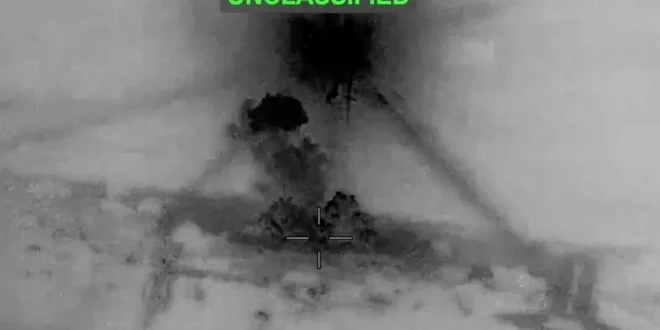
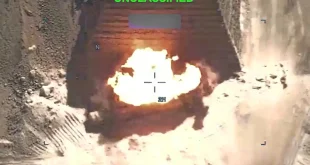
US Central Command confirmed that American forces launched strikes against Iranian missile and drone storage sites, alongside coastal radar positions. These actions were presented as a direct response to what the US termed “unwarranted aggression against commercial shipping,” an act explicitly deemed a violation of the existing ceasefire agreement. President Donald Trump underscored this, labeling the incident a “foolish violation,” while Vice President JD Vance issued a stark warning that “violence will be met with violence” should further attacks occur.
Iran’s response was swift. State television reported that the Revolutionary Guards retaliated by targeting US sites in the Gulf, emphasizing that their response would be “broader” if the aggression persisted. This cycle of strike and counter-strike highlights the inherent instability of the current situation, jeopardizing maritime security and deepening fears of a wider conflict.
Context: A Region on Edge
To understand the gravity of these recent events, it’s crucial to recall the broader geopolitical landscape. The region has been gripped by an undeclared war that officially escalated on February 28 with US and Israeli strikes against Iran. This led to a ceasefire agreement, which, while bringing a temporary halt to overt hostilities, has done little to resolve the deep-seated mistrust and strategic rivalries between Washington and Tehran.
The Strategic Strait of Hormuz
Central to this dynamic is the Strait of Hormuz. This narrow waterway, connecting the Persian Gulf with the Arabian Sea, is a chokepoint through which roughly a fifth of the world’s oil and natural gas supplies transit daily. Iran has historically leveraged its geographical position to assert influence over the Strait, periodically issuing warnings or disrupting shipping. The recent attack on a commercial vessel and Iran’s subsequent threats against unauthorized passage underscore its willingness to use this strategic asset as a bargaining chip. Any sustained disruption here sends immediate ripples through global energy markets and can severely impact international trade.
The Lebanese Front and Nuclear Concerns
Adding layers of complexity, parallel diplomatic efforts reveal the multifaceted nature of the conflict. A US-brokered agreement between Israel and Lebanon aimed at establishing a framework for peace on their shared border was hailed by Washington and Tel Aviv as a crucial step. However, Hezbollah, a powerful Iranian-backed Lebanese political and militant group, vehemently rejected the deal, viewing it as an attempt to undermine the broader US-Iran ceasefire and Iran’s regional influence. This illustrates the challenge of isolating regional conflicts from the overarching US-Iran rivalry.
Concurrently, the International Atomic Energy Agency (IAEA) chief, Rafael Grossi, reiterated the critical need for robust safeguards in any final US-Iran settlement to prevent Tehran from developing nuclear weapons. Despite Iran’s stated intention not to pursue such arms, its continued enrichment of uranium, estimated pre-war at 440 kilogrammes to 60 percent purity, remains a major international concern and a key sticking point in negotiations. The interim agreement’s call for “downblending” this stockpile under IAEA supervision underscores the immense trust deficit that must be overcome.
Impact on Pakistan: Navigating a Volatile Neighbourhood
Pakistan, as a geographically proximate nation to Iran and a significant player in the broader Islamic world, is acutely sensitive to any escalation in the Middle East.
Economic Repercussions
- Energy Security: As a net importer of oil, Pakistan is highly vulnerable to price hikes triggered by disruptions in the Strait of Hormuz. Escalation directly translates to increased import bills, impacting inflation and foreign exchange reserves.
- Trade Routes: Maritime trade through the Gulf is crucial for Pakistan. Any instability or increased security risks can disrupt supply chains, increase shipping costs, and deter foreign investment.
- Remittances: A large Pakistani diaspora resides and works in the Gulf states. Regional instability can threaten their livelihoods, potentially impacting remittances, which are vital for Pakistan’s economy.
Geopolitical Balancing Act
- Regional Stability: Direct conflict between the US and Iran would inevitably destabilize Pakistan’s western border region, potentially leading to refugee flows or increased security threats.
- Diplomatic Challenges: Pakistan maintains historical and cultural ties with Iran, while also fostering strategic partnerships with Saudi Arabia and having significant engagement with the United States. Islamabad faces the delicate task of navigating these complex relationships without alienating any major power, a balancing act made harder by escalating tensions.
- Energy Corridors: Long-standing projects, such as the Iran-Pakistan (IP) gas pipeline, face perennial challenges due to US sanctions and regional instability. Heightened tensions further complicate the realization of such crucial energy projects for Pakistan.
Analysis: A High-Stakes Stalemate
The recent exchange of blows between the US and Iran starkly illustrates the precarious nature of the current ceasefire. It’s not a cessation of conflict but rather a temporary pause, susceptible to eruption at any minor provocation. The underlying issues – Iran’s regional ambitions, its nuclear program, and the US’s commitment to containing Tehran – remain unresolved.
Strategic Posturing Amidst Negotiations
Both Washington and Tehran appear to be engaged in a high-stakes strategic dance. The US, under President Trump, is demonstrating resolve to protect international shipping and deter further Iranian aggression, aiming to strengthen its negotiating position for a broader settlement. The warnings from Trump and Vance signal a clear intent to meet force with force. Conversely, Iran’s swift retaliation and warning of a “broader response” communicate its refusal to be intimidated, projecting strength to domestic and regional audiences even as it seeks a resolution to the larger conflict. Each side seeks to gain leverage in ongoing, albeit fraught, diplomatic channels.
The Threat of Miscalculation
The most immediate danger lies in miscalculation. An unintended incident, a faulty intelligence report, or an overly aggressive response from either side could easily spiral out of control, igniting a full-scale war. The Strait of Hormuz, with its critical economic importance, remains a primary flashpoint, where such a misstep could have global repercussions beyond the immediate region.
Fragmented Peace Efforts
The attempts to compartmentalize peace efforts, such as the Lebanon framework, underscore the difficulty of achieving a comprehensive regional settlement. While such agreements might offer local stability, they struggle to gain traction against the backdrop of the overarching US-Iran rivalry, which often leverages proxy forces like Hezbollah. True, lasting peace in the Middle East requires addressing the fundamental geopolitical fissures, not just their symptoms.
Ultimately, the latest US-Iran strikes serve as a stark reminder of the fragile state of affairs in the Middle East. While diplomatic channels remain open, the path to a lasting settlement is fraught with challenges. The world watches anxiously, hoping that rational calculations prevail over rash actions, preserving regional stability and safeguarding the global economy from further shocks.