Dost Pakistan Journeys Tours and safaris in the North & South Pakistsn
Related Articles



“`html
Pakistan-China Pharma Deals: A Game Changer for Healthcare Manufacturing
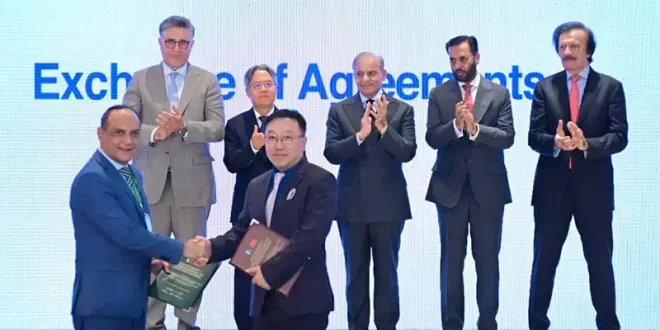
The recent two-day Pakistan-China Pharmaceutical and Healthcare B2B Investment Conference concluded with significant momentum, as agreements totaling $850 million were finalized. This landmark event, bringing together hundreds of companies from both nations, signals a strategic pivot in Pakistan’s healthcare sector, moving towards greater self-reliance and industrial collaboration.
The New Dawn for Pakistan’s Pharma Sector
Federal Health Minister Mustafa Kamal heralded the successful conclusion of the conference, which saw the signing of 16 contracts and 80 Memoranda of Understanding (MoUs). These agreements comprise $600 million in direct contracts and $250 million in MoUs, marking a substantial commitment from Chinese investors.
A notable aspect of these deals is the inclusion of 18 agreements specifically related to herbal medicines, highlighting a growing interest in traditional remedies. Beyond immediate investment, the focus remains firmly on local production – particularly for health equipment, crucial pharmaceutical raw materials, and the 13 types of vaccines currently imported by Pakistan. The minister also emphasized advancements in regulatory processes, with the Drug Regulatory Authority of Pakistan (DRAP) digitalizing over 80% of its services and achieving international recognition through WHO prequalification for local drug testing laboratories.
Contextualizing the Collaboration: Addressing Pakistan’s Healthcare Challenges
For decades, Pakistan’s pharmaceutical sector has grappled with significant challenges, primarily a heavy reliance on imports. A staggering 90% of pharmaceutical raw materials are sourced from abroad, making the industry vulnerable to global supply chain disruptions and currency fluctuations. The country also imports all 13 essential vaccines, with projections indicating an import bill potentially reaching $1.2 billion by 2030 – a major drain on precious foreign exchange reserves.
This import dependency not only impacts national finances but also affects medicine affordability and accessibility for the general public. Against this backdrop, the Pakistan-China collaboration gains strategic importance. It aligns with the broader framework of the China-Pakistan Economic Corridor (CPEC), which is increasingly expanding beyond infrastructure into industrial and social sectors. This move signifies a deeper commitment to fostering sustainable economic growth and strengthening bilateral ties through knowledge and technology transfer, crucial for Pakistan’s long-term industrialization goals.
Transformative Impact on Pakistan’s Economy and Public Health
The implications of these agreements for Pakistan are multifaceted and potentially transformative:
- Economic Growth & Foreign Exchange Savings: Local manufacturing of raw materials and vaccines will directly reduce Pakistan’s import bill, saving significant foreign exchange. The projected $1.2 billion vaccine import cost by 2030 underscores the critical need for this shift.
- Job Creation & Skill Development: Investment in new manufacturing facilities and the promotion of vocational training will create numerous employment opportunities, addressing a key economic challenge for the country.
- Technology Transfer & Industrial Upgradation: Chinese expertise and investment will facilitate the transfer of advanced pharmaceutical manufacturing technologies, elevating Pakistan’s industrial capabilities and standards.
- Enhanced Healthcare Accessibility & Affordability: Domestic production is expected to lower medicine prices, making essential drugs more accessible and affordable for the Pakistani population, directly improving public health outcomes.
- Boost to Herbal Medicine Sector: The focus on herbal medicines taps into a growing global market, offering new avenues for exports and promoting traditional medicine practices.
- Strengthened Regulatory Environment: DRAP’s digitalization and WHO prequalification enhance the credibility and efficiency of Pakistan’s regulatory framework, paving the way for greater international collaboration and export potential.
- Diversification of CPEC: This initiative showcases the evolving nature of CPEC, extending its benefits beyond infrastructure to critical human development sectors like healthcare.
A Strategic Leap Towards Self-Sufficiency and Regional Leadership
The Pakistan-China pharmaceutical agreements represent more than just financial transactions; they symbolize a strategic leap for Pakistan towards self-sufficiency in a vital sector. By addressing the core issues of import dependency in raw materials and vaccines, Pakistan is laying the groundwork for a more resilient and sustainable healthcare system.
The emphasis on local production and technology transfer is particularly crucial. It reflects a shift from merely consuming imported goods to becoming a producer, fostering indigenous industrial growth. The digitalization of DRAP services and international recognition from WHO further bolster Pakistan’s position, signaling a commitment to quality and transparency that is essential for attracting sustained investment and facilitating exports.
However, successful implementation will require sustained political will, efficient bureaucratic processes, and continuous capacity building. Challenges such as ensuring consistent quality standards, navigating intellectual property complexities, and maintaining a competitive manufacturing environment will need careful management. Should these initiatives be executed effectively, Pakistan could not only secure its own healthcare needs but also emerge as a significant regional hub for pharmaceutical manufacturing, leveraging its strategic location and growing industrial capabilities.
Ultimately, this collaboration underscores a proactive approach by Pakistan to leverage its strong bilateral ties with China for national development, promising a healthier population and a more robust economy for years to come.
“`