Dost Pakistan Journeys Tours and safaris in the North & South Pakistsn
Related Articles


“`html
Balochistan’s Precarious Peace: Unpacking the Quetta Sit-in Resolution
The News: A Hard-Won Truce in Quetta
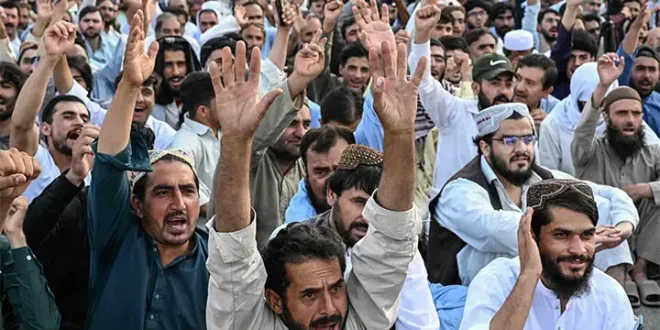
After nine days of an agonizing sit-in in Quetta, where families of policemen martyred in recent deadly attacks in Ziarat had refused to bury their loved ones, an agreement has finally been reached. The Balochistan government, alongside a multi-party alliance, secured a pact with the grieving families late Friday night, promising to establish a judicial commission to investigate the tragic incidents in Hanna Urak and the Mangi dam area of Ziarat.
The prolonged protest, held at Quetta’s Koyila Phatak, garnered immense public support, culminating in a province-wide shutter-down strike. Businesses, markets, and transport across Balochistan remained suspended in a powerful show of solidarity, backed by traders’ organizations and all opposition parties. While the families of Hanna Urak victims had previously called off their protest upon the safe return of abducted tribesmen, the relatives of the slain police personnel continued their vigil, underscoring the severity of their demands for justice and accountability.
Balochistan’s Troubled Landscape: A Cycle of Violence and Grievances
To understand the intensity of the Quetta sit-in and the widespread support it commanded, one must delve into Balochistan’s long and complex history. Pakistan’s largest province by area, Balochistan, is rich in natural resources but has historically suffered from underdevelopment and a pervasive sense of political and economic marginalization. This has fueled various nationalist insurgencies, coupled with sectarian violence and the presence of militant groups, creating a deeply unstable security environment.
For decades, law enforcement agencies, including the police and paramilitary forces, have been on the front lines, frequently targeted in ambushes, bombings, and assassinations. These constant threats not only result in tragic loss of life but also erode public confidence in the state’s ability to protect its citizens and maintain order. The Ziarat and Hanna Urak areas, where these latest attacks occurred, are unfortunately no strangers to such violence, often serving as flashpoints in the broader conflict.
In this context, public protests like the Quetta sit-in become powerful expressions of frustration and desperation. The act of refusing to bury martyrs’ bodies, a deeply symbolic gesture, serves as a poignant appeal for justice and demands immediate government attention, placing immense pressure on authorities to address not just the specific incident but also the underlying systemic failures.
Beyond the Protest: Ramifications for Pakistan’s Security and Governance
The nine-day sit-in and the subsequent province-wide strike had significant ramifications that extend beyond the immediate resolution:
- Heightened Security Concerns: The attacks underscore the persistent threat to security personnel in Balochistan, highlighting critical intelligence and operational gaps that need urgent addressing to prevent future casualties.
- Erosion of Public Trust: Such prolonged protests, rooted in perceived government inaction or inability to protect its citizens, further diminish public trust in state institutions. The demand for a judicial commission reflects a desire for transparent accountability often lacking in previous investigations.
- Economic Disruption: The shutter-down strike, while a potent form of peaceful protest, severely impacts the local economy. In an already economically fragile region, this disruption adds another layer of hardship for traders and daily wage earners, creating a cycle of resentment.
- Governance Challenges: The provincial government faced immense pressure to negotiate and deliver on demands. While an agreement has been reached, the true test lies in the swift and impartial constitution of the judicial commission and its ability to deliver justice. The warning from traders about “stronger demonstrations” if demands are not met signals the fragility of the current peace.
- Political Dynamics: The involvement of a multi-party alliance and opposition parties in mediating the protest highlights the complex political landscape. While necessary for resolution, it also adds layers of political maneuvering to what are fundamentally human rights and security issues, as acknowledged by ministers discussing the challenges of engaging with “political parties rather than affected families.”
Analysis: Beneath the Surface of the Quetta Agreement
The agreement to form a judicial commission marks a crucial step towards de-escalation, but it’s a resolution built on fragile foundations. It highlights several critical aspects of governance and public sentiment in Balochistan:
The Power of Collective Dissent and Public Solidarity
The 9-day sit-in, particularly with the harrowing visual of martyrs’ bodies, effectively mobilized public opinion and forced government action. The province-wide strike solidified this pressure, demonstrating that peaceful, yet firm, collective action remains a powerful tool for demanding accountability. It sends a clear message that the populace will not silently accept recurrent violence and perceived governmental negligence.
A Test of Trust and Accountability
The demand for a judicial commission isn’t merely a procedural request; it’s a profound call for transparency and genuine accountability. For too long, families of victims in Balochistan have lamented the lack of definitive answers or justice. The efficacy and independence of this commission will be paramount in rebuilding trust between the state and its citizens. If it fails to deliver timely, credible results, it could further deepen public cynicism and fuel future unrest.
The Road Ahead: Sustained Peace or Recurring Crisis?
While the immediate crisis has been averted, the core issues plaguing Balochistan – persistent insecurity, militant activity, and deep-seated grievances – remain unaddressed. The agreement is a temporary truce, not a definitive solution. The provincial and federal governments face the arduous task of not only implementing the terms of this agreement but also formulating a comprehensive, long-term strategy. This strategy must encompass enhanced security measures, improved intelligence gathering, socio-economic development, and genuine political dialogue to address the root causes of discontent.
The traders’ warning of stronger protests if demands aren’t met serves as a stark reminder that public patience is thin. The current resolution offers a window of opportunity for the government to demonstrate its commitment to justice, security, and the well-being of Balochistan’s people. Failure to capitalize on this moment could see the province once again plunge into a cycle of protests and violence, further destabilizing an already volatile region and hindering Pakistan’s overall progress.
“`