 Dost Pakistan Journeys Tours and safaris in the North & South Pakistsn
Related Articles

Masherbrum Fatality: Examining the Risks in Pakistan’s Booming Karakoram Climbing Season
The allure of the world’s highest peaks draws adventurers from across the globe to Pakistan’s majestic Karakoram Range each summer. Yet, as the climbing season of 2026 hits its stride, it carries with it a stark reminder of the inherent dangers, marked by a tragic incident on one of its most formidable mountains.
The News: A Tragic Start to Pakistan’s High-Altitude Season
The mountaineering community is reeling from the news of Czech climber Bansky Jaroslav’s death on Masherbrum, a 7,821-meter peak in Pakistan’s Karakoram that stands as one of the most technically demanding and rarely ascended mountains in the range. Jaroslav, part of an international expedition, tragically fell from a cliff near Camp I. This incident marks only the second known attempt on Masherbrum in nearly five decades, underscoring its extreme challenge and Jaroslav’s ambitious pursuit.
This fatality follows closely on the heels of another loss this season: French climber Guillaume Pierrel, who perished in an avalanche on K-6 in June. Despite these tragedies, Pakistan’s summer climbing season remains vibrant. The Gilgit-Baltistan Tourism Department has issued dozens of permits to foreign expeditions targeting several of the world’s highest mountains, including K2, Gasherbrum I and II, and Broad Peak. With a stable weather window anticipated, teams are actively establishing camps, fixing ropes, and preparing for summit pushes, even as the season on Nanga Parbat recently concluded with successful ascents.
Background: Pakistan’s Mighty Peaks and the Allure of the Karakoram
Pakistan is a titan in the world of high-altitude mountaineering, home to five of the planet’s fourteen 8,000-meter peaks. The Karakoram Range, in particular, is renowned for its raw beauty, dramatic verticality, and technical complexity, attracting elite climbers seeking unparalleled challenges. Mountains like K2, the world’s second-highest, and the Gasherbrum massif are annual magnets for expeditions.
Masherbrum, also known as K1, holds a special, almost mythical status. Its formidable reputation for extreme technical difficulty, combined with its remote location, has kept it largely untouched for decades. Unlike some of its more frequently summited neighbours, Masherbrum demands exceptional skill, robust logistics, and an unyielding will. Every attempt is a testament to extraordinary ambition and meticulous preparation, yet even the most seasoned climbers understand the fine line between triumph and disaster in such an environment. The inherent risks—from unpredictable weather and avalanches to rockfalls and the physiological toll of extreme altitude—are ever-present, demanding constant vigilance and respect.
Impact on Pakistan: Tourism, Economy, and Reputation
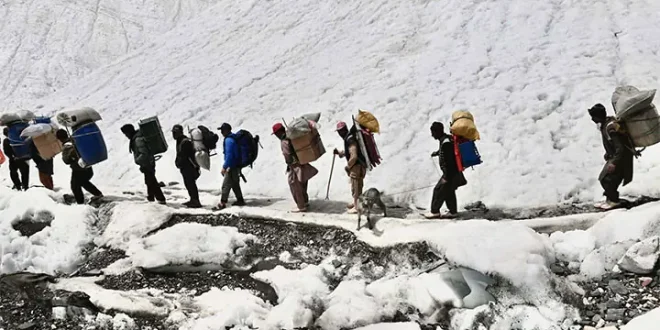
The annual climbing season is a critical driver of adventure tourism and a significant contributor to Pakistan’s economy, particularly for the remote regions of Gilgit-Baltistan. The issuance of mountaineering and trekking permits generates vital revenue, but the economic impact extends far beyond this. Foreign expeditions create thousands of seasonal jobs for local porters, guides, cooks, and support staff, injecting much-needed foreign exchange into local communities. Hotels, transportation services, and various logistical operators also benefit immensely from the influx of climbers and trekkers.
These expeditions also solidify Pakistan’s global standing as a premier destination for high-altitude adventure. While tragic incidents like those on Masherbrum and K-6 are deeply unfortunate and can cast a temporary shadow, the overwhelming majority of expeditions conclude without major incident. The government and local authorities, through departments like the Gilgit-Baltistan Tourism Department, play a crucial role in facilitating these expeditions, ensuring proper documentation, and often assisting in rescue and recovery efforts when tragedies occur. The continued flow of permits and the ongoing success on other major peaks demonstrate the enduring appeal of Pakistan’s mountains, which far outweighs the inherent, albeit devastating, risks.
Analysis: Balancing Ambition with Safety in Extreme Environments
The tragic loss of Bansky Jaroslav on Masherbrum underscores the perpetual high-stakes gamble inherent in extreme mountaineering. While climbers are drawn by the unparalleled sense of achievement and the pursuit of unclimbed routes, these ambitions are always pitted against the brutal realities of the world’s highest peaks. The fact that Masherbrum has remained largely unconquered for half a century speaks volumes about its objective hazards, challenging even the most experienced teams.
As the popularity of high-altitude climbing continues to grow, so does the discussion around safety protocols, climber preparedness, and the role of expedition operators. Professional outfits like Seven Summit Treks are vital in managing logistics, establishing routes, and providing essential support, yet they cannot eliminate all risks. Even with meticulous planning, robust gear, and experienced teams, the “human factor”—fatigue, decision-making under stress, and individual physical limits—combined with the unpredictable nature of mountain weather and terrain, means that accidents remain an unfortunate, though infrequent, reality.
The concurrent success on other major peaks this season, alongside the two fatalities, highlights the dual narrative of modern high-altitude climbing: it is both a highly organized, often successful pursuit of human endurance and a stark arena where consequences can be absolute. While the allure of the Karakoram’s giants will undoubtedly continue to draw adventurers, these tragedies serve as sobering reminders for all stakeholders – climbers, operators, and authorities – to continuously review and reinforce safety practices, fostering a culture of respect for the mountains and a realistic understanding of the risks involved in chasing the ultimate vertical dream.
