Dost Pakistan Journeys Tours and safaris in the North & South Pakistsn
Related Articles


“`html
Gilgit-Baltistan’s Urgent Climate Call: The Push for a Special Green Fund
As climate change intensifies, Gilgit-Baltistan, Pakistan’s high-altitude treasure, faces an existential threat. Its recent plea for a dedicated ‘green fund’ underscores a critical juncture for both regional survival and national stability.
The News
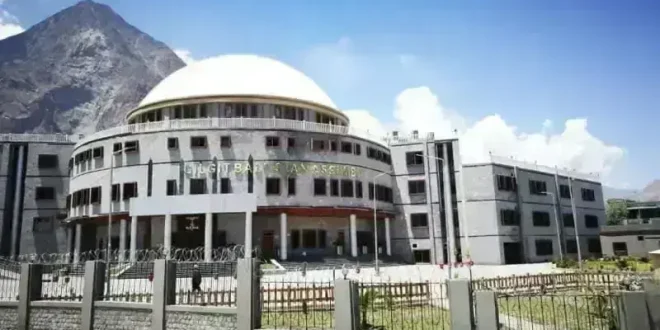
In a significant move, the Gilgit-Baltistan (GB) Assembly has unanimously passed a resolution urging the federal government of Pakistan to establish a “special green fund.” This fund is proposed as a vital mechanism to protect the region’s rapidly melting glaciers and safeguard its highly fragile ecosystem from the devastating impacts of global warming. The lawmakers also called for comprehensive compensation, recognition of water rights, and the provision of water royalty through development packages, citing principles of justice and fairness.
The resolution further demanded that the federal ministries of climate, water, and planning collaboratively develop a robust plan for glacier protection. This aligns with GB’s recent initiative to establish a dedicated Glaciers Protection Authority. While acknowledging the external factors like carbon emissions from neighboring countries, local legislators also highlighted internal pressures such as unplanned tourism and construction as exacerbating the environmental crisis, leading to frequent glacial lake outburst floods (GLOFs) and infrastructure damage.
Compounding these demands, the Opposition leader raised serious concerns regarding the alleged misuse of existing climate change impact funds, calling for an immediate investigation into billions of rupees reportedly allocated without clear accountability. GB’s Chief Minister conceded the region’s limited financial capacity to handle rehabilitation efforts for flood victims, indicating a damage assessment report would be submitted to the federal government for necessary support.
Background: Gilgit-Baltistan – The Water Tower on the Frontline
Gilgit-Baltistan, often referred to as the “Roof of the World” or the “Water Tower of Asia,” is a region of immense strategic and ecological importance. It hosts over 7,000 glaciers, more than any other place outside the polar regions, serving as the primary freshwater source for Pakistan’s Indus River System. This makes GB intrinsically linked to the agricultural backbone and hydropower potential of the entire nation.
Despite contributing minimally to global greenhouse gas emissions, GB is disproportionately vulnerable to the consequences of climate change. The global rise in temperatures is accelerating the melt rate of its glaciers, leading to a cascade of environmental hazards:
- Glacial Lake Outburst Floods (GLOFs): Rapidly melting glaciers form vast lakes which can breach their natural dams, unleashing torrents of water and debris downstream. These events destroy infrastructure, agricultural land, and displace communities.
- Erratic Weather Patterns: Increased frequency of extreme weather events, including flash floods, landslides, droughts, and unseasonal snowfall, disrupting livelihoods and damaging ecosystems.
- Ecosystem Degradation: Loss of biodiversity, changes in vegetation patterns, and increased soil erosion, threatening the delicate balance of the mountainous environment.
Pakistan as a whole is consistently ranked among the top ten countries most susceptible to climate change impacts. The situation in GB is a stark manifestation of this national vulnerability. The demands from GB also touch upon the complex constitutional status of the region, which, not being a full province, often relies heavily on federal patronage for development and crisis management, making direct appeals to Islamabad crucial for its survival and prosperity.
Impact on Pakistan: Beyond Regional Boundaries
The environmental crisis in Gilgit-Baltistan is not merely a regional concern; it poses an existential threat to Pakistan’s national security, economy, and social fabric:
- Water Security Crisis: GB’s glaciers feed the Indus River, Pakistan’s lifeline. Initial increased meltwater might temporarily boost river flows, but the long-term prognosis is severe water scarcity, threatening the country’s agrarian economy and burgeoning population.
- Energy Security: Pakistan’s major hydropower projects, including Tarbela and Mangla, rely on glacial meltwater. Disruptions in water flow due to glacier retreat directly jeopardize national energy production.
- Increased Disaster Risk: GLOFs and flash floods originating in GB wreak havoc far downstream, destroying critical infrastructure, displacing millions, and straining national disaster management resources. The economic cost of rehabilitation and reconstruction after such events is immense.
- Food Security and Livelihoods: Agriculture, especially in Punjab and Sindh, is highly dependent on Indus waters. Any instability in water supply directly impacts crop yields, threatening food security and the livelihoods of millions of farmers.
- Economic Strain: The recurring cycle of natural disasters and the need for rehabilitation divert crucial funds from development projects, hindering economic growth and perpetuating poverty.
- National Cohesion: The demands for water royalty and compensation highlight a sense of regional injustice. Failure to address these concerns adequately could foster resentment and impact national cohesion, especially concerning resource distribution.
Analysis: A Call for Justice, Accountability, and Sustainable Futures
Gilgit-Baltistan’s urgent call for a special green fund and other forms of support is unequivocally justifiable. The region bears the brunt of a global crisis it did not create, while simultaneously providing an invaluable national resource – freshwater – to the entire country. The demands resonate with several key principles:
1. The “Polluter Pays” Principle (National & International): The argument that GB deserves compensation for external carbon emissions (from India and China) aligns with the international discourse on “loss and damage” for climate-vulnerable nations. While direct compensation from specific external countries is complex, at the national level, the federal government has an inherent responsibility to protect its vulnerable territories. The demand for water royalty is a complex but pertinent one, reflecting the region’s contribution to national resources and seeking equitable benefit, especially as these resources are endangered.
2. The Imperative for Dedicated Climate Finance: The need for a “special green fund” highlights a perceived inadequacy or lack of targeted allocation within existing climate change budgets. A dedicated fund, tailored to GB’s unique glaciated ecosystem, can ensure focused investment in critical adaptation measures like early warning systems, protective infrastructure (embankments), sustainable water management, and community resilience programs. This move aims to bypass potential bureaucratic hurdles and ensure resources directly address the specific challenges of glacier protection and GLOF mitigation.
3. Addressing Governance and Transparency: The Opposition leader’s allegations of widespread corruption and misuse of existing climate funds are a critical concern. Any new fund must be accompanied by stringent oversight, transparency mechanisms, and robust accountability frameworks to build public trust and ensure effective utilization of resources. This points to broader governance challenges in managing climate finance within Pakistan.
4. Local Solutions for Local Problems: While global climate change is the overarching threat, the resolution also acknowledges local exacerbating factors like unplanned tourism and construction. This underscores the need for integrated solutions that combine large-scale federal funding with localized policy interventions, sustainable development practices, and stringent environmental regulations to minimize human impact on the fragile ecosystem.
5. A Holistic Approach to Resilience: The call for a comprehensive plan from multiple federal ministries (climate, water, planning) signifies a recognition that glacier protection and climate resilience require a multi-sectoral, coordinated approach. The establishment of the Glaciers Protection Authority in GB is a positive step, but its effectiveness will depend heavily on robust federal financial and technical backing, integrated policy, and clear legislative support, especially concerning water rights.
In conclusion, Gilgit-Baltistan’s resolution is more than just a plea for funds; it is a profound call for environmental justice, national responsibility, and a proactive strategy to safeguard both the region and the very lifeline of Pakistan. Ignoring this urgent appeal risks not only the majestic glaciers of GB but also the water security, energy future, and stability of the entire nation. It’s a critical moment for Pakistan to demonstrate leadership in climate adaptation and ensure its most vulnerable regions are equipped to face the gravest challenge of our time.
Disclaimer: This analysis is based on the provided news summary and general knowledge about the region and climate change.
“`