Dost Pakistan Journeys Tours and safaris in the North & South Pakistsn
Related Articles



“`html
Rawalpindi’s Deepening Healthcare Crisis: A Microcosm of Pakistan’s Public Health Struggle
Rawalpindi, a bustling city in Pakistan, finds itself at the precipice of a severe healthcare crisis. The burgeoning population, coupled with chronic underfunding and a lack of regulation, has created a two-tiered system where quality medical care is either inaccessible or unaffordable for a vast majority. This precarious situation in Rawalpindi serves as a stark warning and a reflection of broader systemic failures within Pakistan’s public health infrastructure.
The News: Rawalpindi’s Unfolding Healthcare Nightmare
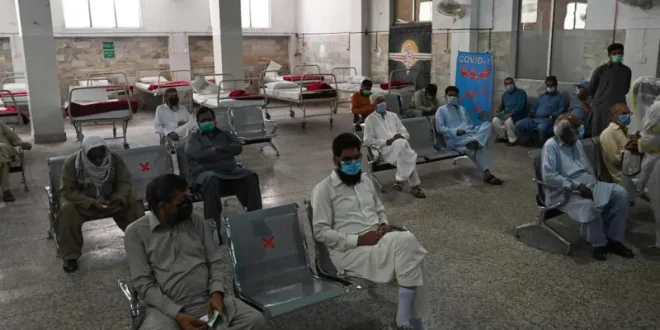
The core issue gripping Rawalpindi is a healthcare system buckling under immense pressure. Public hospitals, designed to serve the masses, are perpetually overcrowded, leading to agonizingly long queues, insufficient doctor-to-patient ratios, and a critical shortage of beds and resources. A junior doctor at Benazir Bhutto Hospital candidly admits the inability to even count the daily influx of patients, highlighting the severe strain on staff and facilities.
Compounding this crisis is an unregulated private healthcare sector, which, while offering an alternative, does so at exorbitant and inconsistent costs. Consultation fees vary wildly from one clinic to another, with specialists charging sums that can easily consume a significant portion of a middle-class family’s monthly income. This lack of standardization, often without proper receipts, fosters a sense of helplessness and exploitation among patients, who are forced to choose between essential treatment and financial ruin.
The most vulnerable segments of society – daily wage earners, domestic workers, and the lower-income bracket – are disproportionately affected, often resorting to home remedies or delaying treatment until conditions become critical. Even the middle class is struggling, making agonizing choices between healthcare expenses and other basic necessities like utility bills. This stark reality paints a grim picture of a city where quality health has transformed from a fundamental right into an exclusive luxury, accessible only to those residing in affluent, gated communities.
Background: Understanding the Roots of the Crisis
The healthcare crisis in Rawalpindi, while locally felt, is deeply rooted in several interconnected national challenges common to many developing nations, particularly Pakistan:
- Unchecked Population Growth: Rawalpindi, like many urban centers in Pakistan, has experienced rapid and unplanned population growth. This surge has consistently outpaced the development and expansion of essential public services, including healthcare infrastructure. Existing hospitals, many built decades ago, were simply not designed to cater to a population several times larger.
- Chronic Underinvestment in Public Health: Successive governments in Pakistan have historically allocated insufficient budgets to the public health sector. This leads to dilapidated facilities, outdated equipment, a dearth of essential medicines, and a severe shortage of qualified medical professionals. Salaries and working conditions in public hospitals often drive doctors and nurses towards the private sector or abroad.
- Rise of an Unregulated Private Sector: In response to the failings of the public system, the private healthcare sector has boomed. While it fills a critical void, the absence of robust regulatory bodies for fee structures, quality control, and ethical practices has allowed it to become a profit-driven enterprise, often at the expense of patient welfare.
- Economic Disparity: Pakistan faces significant economic inequality. When healthcare costs are unregulated and high, it naturally creates a barrier for the vast majority of the population who live on modest incomes. Health expenditures often push families into poverty, creating a vicious cycle.
- Policy Implementation Gap: While various health policies and plans might exist on paper, their effective implementation often falls short due to political will, bureaucratic hurdles, corruption, and a lack of consistent funding. The unfulfilled promise of a new hospital in Rawalpindi is a clear example of this policy-to-practice disconnect.
Impact on Pakistan: A National Reflection
The crisis unfolding in Rawalpindi is not an isolated incident; it serves as a potent microcosm of the broader healthcare challenges confronting Pakistan as a nation:
- Erosion of Human Capital: A nation’s health directly impacts its productivity and economic potential. When a significant portion of the population is unable to access timely and effective healthcare, it leads to higher rates of chronic illness, disability, and premature mortality, crippling the workforce and hindering economic growth.
- Deepening Social Inequality: The two-tiered healthcare system exacerbates existing social and economic disparities. Health outcomes become largely dependent on one’s socio-economic status, further entrenching the divide between the privileged few and the struggling masses.
- Public Distrust and Frustration: The failure of the state to provide basic services like healthcare erodes public trust in governmental institutions. This can lead to widespread frustration, social unrest, and a sense of disillusionment among citizens.
- Brain Drain of Medical Professionals: When public sector facilities are under-resourced and private sector practices are unregulated and competitive, many highly skilled doctors and nurses seek opportunities abroad, further depleting the nation’s medical expertise.
- Increased Burden on Families: Healthcare expenditures are a leading cause of catastrophic out-of-pocket spending, pushing millions of Pakistani families into poverty or deeper into debt. This financial strain has ripple effects on education, nutrition, and overall family well-being.
- Public Health Risks: Unmanaged diseases, especially communicable ones, in a population that cannot access care, pose broader public health risks, potentially leading to outbreaks and greater national health emergencies.
Analysis: The Imperative for Systemic Reform
Rawalpindi’s healthcare predicament is a stark call to action, demanding a comprehensive and sustained approach to systemic reform. The current trajectory, where buildings grow but humanity shrinks, is unsustainable and morally indefensible.
At its core, the crisis highlights a fundamental policy failure to prioritize public health as an investment in human capital rather than a mere expenditure. The disconnect between burgeoning urban populations and stagnant healthcare infrastructure is a critical oversight. While population growth cannot be halted overnight, proactive urban planning that integrates health facility expansion with demographic projections is essential.
The unregulated private sector, while offering capacity, has become a significant barrier due to its exploitative pricing. The absence of a transparent complaint system and standard fee structures allows for arbitrary charges, turning healthcare into a commercial commodity rather than a public service. Government intervention is crucial to establish a robust regulatory framework, including:
- Standardized Fee Structures: Implementing and enforcing caps on consultation fees and diagnostic charges across the private sector.
- Quality Control and Accreditation: Ensuring private facilities adhere to minimum standards of care, equipment, and hygiene.
- Transparent Complaint Mechanisms: Establishing accessible and effective channels for patients to report overcharging or malpractice.
Simultaneously, revitalizing the public health system is paramount. This requires substantial and consistent increases in public health spending, directed towards:
- Infrastructure Development: Upgrading existing facilities, building new hospitals and primary healthcare centers, especially in densely populated and underserved areas.
- Human Resources: Investing in training more doctors, nurses, and allied health professionals, ensuring better salaries and working conditions to retain talent within the public sector.
- Essential Supplies: Guaranteeing the consistent availability of medicines, diagnostic equipment, and operational machinery in all public hospitals.
- Focus on Primary Healthcare: Shifting emphasis towards preventative care, immunization, and basic health services at the community level to reduce the burden on tertiary care hospitals.
Furthermore, innovative models like well-regulated public-private partnerships could be explored, where private sector efficiency is leveraged under strict government oversight to achieve public health goals. Introducing universal health insurance schemes, particularly for low-income segments, could also provide a much-needed safety net, though such programs require significant government funding and robust administrative capacity.
Ultimately, the solution lies in sustained political will. Healthcare cannot remain a subject for mere political rhetoric or unfulfilled promises. It demands concrete budgetary allocations, rigorous policy implementation, and a vision that places the well-being of every citizen at its core. Until health becomes a tangible priority in budgets and policies, not just on billboards, cities like Rawalpindi will continue to expand in concrete and steel, but tragically diminish in humanity and health.
“`