Dost Pakistan Journeys Tours and safaris in the North & South Pakistsn
Related Articles

Child Safety Crisis in Punjab: Maryam Nawaz Calls for Collective Responsibility After Tragic Incidents
The News: A Wake-Up Call for Parental Vigilance
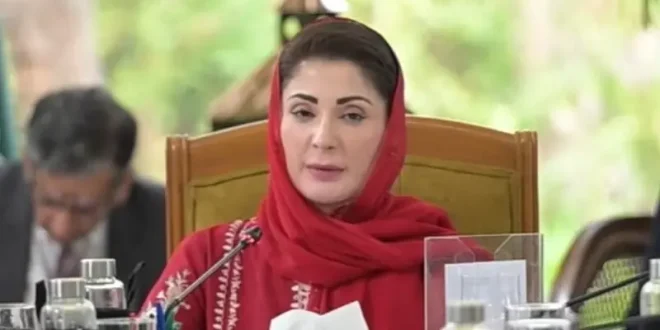
In a significant televised address to the National Paigham-i-Aman Committee, Punjab Chief Minister Maryam Nawaz Sharif recently underscored the critical importance of child safety, urging parents across the province to exercise heightened vigilance. Her impassioned plea followed two deeply disturbing incidents that sent shockwaves through the community: the brutal rape and murder of an eight-year-old girl in Sargodha and a tragic roof collapse at a private tuition centre in Lahore, which claimed the lives of 14 innocent children.
CM Maryam Nawaz recounted the harrowing details of the Sargodha case, where a young girl, left alone, fell victim to a shopkeeper. The discovery of a bloodstain on her slipper ultimately led to the identification of the perpetrator. Expressing profound concern, she emphasized that while her government could provide essential services like transport and healthcare, it could not ensure safety within homes or dictate how children, particularly sons, are raised. She appealed directly to parents to avoid leaving children “unattended” or sending them to potentially dangerous markets where they are “unable to protect themselves,” advocating for adults to undertake such tasks personally rather than exposing their children to predators “walking around freely in our neighbourhoods and streets.”
Addressing the Lahore tragedy, where negligence led to the roof collapse, the Chief Minister admitted a personal sense of responsibility. While acknowledging the tuition centre’s culpability, she urged parents to diligently vet any institution – be it a madrasah, tuition centre, or school – to ensure its safety standards. CM Maryam concluded by framing the battle against “societal ills” as a collective responsibility, calling upon every citizen to play their part in fostering a safer environment for children.
Background: Systemic Vulnerabilities and Societal Challenges
The incidents highlighted by CM Maryam Nawaz are not isolated occurrences but rather symptoms of deeper systemic vulnerabilities and societal challenges prevalent in Pakistan. The horrific nature of child sexual abuse and murder, as seen in Sargodha, exposes a grim reality where children, especially those from lower-income backgrounds or in less supervised environments, are acutely vulnerable. A culture of silence, coupled with inadequate law enforcement and a slow justice system, often allows perpetrators to evade accountability, fueling a cycle of violence.
The Lahore roof collapse, on the other hand, sheds light on the rampant issue of unregulated private educational institutions. Across Pakistan, countless tuition centres, private schools, and madrasahs operate with minimal oversight, often housed in dilapidated buildings that fail to meet basic safety and structural integrity standards. Economic pressures compel many parents to send their children to these low-cost options, inadvertently exposing them to life-threatening risks. The absence of a robust regulatory framework and stringent enforcement mechanisms by municipal and education authorities creates a perilous environment for students.
Maryam Nawaz, as the first female Chief Minister of Punjab, steps into this role facing immense pressure to address long-standing social issues. Her platform with the National Paigham-i-Aman Committee, typically focused on peace and interfaith harmony, provides a fitting stage to extend the discourse to social cohesion through child protection. Her emphasis on both state responsibility and parental vigilance reflects a recognition of the multifaceted nature of these challenges, requiring a comprehensive societal response rather than a singular governmental fix.
Impact on Pakistan: Shifting Paradigms and Public Discourse
CM Maryam Nawaz’s direct address has the potential to significantly impact public discourse and attitudes towards child safety in Pakistan. By bringing these issues to the forefront, she helps break the silence that often surrounds child abuse and neglect, fostering greater societal awareness. Her statements may encourage a paradigm shift in parental attitudes, prompting greater scrutiny of where and with whom children spend their time, and the environments they are exposed to.
However, the practical implementation of her call for heightened parental vigilance faces considerable challenges in a country where economic hardship often necessitates both parents working, leaving children in less supervised settings. Many families lack access to safe public spaces, reliable childcare, or quality, affordable educational institutions, pushing them towards riskier alternatives. This creates a difficult dilemma for parents who are urged to protect their children but lack the resources or safe options to do so effectively.
On the government front, this high-profile appeal could galvanize efforts towards stricter enforcement of existing child protection laws and the development of new, more robust policies. This includes expediting justice for child abusers, launching widespread public awareness campaigns on child safety, and critically, implementing stringent regulatory oversight for all private educational facilities. The tragedy in Lahore, for instance, should ideally trigger a province-wide audit of building safety standards in tuition centres and schools. Ultimately, the success of this call to action hinges on a sustained, collaborative effort that transcends political rhetoric and translates into tangible safety improvements on the ground for every child in Pakistan.
Analysis: Balancing Blame and Broadening Responsibility
CM Maryam Nawaz’s statements represent a crucial intervention in the ongoing debate about child safety in Pakistan. Her acknowledgment of both governmental limitations and parental responsibility is a nuanced approach, yet it also invites critical analysis. While her call for parents to be more vigilant is understandable and necessary, especially in preventing situations like the Sargodha tragedy, there’s a delicate balance to strike to avoid inadvertently shifting the primary burden of blame onto victims’ families. The ultimate responsibility for preventing heinous crimes lies with the state and society to create a secure environment and enforce justice.
The Chief Minister’s candid admission of government’s inability to penetrate the “four walls” of every home, or monitor how “sons are raised,” highlights a significant challenge. However, it also underscores the urgent need for comprehensive societal interventions that go beyond individual households. This includes robust child protection services, public education campaigns promoting healthy masculinity and respect, and accessible mental health support. Addressing the root causes of child abuse, such as poverty, lack of education, and pervasive societal inequalities, requires a multi-pronged strategy that involves every segment of society.
The “collective responsibility” CM Maryam advocates for must be truly collective. This means:
- Government: Prioritizing swift justice for child offenders, reforming the criminal justice system to ensure timely convictions, conducting rigorous building safety inspections, and regulating educational institutions with an iron fist. Investing in public awareness campaigns and establishing accessible child protection helplines.
- Community: Fostering a culture of vigilance, reporting suspicious activities, and actively working to create safe neighbourhood spaces. Religious leaders, local elders, and community groups have a vital role in challenging harmful norms and promoting child-friendly environments.
- Parents: Enhancing supervision, educating children about personal safety, and diligently researching the safety and reputation of institutions their children attend.
- Educators: Adhering to safety standards, providing safe learning environments, and being trained to identify and report signs of abuse or neglect.
The challenge for the Punjab government is to translate this appeal into actionable policies and sustained campaigns. Without strengthened state institutions, improved law enforcement, and a justice system that delivers swift and deterrent penalties, the onus on parents alone risks being insufficient. Ensuring child safety in Pakistan is a monumental task that demands not just rhetoric, but systemic reform, robust infrastructure, and a steadfast commitment from every stakeholder to protect the nation’s most vulnerable citizens.