 Dost Pakistan Journeys Tours and safaris in the North & South Pakistsn
US-Iran Escalation: The Strait of Hormuz, Regional Stability, and Global Economic Ripple Effects
The Latest Escalation: A Dangerous Spiral in the Gulf
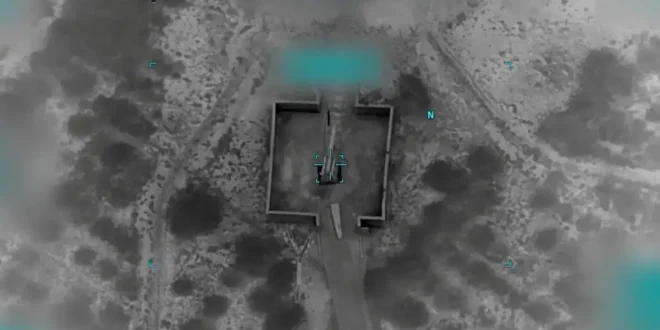
The Middle East finds itself at a perilous crossroads following a dramatic escalation in hostilities between the United States and Iran. Recent days have witnessed a cycle of retaliation, commencing with US military strikes on Iranian targets, initiated after an Iranian attack on a commercial container ship. In a swift and assertive response, Tehran declared the closure of the critically important Strait of Hormuz and broadened its offensive, launching an unprecedented barrage of attacks against US military facilities and allied infrastructure across multiple Gulf states, including Jordan, Kuwait, Oman, and Qatar, while also striking a second vessel in the Strait.
The US Central Command confirmed hitting over 300 Iranian military targets in three nights, aiming to degrade Iran’s capability to disrupt maritime traffic. However, Iran’s Revolutionary Guards countered by reporting widespread explosions in its port cities, simultaneous with its own precision strikes on vital US and allied assets. This intensified exchange unfolds amidst a backdrop where US President Donald Trump has formally ended a ceasefire in the ongoing US-Israel ‘war on Iran’, though signals from Washington still indicate a willingness for diplomatic engagement, even as rhetoric from Tehran insists on “mutual compliance” and warns against “one-sided deals.”
Underlying Tensions: A History of Conflict and Broken Ceasefires
To fully grasp the gravity of the current situation, it is crucial to understand the historical context. The present ‘war on Iran’ initiated by the US and Israel on February 28, has profoundly destabilized the Gulf region. The recent ceasefire, which Trump has now declared over, was an attempt to de-escalate hostilities, yet its collapse underscores the deep-seated mistrust and conflicting interests that define the US-Iran relationship.
The Strait of Hormuz, a narrow maritime choke point between the Persian Gulf and the Arabian Sea, serves as the world’s most vital oil transit point, historically carrying approximately one-fifth of global oil and liquefied natural gas (LNG) shipments. Iran’s decision to close this strategic waterway, citing “unauthorised routes” by vessels and demanding an “end of US interference,” is a powerful leverage play. It directly threatens global energy security and represents a significant escalation beyond previous skirmishes. Adding a layer of profound historical grievance, Iran’s new supreme leader, Ayatollah Mojtaba Khamenei, has publicly vowed vengeance for the assassination of his predecessor and father, Ayatollah Ali Khamenei, during the initial phases of the war, injecting an ideological and deeply personal dimension into the conflict.
Diplomatic channels, while strained, are not entirely shut. Oman, a traditional mediator in regional disputes, is actively engaging with Iran to discuss mechanisms for safe passage through the Strait, indicating that despite the heightened military actions, a glimmer of dialogue persists.
Regional Fallout: Pakistan’s Precarious Position Amidst Gulf Turmoil
The escalating US-Iran conflict and the closure of the Strait of Hormuz carry profound and multifaceted implications for Pakistan, a bordering nation with significant economic and strategic vulnerabilities. As a net oil importer, Pakistan is immediately susceptible to the ripple effects of disrupted global energy markets.
- Economic Strain: The surge in global oil and gas prices due to the Strait’s closure will directly translate into higher domestic fuel costs. This will inevitably fuel already rampant inflation, increasing the cost of living for ordinary citizens and placing immense pressure on industries, transportation, and agriculture. Furthermore, it will exacerbate Pakistan’s balance of payments crisis, further depleting dwindling foreign exchange reserves and making it more challenging to manage its substantial external debt obligations, potentially jeopardizing ongoing International Monetary Fund (IMF) programs.
- Regional Instability & Security: Pakistan shares a porous border with Iran, making it highly vulnerable to spillover effects of increased regional instability. This could manifest as heightened security challenges along the border, potential refugee flows, and the risk of extremist elements exploiting the chaos. The militarization of the Gulf region also raises concerns about regional security dynamics, potentially impacting Pakistan’s strategic calculations.
- Diplomatic Balancing Act: Pakistan maintains delicate and critical diplomatic relations with both Iran and key US allies in the Gulf, notably Saudi Arabia and the UAE. As tensions escalate, Pakistan will face immense pressure to navigate a complex diplomatic tightrope, trying to maintain neutrality while safeguarding its national interests. This balancing act could become increasingly challenging, risking alienation from either side.
- Trade Disruptions: Any prolonged disruption in maritime trade routes through the Strait of Hormuz could negatively impact Pakistan’s own sea trade, affecting imports and exports crucial for its economy.
For Pakistan, the crisis is not merely a distant geopolitical event but a direct threat to its economic stability and regional security, demanding careful and proactive diplomacy.
Analysis: Geopolitical Chessboard and the Perils of Protracted Conflict
The current escalation between the US and Iran transcends a mere exchange of blows; it represents a dangerous game of geopolitical chess with far-reaching consequences for global stability, energy markets, and regional power dynamics. Several critical elements are at play:
The Strait of Hormuz: A Lifeline Under Threat
Iran’s decision to close the Strait of Hormuz is not a random act but a calculated move designed to exert maximum leverage. By threatening the flow of global energy, Tehran aims to force the international community, and particularly the US, to reconsider its stance on the “war on Iran” and economic sanctions. It underscores Iran’s capability to inflict significant economic pain beyond its own borders, turning a regional conflict into a global economic crisis. The claim of “unauthorised routes” serves as a pretext, while the demand for an “end of US interference” reveals the true political objective.
Trump’s Dilemma: Geopolitics vs. Domestic Politics
President Trump finds himself in a precarious position. On one hand, the perceived need to project strength and protect US interests in the region, especially after the initiation of the war, necessitates a firm response to Iranian aggression. On the other, the direct economic fallout of this escalation—specifically surging gasoline prices—poses a significant political liability ahead of the crucial November congressional elections. High energy costs are a politically sensitive issue for American voters. This domestic pressure could push Trump towards both aggressive posturing and, paradoxically, a desire for rapid de-escalation through negotiation, explaining his mixed signals regarding ongoing talks.
The Precarious Balance of Power in the Gulf
Iran’s widespread and coordinated strikes against US military sites and allied infrastructure across Jordan, Kuwait, Oman, and Qatar mark a substantial shift in its retaliatory strategy. This demonstrates not only Iran’s willingness but also its enhanced capability to project power beyond its borders, making it clear that any confrontation will not be confined to Iranian territory. It puts US allies in the region, despite their advanced defense systems, in a highly vulnerable position. The activation of UAE air defenses and alarms in Bahrain and Qatar highlight the tangible threat. This broad front challenges the perception of US military dominance and may force Gulf states to reassess their strategic alignments and calls for US protection.
Pathways to De-escalation?
The current trajectory is unsustainable and fraught with the risk of miscalculation leading to a full-scale regional conflict. While Oman’s mediation efforts offer a faint hope for dialogue, the demands from both sides are significant. Iran’s insistence on “mutual compliance” and an end to “one-sided deals” implies a demand for significant concessions from the US, potentially including a cessation of the ‘war on Iran’ and lifting of sanctions. Meanwhile, the new Supreme Leader’s vow for vengeance adds a formidable ideological obstacle to any peaceful resolution. True de-escalation would likely require either a profound policy shift from Washington and Tehran, or highly effective, sustained international diplomatic pressure to establish a new, mutually acceptable framework for engagement.
Without a clear and agreed-upon pathway to reduce tensions, the Strait of Hormuz remains a flashpoint, and the broader Gulf region is poised on the brink of deeper instability, with severe global economic and humanitarian repercussions.
