 Dost Pakistan Journeys Tours and safaris in the North & South Pakistsn
Related Articles

Federal Focus on Gilgit-Baltistan: A Deeper Look into PM Shehbaz’s Directive
The News: PM Prioritizes GB Welfare with High-Level Committee
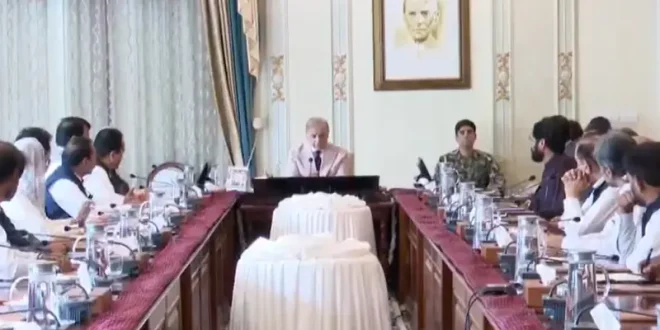
Prime Minister Shehbaz Sharif recently reiterated the federal government’s commitment to the development and welfare of Gilgit-Baltistan (GB), stressing the critical need for robust communication between Islamabad and the region’s leadership. In a significant move, he directed the formation of a high-powered committee, to be chaired by Deputy Prime Minister Ishaq Dar, tasked with meticulously reviewing welfare suggestions presented by Pakistan Muslim League-Nawaz (PML-N) members of the GB Assembly. This decision, emerging from a meeting with PML-N lawmakers from the strategically vital region, underscores a renewed federal emphasis on addressing the unique challenges and opportunities within Gilgit-Baltistan. Senior cabinet members, including the Foreign Minister, Information Minister, and Minister for GB and Kashmir Affairs, were present, signaling the importance attached to this initiative. The Prime Minister specifically highlighted government priorities spanning infrastructure, energy, education, health, tourism, and employment, with concrete examples like the nearing completion of cadet schools and rapid progress on a 100MW solar energy project.
Background: Gilgit-Baltistan’s Unique Position and Enduring Challenges
Gilgit-Baltistan occupies a distinctive and often complex position within Pakistan’s federal structure. Historically known as the Northern Areas, its constitutional status remains undefined, preventing it from having full provincial representation in the national assembly. Despite this, it functions with its own legislative assembly and an elected government, navigating a delicate balance between local autonomy and federal oversight. The region’s strategic significance cannot be overstated; it borders Afghanistan, China, and India, serving as the gateway to the China-Pakistan Economic Corridor (CPEC) and a critical geopolitical crossroads. This unique geography, however, also brings challenges, from infrastructure development in rugged terrain to vulnerability to climate change, particularly glacial melt, which directly impacts local communities and the downstream Indus River system.
Politically, GB has recently seen a shift, with the Pakistan Peoples Party (PPP) forming a coalition government with the PML-N, mirroring the power-sharing arrangement at the federal level. This meeting with PML-N GB members, therefore, holds added weight, not just as a welfare initiative but also as a step to consolidate federal and party influence within the new regional government framework. For decades, residents have voiced concerns over governance, resource allocation, and a desire for greater integration and constitutional rights, making effective federal engagement crucial for fostering trust and addressing long-standing grievances.
Impact on Pakistan: National Integration, Economic Growth, and Strategic Stability
The federal government’s renewed focus on Gilgit-Baltistan carries far-reaching implications for Pakistan on multiple fronts:
- Strengthening National Unity: By addressing the socio-economic needs and development aspirations of GB’s populace, Islamabad can foster a stronger sense of national belonging and reduce sentiments of marginalization, crucial for a country with diverse ethnic and regional identities.
- Unlocking Economic Potential: GB is a treasure trove of natural resources, breathtaking landscapes, and significant hydropower potential. Investing in its infrastructure, tourism, and energy sectors directly contributes to Pakistan’s national economy. CPEC projects, which traverse GB, further underscore its role in regional connectivity and trade.
- Geopolitical Reinforcement: Given its proximity to sensitive borders, a stable, prosperous, and well-governed Gilgit-Baltistan is a strategic asset for Pakistan. Enhanced development and citizen satisfaction can bolster Pakistan’s security interests and diplomatic standing in the region.
- Climate Resilience Leadership: The mention of an early warning system for climate change and glaciers highlights Pakistan’s commitment to adapting to environmental threats. GB, as a frontline region for climate impact, can become a model for sustainable practices, benefiting other vulnerable areas across the nation.
- Improved Governance and Representation: The directive for a committee to review suggestions from elected representatives signifies a move towards more inclusive governance, where local voices directly inform federal policy. This can enhance transparency and effectiveness in public service delivery.
Analysis: Beyond Rhetoric – A Strategic Imperative for Governance and Development
Prime Minister Shehbaz Sharif’s directive regarding Gilgit-Baltistan is more than a mere political statement; it represents a strategic imperative to address a region critical to Pakistan’s future. The formation of a high-level committee, particularly one chaired by Deputy PM Ishaq Dar, signals a serious intent from the federal government to move beyond symbolic gestures. Dar’s involvement elevates the committee’s standing, indicating that its recommendations are likely to receive high-level consideration and resource allocation.
From a political standpoint, engaging directly with PML-N lawmakers from GB, even within a coalition government where PPP holds the Chief Ministership, serves multiple purposes. It allows the PML-N to maintain and strengthen its base in the region, ensuring that its legislative members feel heard and empowered. This also acts as a stabilizing factor for the federal coalition itself, demonstrating collaborative governance efforts. The emphasis on “effective communication” is a tacit acknowledgment of past deficiencies and a forward-looking promise to bridge the gap between central policymaking and local realities.
Economically, the focus on infrastructure, communications, energy, education, health, and tourism is well-placed. These sectors are foundational for sustainable development in GB. The mention of cadet schools and solar energy projects indicates a practical, results-oriented approach. Harnessing GB’s tourism potential and natural resources is not just about local upliftment but also about diversifying Pakistan’s national economy. Equipping the youth with modern skills through quality education and technical training is vital to ensure they can contribute meaningfully to national development, rather than remaining underemployed or migrating.
However, the success of this initiative will ultimately hinge on effective implementation and sustained political will. Committees are mechanisms; their impact is determined by the commitment to act upon their findings. The real challenge lies in translating these directives into tangible projects that deliver lasting benefits to the people of Gilgit-Baltistan, ensuring transparency, accountability, and local ownership. While the rhetoric is promising, the true measure will be in the visible improvement of living standards, economic opportunities, and the strengthening of democratic institutions in this vital northern region.
In essence, PM Shehbaz’s move reflects a recognition that Gilgit-Baltistan is not just a geographically important area, but an integral part of Pakistan’s developmental and strategic vision. By focusing on its welfare, the government aims to reinforce national cohesion, unlock significant economic potential, and secure a critical frontier, making it a pivotal step towards a more integrated and prosperous Pakistan.

