 Dost Pakistan Journeys Tours and safaris in the North & South Pakistsn
Related Articles



“`html
Pakistan Braces for Widespread Weekend Rains: An In-Depth Analysis of PMD’s Forecast
The News: PMD Forecasts Extensive Rainfall
The Pakistan Meteorological Department (PMD) has issued a comprehensive forecast predicting widespread rain, windstorms, and thundershowers across the country’s upper and central regions from Friday night through Monday. Driven by moist currents from the Arabian Sea intensifying on Saturday, coupled with an approaching westerly wave, the weather system promises significant precipitation.
Areas like Kashmir, Gilgit-Baltistan, Khyber Pakhtunkhwa, and Punjab are expected to experience intense rainfall, with isolated heavy downpours. Even parts of Sindh (Tharparkar, Sukkur, Shikarpur, Larkana, Dadu, Jacobabad) and Balochistan (Zhob, Sherani, Kohlu, Barkhan, Dera Bugti, Khuzdar) are anticipating isolated rains. The PMD has warned of potential urban flooding in major cities including Islamabad, Rawalpindi, Peshawar, Gujranwala, Lahore, and Faisalabad, alongside risks of landslides in vulnerable mountainous areas and increased water flow in local streams. Travellers, farmers, and authorities have been advised to exercise extreme caution.
Background: Understanding Pakistan’s Monsoon Dynamics
The anticipated weather conditions are a characteristic feature of Pakistan’s annual monsoon season, which typically spans from early July to September. This period is crucial for the country’s agrarian economy, replenishing water reservoirs, and supporting rain-fed agriculture.
The meteorological drivers highlighted by the PMD – moist currents from the Arabian Sea and a westerly wave – are key components of regional weather patterns. Moist currents carry significant humidity and moisture inland from the warm Arabian Sea, providing the essential ingredient for rain. A westerly wave, on the other hand, is a weather system originating from the west (often the Mediterranean region), bringing relatively cooler air and atmospheric instability. When these two systems converge over Pakistan, particularly in its diverse geographical landscape that ranges from high mountains to fertile plains, they can trigger intense and widespread precipitation.
Pakistan’s geography makes it particularly susceptible to varied impacts from such weather events. The northern mountainous regions, including Kashmir and Gilgit-Baltistan, are prone to landslides, while the vast plains of Punjab and Khyber Pakhtunkhwa face the dual challenge of benefiting from agricultural irrigation and suffering from urban and riverine flooding. Understanding these underlying meteorological and geographical factors is paramount for effective disaster preparedness and mitigation strategies.
Impact on Pakistan: A Double-Edged Sword
The forecasted rain spell presents a mixed bag of opportunities and challenges for Pakistan.
Positive Impacts:
- Relief from Heat: The PMD explicitly stated that the “prevailing hot and humid conditions are likely to subside.” This offers much-needed respite from the intense summer heat that often precedes the monsoon.
- Water Replenishment: Monsoon rains are the lifeline for Pakistan’s water resources. They are vital for recharging dams, reservoirs, and groundwater levels, which are critical for irrigation, hydropower generation, and urban water supply.
- Agricultural Benefits: For vast tracts of rain-fed agricultural land, timely monsoon rains are indispensable for successful crop cycles, directly supporting farmer livelihoods and national food security.
Potential Negative Impacts and Risks:
However, the intensity and widespread nature of the forecast also carry significant risks:
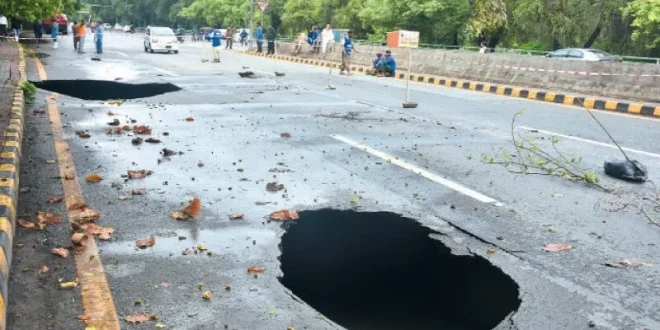
- Urban Flooding: Major urban centers like Islamabad, Rawalpindi, Lahore, Peshawar, Gujranwala, and Faisalabad are susceptible to localised urban flooding. Inadequate drainage systems, rapid urbanization, and accumulation of solid waste often exacerbate this issue, leading to traffic disruption, property damage, and public health concerns.
- Landslides: Vulnerable mountainous areas in upper Khyber Pakhtunkhwa, Gilgit-Baltistan, and Kashmir face a heightened risk of landslides. These can block critical roads, isolate communities, and pose severe threats to human lives and infrastructure.
- Increased Water Flow: Local streams in Kashmir, KP, GB, and the hill torrents of Dera Ghazi Khan are expected to experience increased water flow. This can lead to flash floods in low-lying areas and pose dangers to communities residing near riverbanks.
- Infrastructure Damage: Windstorms and lightning, integral components of monsoon weather, can damage weak structures, including solar panels, electric poles, and billboards, disrupting power supply and posing safety hazards.
- Travel Disruptions: The PMD’s advisory for tourists and travellers to exercise caution underscores the potential for travel disruptions due to flooded roads, landslips, or reduced visibility.
Analysis: Navigating the Monsoon Challenge
The PMD’s detailed and timely advisory is a crucial step in disaster preparedness, empowering both authorities and citizens with essential information. The forecast highlights Pakistan’s perennial challenge: harnessing the life-giving benefits of the monsoon while mitigating its destructive potential.
From a broader perspective, these intense and widespread weather events are increasingly viewed through the lens of climate change. While no single event can be directly attributed to climate change, scientific consensus suggests an increase in the frequency and intensity of extreme weather phenomena globally, including heavier monsoon rainfall in South Asia. This necessitates a shift towards more robust, climate-resilient infrastructure and comprehensive early warning systems.
For municipal authorities in the major cities mentioned, the warning about urban flooding should trigger immediate action: clearing drains, inspecting vulnerable infrastructure, and deploying emergency response teams. Similarly, in mountainous regions, pre-emptive measures to identify and monitor landslide-prone areas are vital. The advisory to farmers to manage crop activities and care for livestock reflects the delicate balance between benefiting from the rain and protecting agricultural assets from adverse weather.
The economic implications are significant. While the rains promise a boost to the agricultural sector and hydroelectric power generation, the potential for urban flooding and infrastructure damage can incur substantial economic losses, impacting livelihoods and diverting resources towards recovery efforts. Therefore, proactive investment in urban planning, improved drainage systems, and climate-adaptive agricultural practices becomes not just an environmental imperative but an economic necessity.
Ultimately, navigating the monsoon challenge requires a multi-faceted approach. It demands continued vigilance from meteorological departments, proactive governance from local and national authorities, and responsible behaviour from citizens. As Pakistan enters another monsoon season, the focus remains on leveraging the monsoon’s blessings while effectively guarding against its formidable power.
“`
