Dost Pakistan Journeys Tours and safaris in the North & South Pakistsn
Related Articles
Beyond ‘Butter Chicken’: Analyzing the India-New Zealand Trade Deal Amidst Social Backlash
The News: A Deal Marred by Division
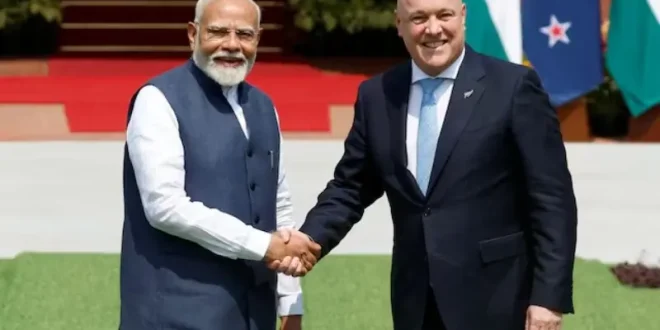
Indian Prime Minister Narendra Modi’s recent visit to New Zealand was overshadowed by a contentious free trade agreement (FTA) that, while celebrated by New Zealand’s Prime Minister Christopher Luxon for its economic promise, ignited a fierce backlash within the island nation. The deal, which aims to boost trade, tourism, and investment between the world’s most populous democracy and the Pacific nation, faces significant resistance from populist factions, particularly regarding clauses on migration and visas.
Prominent figures from the New Zealand First Party, a crucial part of Luxon’s governing coalition, voiced strong opposition. Government minister Shane Jones infamously decried the potential influx as a “butter chicken tsunami,” a remark that drew accusations of “outright racism” from Indian community leaders. The situation escalated further with an evangelical preacher, Brian Tamaki, making incendiary calls to “purge New Zealand of Hindus, Sikhs and Muslims” and advocating for the burning of their places of worship in retaliation for alleged persecution of Christians in India – comments widely condemned as “utterly appalling.”
These incidents are not isolated. They follow accusations of racially tinged mockery against an Indian-born lawmaker during a cultural “haka” performance by a Maori activist and reports of increased racially motivated incidents targeting South Asians. Massey University anthropologist Sita Venkateswar underscored this growing sentiment, noting that “South Asians are already the most frequent targets of racially motivated incidents in our data.” Despite these undercurrents, Modi’s brief but significant visit, the first by an Indian leader in 40 years, included official ceremonies and a large community event for the 300,000-strong Indian diaspora, with Luxon striving to maintain a welcoming image and emphasize the “winning partnership” between the two nations.
Background: Geopolitical Ambitions Meet Domestic Pressures
The proposed India-New Zealand FTA is more than just a commercial agreement; it is a significant facet of both nations’ broader strategic objectives. For India, under Prime Minister Modi, pursuing such agreements globally (including with the UAE, Australia, and ongoing talks with the UK) is central to its economic growth agenda and its burgeoning geopolitical influence, particularly within the Indo-Pacific region. As the world’s fifth-largest economy and its most populous nation, India seeks to diversify its trade partnerships, secure supply chains, and project its power internationally, making New Zealand a strategic partner in the Southern Hemisphere.
New Zealand, a smaller economy heavily reliant on agricultural exports and tourism, has long sought to diversify its trade relationships beyond its traditional markets, particularly amidst growing geopolitical complexities in the Pacific. India presents an immense, untapped market for New Zealand’s high-quality dairy, timber, and services sectors. The agreement promises significant economic benefits, including job creation and investment, which are crucial for New Zealand’s post-pandemic recovery and long-term prosperity. The gap of four decades since the last Indian prime ministerial visit highlights a newfound urgency and strategic alignment in their bilateral relations.
However, this economic ambition collides with a global surge in populist and anti-immigrant sentiments, which have found fertile ground in New Zealand. Parties like NZ First often capitalize on economic anxieties and cultural identity concerns, framing immigration as a threat to domestic jobs or societal cohesion. Shane Jones’ “butter chicken tsunami” comment, while crude, reflects a tactic common among populist movements worldwide: using evocative, often fear-mongering language to rally support by tapping into nationalist sentiments and concerns about cultural change. This dynamic poses a significant challenge to New Zealand’s traditionally proud image as a tolerant, multicultural society, forcing a reckoning between its economic aspirations and the rising tide of protectionist and xenophobic rhetoric.
Impact on Pakistan: Indirect Ripples in the Geopolitical Landscape
While the India-New Zealand trade deal primarily concerns the bilateral relationship between the two signatory nations, its implications for Pakistan, though indirect, are worth noting within the broader context of South Asian geopolitics and global trade dynamics.
Firstly, from an economic standpoint, India’s successful negotiation of preferential trade access to markets like New Zealand could subtly alter the competitive landscape for other South Asian economies, including Pakistan. If India gains a competitive edge in sectors where Pakistan also seeks to expand its exports (e.g., certain agricultural products, textiles, or IT services), it might create a more challenging environment for Pakistan in pursuing similar trade opportunities with developed nations. However, given New Zealand’s specific import needs, direct competition between India and Pakistan in this particular market might be limited.
Secondly, in the realm of regional geopolitics, India’s proactive pursuit of trade deals and strengthened ties with countries like New Zealand (and its broader engagement across the Indo-Pacific, including Australia and Indonesia, as part of Modi’s tour) signifies an expansion of its global influence. This assertive diplomatic and economic outreach could be perceived by Pakistan as India further consolidating its strategic position, potentially impacting the delicate balance of power in South Asia. Any strengthening of India’s alliances and economic leverage across the Indo-Pacific may prompt Pakistan to review and recalibrate its own foreign policy and trade strategies to safeguard its interests and maintain regional standing.
Lastly, the social backlash against Indian migrants and the rise of anti-immigrant sentiment in New Zealand, even if specifically targeted, can set a concerning precedent or reflect broader global trends that could indirectly affect Pakistani diaspora communities in other Western countries. While the specifics of cultural and historical ties differ, the underlying mechanisms of xenophobia and populist rhetoric against immigrant communities share similarities. This could serve as a cautionary tale, emphasizing the importance of robust legal protections and social integration efforts for diaspora communities worldwide, including Pakistanis living abroad.
In essence, while the India-New Zealand FTA does not directly involve Pakistan, it forms part of a larger tapestry of India’s growing economic and diplomatic footprint, which inevitably has ripple effects across the South Asian region and beyond, influencing strategic considerations for all regional players.
Analysis: The Complex Nexus of Economy, Identity, and Politics
The India-New Zealand free trade agreement, arriving after a 40-year hiatus in prime ministerial visits, represents a critical juncture for both nations. For New Zealand, it’s an opportunity to diversify its economy and tap into India’s vast consumer base, essential for its long-term economic resilience. For India, it’s a strategic step in its “Act East” policy, reinforcing its presence and influence in the Indo-Pacific, and strengthening its position as a global economic player. This mutual strategic interest underpins the enthusiasm shown by both Prime Ministers Luxon and Modi.
However, the fierce internal pushback within New Zealand underscores a growing global challenge: the tension between economic globalization and domestic social cohesion. The “butter chicken tsunami” comment, while xenophobic, reflects a deeper anxiety within certain segments of society regarding immigration’s perceived impact on jobs, infrastructure, and cultural identity. Populist parties often exploit these fears, turning policy debates into platforms for nationalist rhetoric. The fact that the NZ First Party, a member of the ruling coalition, is leading this charge highlights the internal political fragility Luxon’s government faces in balancing economic pragmatism with domestic political pressures.
The egregious comments from preacher Brian Tamaki, inciting violence and religious hatred, represent a dangerous escalation. Such rhetoric not only undermines New Zealand’s foundational values of tolerance and multiculturalism but also risks real-world harm to its diverse communities. Anthropologist Sita Venkateswar’s observation that South Asians are already frequent targets of racially motivated incidents provides crucial context, suggesting that the FTA has merely brought existing societal prejudices to the surface.
The Indian diaspora in New Zealand, numbering around 300,000, finds itself at the nexus of this debate. While Modi’s community event in Auckland celebrated their role as a bridge between the two nations, the simultaneous rise of anti-immigrant sentiment places them in a vulnerable position. The deal is meant to create opportunities, but the accompanying social friction poses a significant challenge to the successful integration of these communities and the long-term health of bilateral relations.
Ultimately, while the India-New Zealand FTA is likely to be approved, its true success will not only be measured in economic metrics but also in how effectively New Zealand manages the underlying social tensions. The episode serves as a powerful reminder that trade agreements, while economically beneficial, are rarely purely economic. They invariably interact with complex issues of national identity, immigration, and social harmony, requiring robust leadership and a commitment to inclusive values to prevent economic progress from inadvertently fueling social division.