Dost Pakistan Journeys Tours and safaris in the North & South Pakistsn
Related Articles

Broad Peak Avalanche: A Grim Reminder of High-Altitude Peril and the Resilience of the Mountain Community
The majestic, yet unforgiving, peaks of the Karakoram continue to draw adventurers from across the globe, offering unparalleled challenges and breathtaking vistas. However, these same mountains carry an inherent, unyielding peril. The recent tragic avalanche on Broad Peak, the world’s 12th highest mountain, serves as a stark and somber reminder of this reality. As search and rescue operations intensify for seven missing climbers, including revered Nepali mountaineer Nirmal Purja, the incident casts a long shadow over the international climbing community, forcing a re-evaluation of the risks and the immense human cost of chasing dreams at extreme altitudes.
The Tragic Ascent: A Snapshot of the Broad Peak Disaster
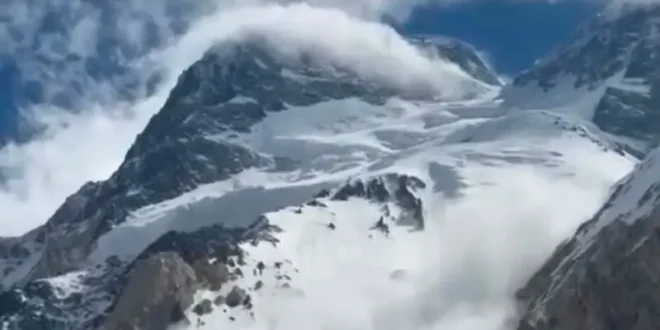
The serene, yet formidable, environment of Broad Peak (8,047 metres / 26,400 feet) became the scene of a grave disaster earlier this week when a powerful avalanche swept through a 10-member international climbing team. The expedition, aiming for the summit, was ascending at approximately 6,600 metres on Thursday when the disaster struck. The subsequent days have seen a frantic, yet arduous, search and rescue effort. While the bodies of Oman’s Nadhira Ahmed Abdullah Al Harthy, Nepal’s Pur Bahadur Gurung, and American Mallory Geis were tragically recovered on Friday and airlifted to Skardu, hopes dwindle for the seven still missing.
Among those unaccounted for are some of mountaineering’s most celebrated figures, notably Nepali sensation Nirmal Purja, known globally as ‘Nimsdai’ for his record-breaking feats. Also missing are fellow Nepali climbers Kili Pemba Sherpa, Nima Sherpa, Nawang Thindu Sherpa, and Gyalu Sherpa, alongside Pakistan’s Sohail Sakhi and China’s Wang Zhong. The extreme conditions, characterized by adverse weather, continuous snowfall, treacherous mountain terrain, and the persistent threat of further avalanches, have severely hampered rescue teams. Despite these formidable challenges, a dedicated civil rescue team led by veteran mountaineer Sarbaz Khan, supported by Nepali climbers from base camp (including the newly arrived Mingma David Sherpa), and critical air support from Pakistan Army helicopters, continues the daunting task. Drone footage has provided vital intelligence, even identifying additional climbers at 6,000m, underscoring the complexity and scale of the unfolding tragedy, with tracking devices indicating the team was thrown “hundreds of metres down the mountainside.”
Navigating the Heights: Broad Peak and the Lure of the Karakoram
Broad Peak, nestled within Pakistan’s formidable Karakoram range, stands as the world’s 12th highest mountain, a challenge that only the most skilled and resilient mountaineers dare to undertake. The Karakoram is renowned globally not just for its sheer height, but for its raw, untamed nature, often presenting more technical difficulties and unpredictable weather than even its Himalayan counterparts. Climbers here contend with extreme cold, thin air, glacial hazards, and the constant threat of avalanches, making every step a calculated risk.
High-altitude mountaineering is an arena where human ambition clashes with nature’s might. Success demands not only immense physical stamina and technical prowess but also profound mental fortitude and a deep respect for the mountain. Expeditions typically target specific summer windows when conditions are marginally more stable, yet even then, the mountains remain inherently unpredictable. This particular incident gains significant global attention due to the presence of Nirmal Purja, whose “Project Possible” saw him summit all 14 of the world’s 8,000-meter peaks in a record-breaking six months and six days. His involvement underscores that even the most experienced and accomplished climbers are not immune to the mountain’s wrath, highlighting the indiscriminate nature of high-altitude dangers. The reliance on highly skilled local guides and Sherpas, the backbone of these expeditions, also comes into tragic focus, reminding us of their invaluable yet perilous contributions.
Pakistan’s Mountainous Embrace: The Local Reverberations
Pakistan, home to five of the world’s fourteen 8,000-meter peaks, including K2 and Broad Peak, occupies a pivotal position in global mountaineering. The tourism sector, particularly in regions like Gilgit-Baltistan, relies significantly on the influx of international climbers and trekkers. Tragedies like the Broad Peak avalanche, while rare, cast a long shadow, potentially impacting future expedition bookings and the livelihoods of countless local communities who serve as porters, guides, cooks, and support staff. The economic reverberations can be profound for an industry deeply intertwined with adventure tourism.
This incident also shines a spotlight on Pakistan’s evolving search and rescue capabilities. The rapid deployment of Pakistan Army helicopters, the involvement of experienced local mountaineers like Sarbaz Khan, and the collaborative efforts with international rescue specialists, including Mingma David Sherpa flying in from Nepal, demonstrate a robust, if severely tested, infrastructure. However, the sheer scale and remoteness of such disasters push even the most advanced rescue operations to their limits, battling against terrain, weather, and the clock. The loss of a Pakistani climber, Sohail Sakhi, alongside international teammates, resonates deeply within the national climbing community and broader society, reminding the nation of the sacrifices made by its own adventurers. The multinational composition of the team also necessitates significant diplomatic coordination, underscoring Pakistan’s vital role in facilitating and safeguarding international expeditions within its majestic, yet formidable, mountain ranges.
Beyond the Summit: Lessons from the Broad Peak Tragedy
The Broad Peak avalanche is a profound and somber reminder of the raw, untamed power of nature, even in an era of advanced technology and unparalleled human ambition. The incident compels the mountaineering world to confront several critical questions concerning safety, risk, and the human drive to conquer the world’s highest points.
Firstly, it underscores the inherent and irreducible risks of high-altitude climbing. Despite decades of experience and technological advancements, the mountains retain their unpredictable character. Even climbers of Nirmal Purja’s caliber, renowned for their unparalleled skill and resilience, remain vulnerable to the capricious whims of nature. This tragic event reinforces the notion that the mountain always has the final say, regardless of human preparation or prowess. The sheer force of an avalanche, capable of sweeping climbers hundreds of meters, exemplifies nature’s ultimate supremacy.
Secondly, the incident highlights the double-edged sword of technology. While tracking devices provided crucial data about the climbers’ fate, and drones offer invaluable aerial reconnaissance for rescue efforts, they cannot prevent avalanches or instantly extract individuals from extreme conditions. Technology aids in managing risk and optimizing rescue operations, offering vital intelligence, but it does not eliminate the fundamental dangers of the high mountains, nor can it provide an absolute shield against their fury.
Thirdly, the multinational nature of the expedition and the subsequent international rescue collaboration speak volumes about the global fraternity of mountaineers. The swift arrival of Mingma David Sherpa from Nepal to aid the search for his missing compatriots, coupled with Pakistan’s national resources, exemplifies a shared human commitment to life and rescue in the face of overwhelming odds. This cross-border solidarity is a powerful testament to the bonds forged in the pursuit of extreme adventure, a global community united in both passion and peril.
Looking ahead, this tragedy will undoubtedly spark renewed discussions on safety protocols, expedition planning, and risk assessment within the commercial mountaineering industry. While the lure of the world’s highest peaks remains strong, the Broad Peak avalanche serves as a grim, yet vital, lesson: the pursuit of ultimate human achievement in these majestic environments demands not just courage and skill, but also an unwavering respect for the mountain’s formidable power, and a constant re-evaluation of the boundaries of human endurance. The mountain community, scarred but resilient, will undoubtedly absorb these lessons, striving to honor the lost by making future ascents safer, though never entirely risk-free.
The incident on Broad Peak is a heartbreaking chapter in the annals of mountaineering, a testament to both the indomitable spirit of human endeavor and the ultimate supremacy of nature. As the world watches, holding its breath for the missing, the mountains stand as stoic witnesses, reminding us all of the profound beauty, inherent dangers, and timeless allure of the world’s highest peaks.