Dost Pakistan Journeys Tours and safaris in the North & South Pakistsn
Related Articles



From Stability to Sustainable Growth: The World Bank’s Imperative for Pakistan’s Economy
The News: A Pivotal Shift for Pakistan’s Economic Trajectory
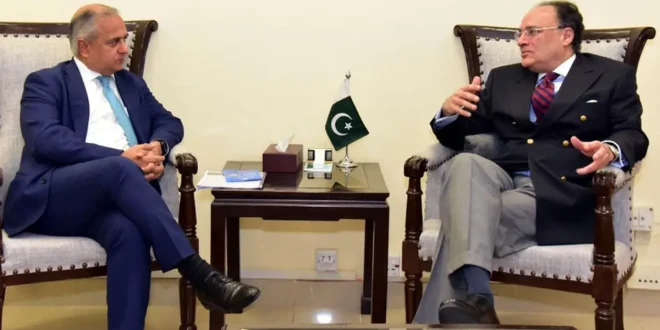
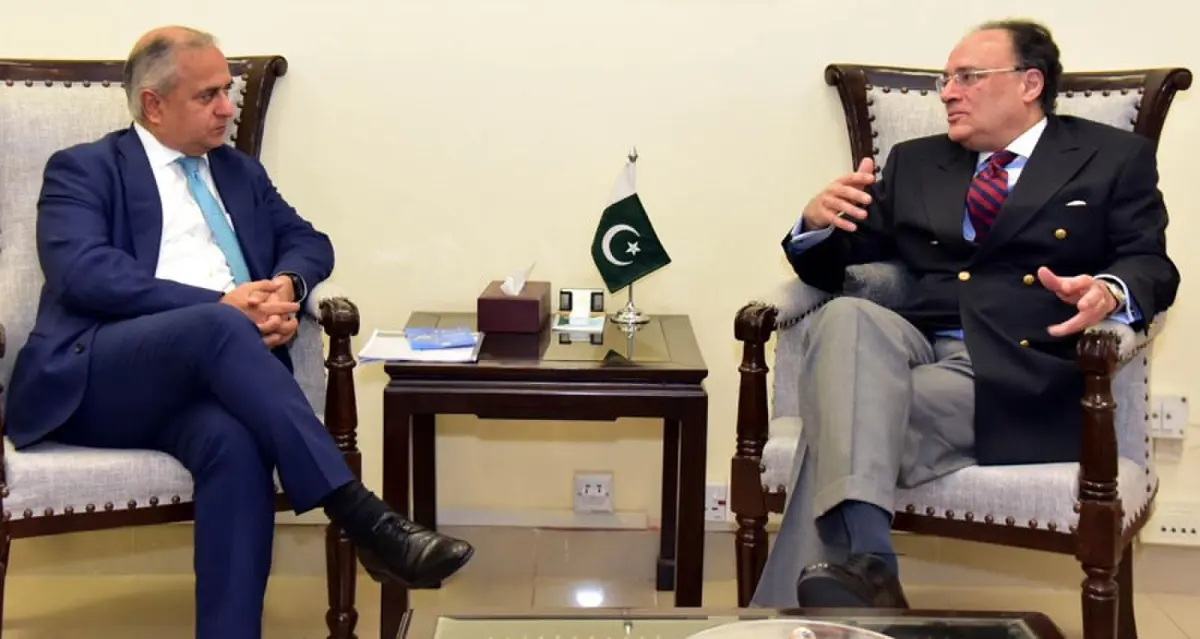
In a significant directive, the World Bank has urged Pakistan to transition its economic focus from short-term macroeconomic stabilization to a long-term agenda of sustainable, investment-led growth. This recommendation, articulated during a recent high-level meeting between World Bank officials—including Regional Practice Director Sandeep Mahajan, Country Director Bolormaa Amgaabazar, and IFC Division Director Simon Andrews—and Pakistan’s Finance Minister Muhammad Aurangzeb, marks a crucial juncture for the South Asian nation.
The core of the World Bank’s message is clear: Pakistan must prioritize robust investment and invigorated private sector activity to generate employment, particularly for its burgeoning youth population. This isn’t an isolated piece of advice; it echoes previous endorsements from the World Bank itself and similar counsel from the International Monetary Fund (IMF) on the necessity of structural reforms for enduring prosperity.
During the discussions, the World Bank acknowledged Pakistan’s success in restoring macroeconomic stability and effectively managing recent external pressures, such as those arising from regional conflicts. However, the emphasis has now squarely shifted towards leveraging these hard-won gains into a framework for consistent economic expansion, driven by domestic and foreign investment.
Background: The Road to Stabilization
Pakistan’s economic narrative over the past several years has been largely characterized by a recurring cycle of balance of payments crises, high inflation, and reliance on external borrowing, particularly from institutions like the IMF. This necessitated a series of stringent stabilization measures, often involving fiscal austerity, currency depreciation, and tight monetary policies, aimed at curbing inflation and restoring external account imbalances.
The “stabilization program” that the World Bank now commends refers to these efforts. Key steps included fiscal consolidation to reduce budget deficits, adjusting the exchange rate to make exports more competitive and imports costlier, and raising interest rates to combat inflation. These measures, while painful in the short term, were deemed essential to prevent a complete economic meltdown and restore a degree of confidence among international creditors and investors.
The recent $3 billion Eurobond issuance, with five-year and 10-year maturities, is a testament to the partial success of these stabilization efforts, signaling Pakistan’s regained, albeit tentative, access to international capital markets. This achievement underscores the building of “buffers” that helped the nation navigate recent regional turbulences without succumbing to immediate external shocks. However, as the World Bank’s latest advice highlights, stability is merely the foundation; sustainable growth is the edifice that needs to be built upon it.
Impact on Pakistan: Navigating the Growth Imperative
The World Bank’s call presents both a challenge and a monumental opportunity for Pakistan. Should the nation successfully pivot to a growth-oriented strategy, the potential benefits are transformative:
- Job Creation: A robust private sector and increased investment are critical for generating employment opportunities, particularly for the vast number of young people entering the workforce annually.
- Economic Resilience: Diversified growth, driven by exports and domestic production, can reduce Pakistan’s vulnerability to external shocks and lessen its reliance on volatile foreign aid.
- Improved Living Standards: Sustainable growth is the most effective path to poverty reduction and an overall improvement in the quality of life for citizens.
- Enhanced Global Standing: Consistent economic performance and sound policy frameworks can lead to further credit rating upgrades, bolstering investor confidence and improving Pakistan’s sovereign credit profile, as emphasized by Finance Minister Aurangzeb. This, in turn, can unlock more affordable financing for development projects.
- Reduced Debt Burden: A larger and more dynamic economy will be better equipped to manage its debt obligations without resorting to constant refinancing or new loans.
Conversely, a failure to heed this advice risks trapping Pakistan in a cycle of stop-gap measures and underperformance. Without sustainable growth, the hard-won gains in macroeconomic stability could prove fragile, leading to renewed economic pressures, persistent unemployment, and a continued struggle to attract meaningful investment. The window of opportunity to capitalize on the current stability is crucial, as delayed action could diminish the positive impact of recent reforms.
Analysis: Pathways to Private Sector-Led Growth
The transition from stabilization to sustainable growth is a complex undertaking, requiring a multifaceted approach focused on fundamental structural reforms. The dialogue between Minister Aurangzeb and World Bank officials outlined several critical areas:
1. Policy Continuity and Predictability
A consistent and predictable policy environment is paramount for attracting both domestic and foreign investment. Frequent policy shifts, often associated with political cycles, deter long-term commitments. Aurangzeb’s emphasis on “policy continuity” underscores a recognition that investment and productivity thrive on stability in regulatory and fiscal frameworks.
2. Enhancing the Regulatory and Business Environment
For the private sector to flourish, the “ease of doing business” must significantly improve. This involves streamlining bureaucratic processes, ensuring efficient contract enforcement, reducing red tape, and fostering a level playing field for all enterprises. Clear, transparent, and consistent regulatory frameworks are crucial to mitigate risks for investors and encourage entrepreneurial activity.
3. Strategic Privatization and Public-Private Partnerships
The discussion on privatization highlights the potential to unlock capital and efficiency currently tied up in state-owned enterprises (SOEs). However, successful privatization requires not just selling assets but establishing “clear regulatory frameworks and credible post-privatization arrangements” to ensure long-term viability and protect consumer interests. Furthermore, leveraging Public-Private Partnerships (PPPs) can mobilize private capital for critical infrastructure development, which is often a bottleneck for growth.
4. Fiscal Discipline and External Sector Management
Maintaining the fiscal discipline achieved during the stabilization phase is non-negotiable. This involves prudent government spending, broadening the tax base, and reducing subsidies where feasible. Simultaneously, addressing “external sector vulnerabilities” means promoting exports, diversifying trade partners, and attracting non-debt-creating financial inflows, thereby strengthening the country’s foreign exchange reserves.
5. Investing in Growth-Enabling Sectors
While the private sector is the engine, the government has a crucial role in creating an enabling environment. This includes strategic investments in critical infrastructure (energy, transport, digital connectivity), human capital development (education, health, skills training for youth), and fostering innovation. Collaborating with development partners like the World Bank can provide technical expertise and financing for such transformative projects.
In conclusion, Pakistan stands at a critical juncture. The World Bank’s advice is not merely a suggestion but a roadmap for escaping the cycle of economic volatility. The shift from stability to sustainable, investment-led, and export-driven growth requires unwavering political commitment, consistent policy implementation, and a genuine partnership between the government and the private sector. The stakes are high, with the livelihoods and aspirations of millions hinging on Pakistan’s ability to translate reform gains into tangible economic opportunities and a brighter future.