Dost Pakistan Journeys Tours and safaris in the North & South Pakistsn
Related Articles



“`html
Pakistan’s Fuel Paradox: Assurances vs. Anxiety Amidst Economic Strain
In a nation grappling with persistent economic challenges, the recent plea by Pakistan’s petroleum dealers to avoid panic buying highlights a delicate balance between actual supply and perceived scarcity. This analysis delves into the underlying factors driving consumer anxiety and the government’s struggle to manage energy security, public discontent, and economic stability.
The News: A Call for Calm Amidst Rising Tensions
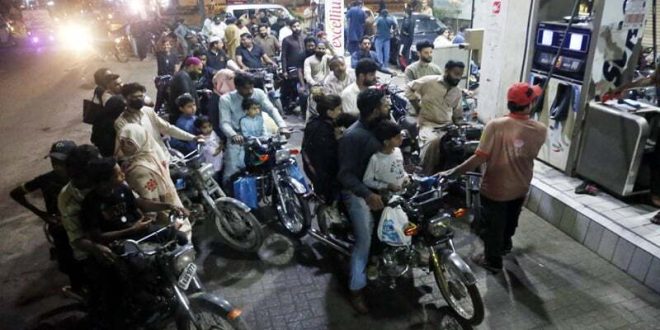
The Pakistan Petroleum Dealers Association (PPDA) has urged consumers to refrain from panic buying, emphasizing that the country’s fuel supply chain remains robust. PPDA Chairman Malik Khuda Baksh dismissed circulating rumors of an impending fuel shortage, drawing parallels to a brief panic during the 2001 US invasion of Afghanistan which ultimately proved unfounded. He asserted that refineries are fully operational, and imports of crude oil and refined products from Gulf nations like Saudi Arabia and Oman are stable, maintaining a healthy equilibrium between supply and demand.
However, this reassurance comes with caveats. Baksh acknowledged that “price remains an issue,” highlighting the ongoing burden on consumers. Furthermore, the liquefied petroleum gas (LPG) market is reportedly under stress due to the recent closure of the Iran border, introducing an element of localized vulnerability. Concurrently, political pressure is mounting, with the Jamaat-i-Islami (JI) demanding an urgent meeting with Prime Minister Shehbaz Sharif to secure additional relief on fuel levies, vowing to continue protests alongside negotiations which have so far been inconclusive.
Background: Pakistan’s Energy Tightrope Walk
Pakistan’s energy landscape is characterized by a significant reliance on imported fossil fuels. This structural dependency leaves the nation acutely vulnerable to fluctuations in global oil prices and disruptions in international supply chains. As a result, the cost of fuel often becomes a direct reflection of global market volatility, a burden largely absorbed by Pakistani consumers already facing high inflation and currency devaluation.
Key Economic Context:
- Import Dependence: Pakistan imports approximately 70% of its diesel requirements (albeit from imported crude processed locally) and 70% of its petrol. This makes the economy highly susceptible to external shocks.
- Inflationary Pressures: Rising fuel costs contribute directly to inflation, impacting transportation, manufacturing, and food prices, thus eroding public purchasing power.
- Government Revenue vs. Public Welfare: Fuel levies are a critical component of government revenue, often essential for meeting fiscal targets and international commitments (like those with the IMF). However, increasing these levies directly impacts consumers, creating a delicate policy dilemma for authorities.
Historically, Pakistan has witnessed instances where rumors of shortages, actual supply chain disruptions, or anticipated price hikes have triggered waves of panic buying. This consumer behavior, though understandable from an individual perspective, can paradoxically create localized “artificial shortages” by overwhelming distribution networks, even when overall national supply is adequate. The PPDA’s current appeal, therefore, serves as a pre-emptive measure to prevent such self-fulfilling prophecies, reflecting a fragile trust ecosystem between the public and market stakeholders.
Impact on Pakistan: Beyond the Fuel Pump
The implications of fuel stability and pricing extend far beyond the individual consumer’s wallet, reverberating throughout Pakistan’s socio-economic fabric.
- Economic Stability: Fuel is the lifeblood of commerce. High and volatile fuel prices directly increase operational costs for industries, transport sectors, and agricultural enterprises. This, in turn, can stifle economic growth, deter investment, and contribute to unemployment.
- Agricultural Sector Vulnerability: Diesel, in particular, is critical for Pakistan’s predominantly agrarian economy. Seasonal demands, estimated at 750,000 tonnes for November driven by agricultural needs (e.g., irrigation pumps, farm machinery), highlight its indispensable role. Any disruption in diesel supply or significant price hikes can jeopardize crop yields, increase food insecurity, and directly impact the livelihoods of millions of farmers.
- Supply Chain Fragility: The stress on the LPG market due to the Iran border closure is a stark reminder of Pakistan’s broader supply chain vulnerabilities. Reliance on specific routes or regional partners means that geopolitical shifts, border management issues, or even local disruptions can have immediate and tangible effects on domestic energy availability and pricing.
- Social and Political Fallout: The ongoing talks between the government and JI, coupled with the party’s commitment to protest, underscore the potent political ramifications of fuel prices. Widespread public discontent over economic hardship, particularly essential commodities like fuel, can easily translate into social unrest and challenge governmental stability. The demand for “additional relief” reflects a deep-seated desire among the populace for tangible measures to ease their financial burdens.
Analysis: Navigating the Perfect Storm
The current situation in Pakistan presents a complex interplay of market dynamics, economic pressures, and political considerations. While the PPDA offers assurances on supply, the continuous emphasis on “price remains an issue” is the critical fault line. For many consumers, the fear of *unaffordability* can be as potent as the fear of *unavailability*, driving them to stock up when prices are perceived as relatively stable, or when rumors of future hikes circulate.
The government faces an unenviable task. On one hand, it must ensure energy security and maintain a stable supply to prevent market chaos. On the other, it must generate revenue through levies to stabilize the national economy and meet international financial obligations. Simultaneously, it is under immense pressure from political parties like JI and the broader public to provide relief from escalating living costs. The formation of a technical committee to discuss fuel levies with JI signals an attempt to de-escalate political tensions and find a middle ground, but the path to a sustainable solution remains arduous.
Effective communication and trust-building are paramount. Vague reassurances or conflicting messages can fuel anxieties rather than quell them. The analogy to the 2001 situation serves to remind stakeholders of the power of rumors and the importance of clear, consistent information from credible sources.
Ultimately, while immediate measures like discouraging panic buying are necessary, Pakistan’s long-term energy security hinges on broader structural reforms. This includes diversifying energy sources, investing in domestic refining capabilities to reduce reliance on imported finished products, exploring alternative energy solutions, and strengthening strategic reserves. Without addressing these fundamental vulnerabilities, the nation will continue to navigate a treacherous path where energy supply, economic stability, and public welfare remain precariously balanced against global market forces and domestic political pressures. The call to avoid panic buying, while practical, underscores a deeper, systemic challenge that requires comprehensive and sustained policy interventions.
“`