Dost Pakistan Journeys Tours and safaris in the North & South Pakistsn
Related Articles
Digital Scrutiny: How US Social Media Vetting for Journalists Reshapes Global Press Freedom
The News: Expanded Digital Gatekeeping
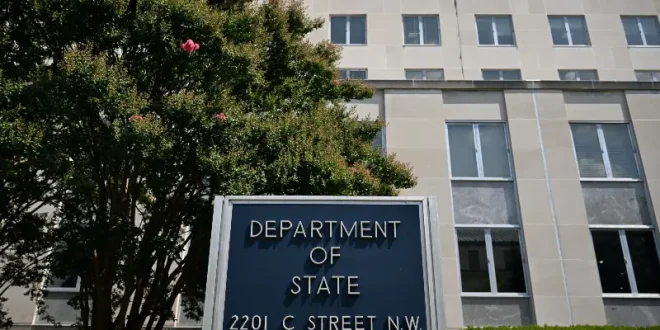
A recent report by The Daily Signal has revealed a significant expansion in the US State Department’s visa screening process: foreign journalists seeking to work in the United States will now undergo comprehensive social media vetting. This move extends an existing initiative from President Donald Trump’s administration that mandates public disclosure of online accounts for various visa categories. While the State Department has not officially confirmed the specifics of the internal memo cited by the conservative outlet, it has acknowledged the use of “online presence vetting” to safeguard national security, public safety, and national interests, ensuring applicants adhere to US law.
This policy broadens its scope to include applicants for specific worker visas from Canada and Mexico, signifying a wider net of digital surveillance. It arrives on the heels of the Department of Homeland Security tightening rules on stay durations for foreign journalists and students, and marks another step in the administration’s post-January 2025 efforts to factor online speech into immigration and visa decisions. Previous actions have seen US Citizenship and Immigration Services (USCIS) scrutinizing social media for content deemed “antisemitic” or “anti-Americanism,” leading to visa cancellations for students engaged in pro-Palestinian activism and even revocations for comments concerning political figures.
Background: A Shifting Paradigm of Security and Speech
The concept of vetting individuals for entry into the United States is not new, particularly post-9/11, when national security concerns dramatically reshaped immigration policies. However, the current administration’s approach represents a marked escalation, moving beyond traditional background checks to delve deeply into an applicant’s digital footprint. This shift is deeply rooted in the Trump administration’s broader policy of “extreme vetting,” a doctrine aimed at identifying and excluding individuals perceived as threats or ideologically opposed to US interests. The intent, as articulated, is to protect national security, prevent fraud, and ensure adherence to US law.
Yet, this expansion into social media vetting raises fundamental questions about freedom of speech, privacy, and the potential for arbitrary enforcement. The First Amendment, while primarily protecting US citizens within the country, implicitly influences the global perception of the US as a champion of free expression. Applying such stringent online scrutiny to foreign nationals seeking entry could create a chilling effect on legitimate journalistic inquiry and critical commentary, even if those comments are made outside US jurisdiction. The subjective nature of terms like “anti-Americanism” becomes particularly problematic, inviting broad interpretation that could be politically motivated or culturally insensitive. Historically, the US has prided itself on upholding press freedom and facilitating the work of international journalists, making this policy a significant departure that could redefine its image on the global stage.
Impact on Pakistan: Implications for Media and Beyond
For Pakistani journalists, academics, and professionals seeking US visas, this expanded social media vetting introduces a new layer of complexity and potential risk. Pakistan’s vibrant media landscape often features robust criticism of international policies, including those of the United States. Journalists reporting on sensitive geopolitical issues, expressing views on conflicts, or simply engaging in political discourse online could find their visa applications under intense scrutiny.
Key implications for Pakistan include:
- Increased Scrutiny: Pakistani journalists, like others, will face exhaustive examination of their social media posts, comments, and interactions. Any content perceived as critical of US policy, supportive of causes deemed “anti-American,” or even culturally nuanced expressions might be misinterpreted.
- Self-Censorship: The fear of visa denial could lead to widespread self-censorship among Pakistani media professionals. This “chilling effect” might restrict their ability to express opinions, report critically, or engage in open discourse online, thereby limiting the diversity of perspectives entering the US.
- Challenges for Advocacy: Given the US administration’s stance on “pro-Palestinian activism,” Pakistani journalists or citizens expressing solidarity with Palestinian causes, a common sentiment across the Muslim world, could face difficulties.
- Broader Impact: The policy’s expansion to other visa categories, including workers, means that Pakistani students, researchers, and skilled professionals also face similar digital scrutiny, potentially limiting educational and professional exchange opportunities.
- Reciprocity Concerns: This move could also set an unfortunate precedent, potentially prompting other nations to adopt similar rigorous social media vetting for US citizens or journalists seeking entry, affecting the global ease of travel and journalistic operations.
The subjective interpretation of “anti-Americanism” is particularly concerning, as what might be considered legitimate criticism or cultural commentary in Pakistan could be flagged as disqualifying content by US officials.
Analysis: Erosion of Openness and the Global Chilling Effect
The expansion of social media vetting for foreign journalists represents a critical juncture in the balance between national security and fundamental freedoms. While governments undeniably have a right to secure their borders, the method and scope of this digital scrutiny raise several profound analytical concerns:
- Erosion of Press Freedom: This policy directly impinges on the ability of foreign journalists to report freely and critically on global affairs, including US foreign policy. The threat of visa denial or revocation for online speech creates an environment of fear and discourages honest, nuanced reporting. A free press, irrespective of nationality, is vital for informed public discourse and holding power accountable.
- Subjectivity and Arbitrary Application: The defining of terms like “anti-Americanism” is inherently subjective and lacks clear, universally understood criteria. This opens the door to arbitrary application, where visa decisions could be influenced by political biases, misinterpretations of cultural context, or the personal views of adjudicating officers. The potential for genuine criticism to be conflated with malicious intent is significant.
- Chilling Effect on Global Discourse: Beyond journalists, the broader impact extends to academics, artists, and civil society actors worldwide. If expressing certain opinions online can jeopardize entry into a major global power like the US, it encourages self-censorship on a massive scale, stifling critical thought and international dialogue. This diminishes the US’s standing as a promoter of open societies and intellectual exchange.
- Effectiveness vs. Overreach: The efficacy of such extensive social media vetting in truly identifying genuine threats versus generating false positives is debatable. The sheer volume of digital data makes thorough, accurate, and context-sensitive analysis challenging. Furthermore, sophisticated actors aiming to pose a threat are likely to sanitize their online presence, rendering the process less effective against real risks and more burdensome for legitimate visitors.
- Damage to Soft Power: The United States has historically leveraged its commitment to freedom of speech and expression as a cornerstone of its soft power. This policy risks undermining that image, presenting the US as a nation increasingly wary of dissent and critical voices, potentially isolating it from global intellectual and cultural currents.
In conclusion, while the stated aim of this policy is national security, its broad reach into the digital lives of foreign journalists and other visa applicants raises serious questions about its long-term implications for press freedom, global discourse, and the US’s international reputation. It signals a move towards a more insular and surveilled approach to international engagement, potentially at the cost of the very democratic values the United States professes to uphold.