Dost Pakistan Journeys Tours and safaris in the North & South Pakistsn
Related Articles


“`html
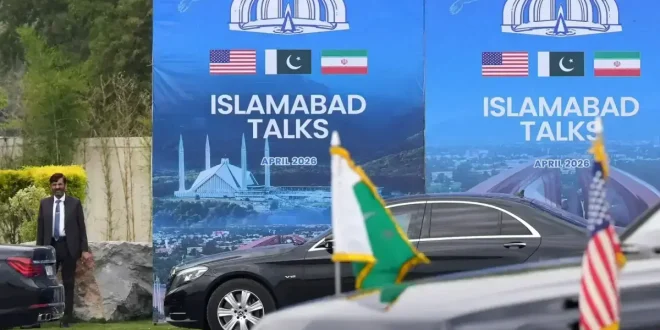
Islamabad: The Unexpected Stage for a Landmark US-Iran Peace Deal?
In a surprising twist of global diplomacy, Pakistan’s capital, Islamabad, is emerging as a top contender to host the formal signing of a potential peace agreement between the United States and Iran. Despite ongoing geopolitical complexities and intermittent delays, diplomatic sources indicate a high probability of a final accord, driven by a mutual desire to avert an open-ended conflict.
What’s Happening: A Deal on the Horizon
Reports from both Washington and the United Nations suggest that US and Iranian negotiators are closing in on a framework agreement. Key elements under discussion include the reopening of the crucial Strait of Hormuz and an extension of the current ceasefire. While more contentious issues, particularly concerning Iran’s nuclear program, are expected to be addressed in subsequent rounds, the immediate focus is on securing an initial de-escalation. Should a deal materialize, Islamabad’s prior role in facilitating initial contacts between Washington and Tehran positions it as a “natural choice” for the historic signing, given the absence of direct diplomatic relations between the two principal parties.
Behind the Headlines: The Pressure for Peace
The impetus for this potential breakthrough stems from a shared realization by both the Trump administration and Tehran that the prolonged conflict carries unsustainable costs. Washington, despite its military might, has reportedly concluded that air power alone cannot achieve all its objectives and a protracted campaign risks significant political and financial burdens domestically. Similarly, while Iran views its resilience against sustained military pressure as a strategic achievement, its leadership recognizes the severe toll on an economy already strained by sanctions and the accelerated destruction of vital infrastructure.
This confluence of self-interest, rather than pure altruism, has created the momentum for a negotiated settlement. The conflict’s background, including a US-Israeli military campaign against Iran and Iran’s strategic closure of the Strait of Hormuz, has significantly disrupted global energy supplies and trade, adding urgency to the diplomatic efforts.
Why This Deal Matters: Global Implications
A US-Iran peace agreement, even a preliminary one, holds profound significance on multiple fronts:
- Regional Stability: The Middle East remains a volatile region. A de-escalation between these two major powers could significantly reduce tensions, potentially paving the way for broader regional dialogues and conflict resolution.
- Global Energy Security: The reopening of the Strait of Hormuz, a critical choke point for international oil shipments, would immediately stabilize global energy markets and reduce supply chain uncertainties, benefiting economies worldwide.
- Nuclear Non-Proliferation: While full nuclear issues are deferred, Iran’s commitment not to seek nuclear weapons, if secured, is a crucial step towards non-proliferation, even if the specifics of its program remain a future negotiation point.
- US Foreign Policy Shift: For the Trump administration, securing a peace deal would represent a significant foreign policy achievement, especially if it can be presented as a successful resolution to a costly conflict.
- Iran’s Future Trajectory: An agreement could offer Iran a pathway to economic relief, reconstruction, and a reduced international isolation, fundamentally altering its regional and global standing.
Impact on Pakistan: Diplomatic Triumph and Regional Influence
For Pakistan, being chosen as the venue for such a high-profile signing would be a major diplomatic coup:
- Enhanced Diplomatic Prestige: Hosting a landmark agreement between two global adversaries would elevate Pakistan’s international standing and underscore its capacity as a neutral and trusted facilitator in complex geopolitical scenarios.
- Reinforced Mediator Role: This event would solidify Pakistan’s image as a reliable intermediary, particularly valuable in a region often characterized by deep divisions. It demonstrates its ability to engage with diverse global powers, including the US, Iran, and potentially its allies.
- Strategic Leverage: A successful facilitation could strengthen Pakistan’s diplomatic ties with both Washington and Tehran, potentially offering unique leverage in regional matters and fostering greater economic and security cooperation.
- Regional Connectivity Benefits: Improved stability in the wider Middle East could indirectly benefit Pakistan’s own economic initiatives, such as the China-Pakistan Economic Corridor (CPEC) and other regional trade routes, by fostering a more secure operating environment.
- Navigating Sensitivities: While a significant win, Pakistan would also need to carefully navigate sensitivities from other regional players, particularly Gulf states and Israel, who have vested interests and concerns regarding both the US and Iran.
Analysis: Narrative vs. Substance and Remaining Hurdles
As former Pakistani ambassador Munir Akram aptly noted, many differences between the US and Iran are “largely about narrative rather than substance.” Both sides are keen to present any agreement as a victory to their domestic audiences and international allies. This suggests a powerful underlying political will to find common ground, despite public posturing.
However, significant obstacles remain. Tehran’s demand for an immediate halt to Israeli military operations in southern Lebanon is a critical point of contention, impacting its regional allies. The US, conversely, remains steadfast in its commitment to the security of its Gulf allies and aims to strengthen its military presence in the region, not reduce it. Disagreements over the sequencing of steps, specific security guarantees, and the precise political messaging required for each side to declare victory continue to complicate the negotiations.
The decision to defer some of the most contentious nuclear issues to later stages is a pragmatic move, designed to achieve an initial breakthrough. While this strategy might secure an immediate de-escalation, it also means that the core challenge of Iran’s nuclear ambitions will remain a future flashpoint. The eventual structure of Iran’s nuclear program and the disposition of its enriched uranium stockpile will demand robust and painstaking negotiations.
Despite these hurdles, there’s growing confidence that Washington and Tehran now perceive a negotiated settlement as more favorable than prolonging a conflict whose costs continue to escalate for all involved. Pakistan, having played a discreet yet pivotal role in bridging initial gaps, stands ready to solidify its position on the global diplomatic stage, underscoring its potential as a facilitator for peace in an increasingly interconnected and complex world.
“`