Dost Pakistan Journeys Tours and safaris in the North & South Pakistsn
Related Articles


Trump’s Iran Gambit: “Tougher” Terms and a Volatile Peace Process in the Middle East
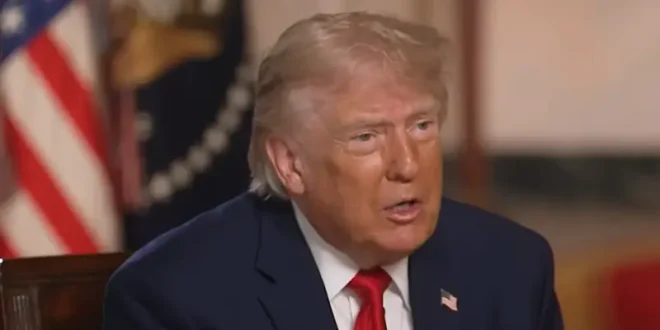
The delicate dance of diplomacy between the United States and Iran has taken another complex turn, marked by contradictory claims and escalating rhetoric. US President Donald Trump recently announced that Iran had agreed to refrain from developing nuclear weapons, a significant assertion that emerged as reports indicated a new, potentially “tougher” peace proposal had been sent to Tehran. This development underscores the precarious nature of efforts to de-escalate Middle East tensions, end a simmering regional conflict, and, critically, ensure the free flow of global oil through the Strait of Hormuz.
The Latest Developments: A Tightrope of Claims and Demands
Recent headlines present a nuanced and often conflicting narrative surrounding the high-stakes negotiations between Washington and Tehran. President Trump’s declaration about Iran’s nuclear commitments, made during a Fox News interview, suggests a significant breakthrough. However, this optimism is tempered by concurrent reports from influential media outlets like the New York Times and Axios, revealing that the US has actually returned to Iran with a revised peace framework containing “tougher” terms.
The overarching goal of these efforts remains ambitious: to formally conclude the ongoing Middle East conflict and reopen the Strait of Hormuz, a critical maritime route that has been plagued by blockades and threats. Yet, progress is continuously challenged by a stark divergence in priorities and demands. While Trump prioritizes nuclear non-proliferation and maritime security, Iran maintains its own preconditions, notably demanding the release of $12 billion in frozen assets and the inclusion of the ongoing conflict in Lebanon in any comprehensive peace deal. Adding to the tension, Trump’s tone has shifted from being on the “brink of a deal” to expressing “no hurry,” even hinting at a potential military “different way” if negotiations falter, a sentiment echoed by Pentagon chief Pete Hegseth.
Context: A History of Mistrust and High Stakes
The current diplomatic maneuvers are deeply rooted in decades of strained relations and geopolitical rivalry between the US and Iran. A central pillar of this tension has been Iran’s nuclear program, which led to the landmark 2015 Joint Comprehensive Plan of Action (JCPOA) – an agreement the US later unilaterally abandoned. The present negotiations aim to re-establish a framework to prevent Iran from acquiring nuclear weapons and to address its regional influence, which Washington views as destabilizing.
The strategic importance of the Strait of Hormuz cannot be overstated. As the choke point for a significant portion of the world’s oil supply, its closure or disruption has immediate and severe global economic repercussions. The competing blockades by US and Iranian forces have already created substantial pressure on international oil prices and trade. Simultaneously, the multifaceted conflict in the region is further complicated by the situation in Lebanon, where an uneasy truce between Israel and the Iranian-backed Hezbollah group is routinely violated. Israel’s expanded ground offensive and Lebanon’s accusations of a “scorched-earth policy” underscore the interconnectedness of these regional conflicts. Amidst this complex web, nations like Pakistan have stepped forward, hosting crucial talks in an attempt to foster dialogue and bridge the wide chasm between the warring parties.
Why This Matters: Global Implications of a Volatile Standoff
The outcome of the US-Iran negotiations holds profound implications across multiple fronts:
- Global Economic Stability: A stable and open Strait of Hormuz is paramount for international trade and energy security. Continued blockades or escalation would inevitably drive up global oil prices, trigger supply chain disruptions, and could push a fragile global economy into further uncertainty.
- Regional Security and Stability: The Middle East is a crucible of geopolitical tensions. A successful peace deal could significantly de-escalate proxy conflicts, alleviate humanitarian crises, and lay the groundwork for greater regional stability. Conversely, a failure risks a return to large-scale military confrontations, potentially engulfing the wider region.
- Nuclear Non-Proliferation: Preventing Iran from developing nuclear weapons remains a top-tier international security objective. Any agreement’s credibility will hinge on its robustness, verifiability, and long-term effectiveness in preventing proliferation.
- US Foreign Policy Credibility: President Trump’s oscillating stance—from imminent deal to military threats—tests the consistency and reliability of US foreign policy. The manner in which this crisis is managed will impact global perceptions of American diplomacy and leadership.
- Future of International Diplomacy: The intricate nature of these talks, involving multiple regional actors and intertwined conflicts, serves as a critical barometer for the efficacy of international mediation and negotiation in resolving complex, deeply entrenched disputes.
Pakistan’s Stake: A Mediator in a Shifting Landscape
For Pakistan, which has actively facilitated parts of these crucial negotiations, the evolving situation carries significant weight. As a host to diplomatic engagements, Pakistan has invested considerable political and diplomatic capital in fostering channels for dialogue between the US and Iran. The introduction of “tougher terms” or a potential collapse of talks could complicate Pakistan’s role as an impartial mediator, requiring renewed efforts to maintain its credibility and influence.
Economically, Pakistan is highly susceptible to global energy market fluctuations. A stable and open Strait of Hormuz would directly contribute to its energy security and help stabilize its economy, while renewed instability could exacerbate existing economic challenges. While Pakistan is not directly involved in the conflict, regional instability can have cascading effects, impacting trade routes, regional partnerships, and potentially influencing its own security dynamics. Furthermore, Pakistan’s consistent advocacy for nuclear non-proliferation aligns with the broader international objectives regarding Iran’s nuclear program, making a verifiable and peaceful resolution a deeply desired outcome for Islamabad.
Analysis: Beneath the Surface of Brinkmanship
The Gaping Divide: Claims vs. Reality
The most striking element of the current diplomatic environment is the profound disparity between President Trump’s public declarations and the more complex reality on the ground. His confident assertion that Iran has “agreed” to forgo nuclear weapons development stands in stark contrast to Tehran’s own public statements, which continue to emphasize preconditions like the release of frozen assets before engaging in substantive nuclear discussions. This divergence is more than just a communications gap; it suggests either strategic posturing by the US, perhaps aimed at domestic audiences or to project strength internationally, or a fundamental misunderstanding of Iran’s actual position. Such conflicting narratives inherently undermine trust and complicate the already arduous path towards genuine, verifiable progress.
The “Tougher Terms” and Escalating Stakes
Reports of the US sending “tougher” terms back to Tehran are particularly insightful. While the specifics remain undisclosed, it is highly probable that these terms go beyond the scope of previous proposals, potentially demanding more stringent and longer-lasting restrictions on Iran’s nuclear program, greater transparency, or even broader concessions concerning its regional activities and missile program. This hardening of the US stance, following earlier hints of a deal being imminent, could be a calculated move to extract maximum concessions from an economically pressured Iran, or it could be a reaction to perceived intransigence from Tehran. However, it also carries the significant risk of being perceived as an ultimatum, potentially alienating Iran and prompting it to abandon the negotiating table entirely, or to further entrench its own maximalist demands.
Brinkmanship and the Specter of Conflict
President Trump’s shift from an urgent pursuit of a deal to expressing “no hurry” and warning of a “different way” if demands are not met, coupled with the Pentagon chief’s comments about being “more than capable” of restarting the war, signals a dangerous escalation of brinkmanship. This tactic is designed to exert immense pressure on Iran, signaling a readiness to resort to military options if diplomacy fails. The recent incidents, such as the alleged downing of a US drone and the exchange of strikes in the Gulf, serve as potent reminders of how quickly rhetoric can translate into kinetic action. While intended to create leverage, such threats simultaneously erode the trust and goodwill that are essential for any peaceful resolution, increasing the risk of miscalculation.
The Indivisible Conflict: Lebanon’s Critical Nexus
Iran’s insistence on Lebanon’s inclusion in any comprehensive deal underscores a critical, often underestimated, dimension of the US-Iran standoff: the intrinsic link between this dispute and the broader tapestry of regional conflicts. The intensifying conflict between Israel and Hezbollah in Lebanon, marked by Israeli advances and Lebanese accusations of “scorched-earth policy,” highlights that a piecemeal deal focusing solely on Iran’s nuclear program or the Strait of Hormuz is unlikely to achieve lasting peace. For Iran, its network of regional allies and proxies, including Hezbollah, is an integral component of its strategic depth and national security doctrine. A truly comprehensive resolution must therefore grapple with these deeply intertwined regional entanglements, making negotiations exponentially more complex.
Sovereignty and the Strait of Hormuz: A Zero-Sum Game?
The fundamental disagreement over the Strait of Hormuz—President Trump’s vision of “no tolls” versus Iran’s parliamentary plans to assert “management and sovereignty”—reveals a core clash over control and international law. For global powers, unrestricted navigation through this vital waterway is non-negotiable. For Iran, asserting control over the Strait is a matter of national sovereignty, a powerful geopolitical tool, and a symbol of its regional standing. Reconciling these diametrically opposed perspectives will require extraordinary diplomatic skill, as it touches upon fundamental issues of international maritime law, national interest, and economic control. A failure to find common ground on the Strait’s future could easily derail any broader peace framework, regardless of progress on other fronts.
The Road Ahead: Navigating a Minefield
The current state of US-Iran negotiations suggests that a comprehensive, lasting peace agreement remains a distant and formidable challenge. The volatile mix of maximalist demands, contradictory public statements, explicit military posturing, and deeply entrenched regional proxy conflicts creates an environment fraught with peril. While the undeniable economic imperative to reopen the Strait of Hormuz provides a strong incentive for both parties to continue talking, the chasm between their core demands—Iran’s quest for economic relief and regional recognition versus US demands for verifiable nuclear disarmament and behavioral change—is vast. Diplomacy will need to navigate this geopolitical minefield with extreme caution, as any misstep could lead to a catastrophic escalation that extends far beyond the negotiating table, impacting global stability for years to come.