 Dost Pakistan Journeys Tours and safaris in the North & South Pakistsn
“`html
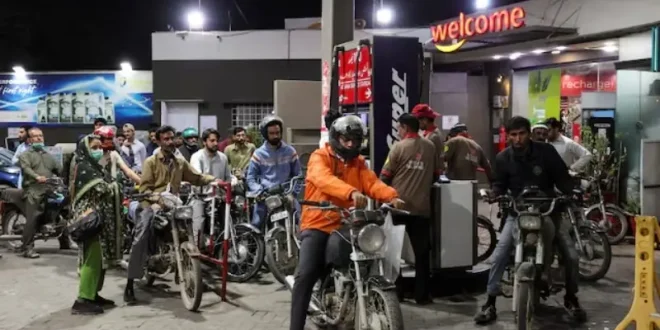
Pakistan Averts Fuel Strike: ECC Raises Petroleum Dealers’ Margin – A Deeper Look
In a critical move to ensure national fuel supply, Pakistan’s Economic Coordination Committee (ECC) has approved an increase in petroleum dealers’ margins, bringing immediate relief but also highlighting persistent structural issues in the energy sector.
The Immediate News: Averting Crisis
The federal cabinet’s Economic Coordination Committee (ECC), chaired virtually by Finance Minister Muhammad Aurangzeb, recently took a decisive step to prevent a nationwide fuel strike planned by the Pakistan Petroleum Dealers Association (PPDA). The ECC approved a 15.5 percent increase in the dealers’ margin on both petrol and high-speed diesel, raising it by Rs1.34 per litre from Rs8.64 to Rs9.98 per litre. This revised margin is slated to become effective from September 1st.
This urgent decision, made on a public holiday, successfully led the PPDA to call off its protest. The dealers had issued a 72-hour ultimatum, citing the government’s alleged failure to honor previous assurances regarding their demands, particularly a shift from fixed margins to a variable, percentage-based margin tied to retail fuel prices.
Background: A History of Demands and Dilemmas
The recent strike threat and subsequent government action are not isolated incidents but rather part of an ongoing struggle within Pakistan’s fuel distribution sector. Petroleum dealers have consistently lobbied for better profitability, arguing that their fixed margins are inadequate, especially amidst rising operational costs and volatile international oil prices.
- Fixed vs. Variable Margins: A core demand from the PPDA has been to replace the existing fixed margin with a variable margin, proposing it be set at 8 percent of the retail price of petrol and diesel. Official sources indicate that accepting this demand would significantly escalate the consumer burden, potentially raising margins to Rs26-30 per litre at current prices. The government has consistently resisted this, opting for incremental increases in the fixed margin instead.
- Previous Margin Revisions: The ECC had approved an increase of Rs2.56 per litre in dealers’ margins in December 2025. However, this decision was subsequently modified by the federal cabinet, linking 50 percent of the increase to a declining trend in petroleum prices and the remaining 50 percent to the achievement of digitization targets set by the Oil and Gas Regulatory Authority (Ogra) by both Oil Marketing Companies (OMCs) and dealers. This conditional implementation became a significant point of contention.
- Digitization Challenges: The digitization drive, aimed at enhancing transparency and efficiency in the supply chain, has faced resistance and slow progress. Dealers argue that its implementation is primarily the responsibility of OMCs and should not be linked to their profit margins. This has created a stalemate, with Ogra’s targets yet to be fully met.
- Daily Price Revisions: The shift from fortnightly to daily petroleum price revisions also added another layer of complexity for dealers, who then intensified their demand to link margins to retail prices, highlighting the impact of price volatility on their businesses.
The government finds itself in a precarious position, needing to balance the demands of essential service providers like fuel dealers with the broader economic implications, especially in a country already grappling with high inflation and a challenging fiscal environment.
Impact on Pakistan: A Balancing Act
The ECC’s decision carries multi-faceted impacts across various segments of Pakistani society and its economy:
For Consumers:
- Marginal Price Increase: While the Rs1.34 per litre increase seems minor, it directly contributes to the overall retail price of fuel. In a country where fuel prices significantly influence the cost of living, even small increments add to the burden on citizens already struggling with inflation.
- Indirect Inflationary Pressure: Increased fuel costs inevitably translate into higher transportation costs for goods and services, potentially triggering a ripple effect across supply chains and contributing to broader inflationary pressures on essential commodities.
- Averted Disruption: Crucially, the decision has prevented a nationwide fuel shortage, which would have had devastating immediate consequences on daily life, commerce, and industrial activity.
For Petroleum Dealers:
- Immediate Relief and Profitability: The margin increase offers much-needed financial relief and improves the profitability of thousands of petrol pumps across the country, ensuring their operational viability in the short term.
- Maintenance of Supply: The averted strike guarantees the uninterrupted supply of fuel, which is vital for the entire economy.
- Unresolved Long-term Demands: While the immediate crisis is over, the core demand for a variable margin linked to retail prices remains unaddressed, suggesting that this issue may resurface in the future.
For the Government and Economy:
- Crisis Aversion: The primary win for the government is the successful prevention of a crippling nationwide strike, demonstrating its ability to respond swiftly to critical threats to public services and economic stability.
- Fiscal Management Challenge: The decision reflects the continuous challenge of managing fiscal resources while addressing the demands of various stakeholders. Any increase in margins, while potentially borne by consumers, is part of the broader pricing structure that the government oversees.
- Policy Consistency: The government’s continued preference for fixed margin adjustments over a variable system indicates a cautious approach to avoid potentially massive and volatile increases in consumer fuel prices.
Analysis: Short-term Fixes vs. Structural Reforms
The ECC’s latest decision is a classic example of a government employing a short-term fix to avert an immediate crisis. While effective in preventing the strike and ensuring fuel availability, it largely sidesteps the deeper, structural issues plaguing Pakistan’s fuel distribution sector.
The persistent demand for a variable margin highlights a fundamental disconnect: dealers operate in a market with volatile input costs (fuel prices) but are often compensated with fixed margins that may not keep pace. The government’s reluctance to adopt a variable margin is understandable, given the potential for significant and unpredictable increases in retail fuel prices, which would inevitably be passed on to consumers. Such a move could exacerbate inflationary pressures and trigger public outcry, especially in an already economically sensitive environment.
Moreover, the ongoing saga of linking margin increases to digitization targets underscores a broader governance challenge. While digitization is crucial for transparency, efficiency, and combating pilferage in the fuel supply chain, its implementation has been slow. Dealers’ arguments that OMCs bear primary responsibility for this initiative suggest a need for clearer mandates, incentives, and accountability mechanisms across the entire value chain. Until these underlying issues are comprehensively addressed, the cycle of demands, ultimatums, and last-minute concessions is likely to continue.
The government’s decision to maintain the daily pricing mechanism also poses challenges for dealers, impacting their inventory management and financial planning. A more holistic review of the pricing structure, considering the interests of all stakeholders—consumers, dealers, OMCs, and the national exchequer—is essential for long-term stability.
Ultimately, while averting a fuel strike is a necessary tactical victory, Pakistan’s energy sector requires strategic reforms that move beyond crisis management. This includes fostering a transparent and efficient distribution network, incentivizing technological adoption, and establishing a fair and sustainable margin mechanism that accounts for market realities without unduly burdening the consumer. The current decision buys time, but the clock continues to tick on the need for comprehensive solutions.
“`
