Dost Pakistan Journeys Tours and safaris in the North & South Pakistsn
Related Articles

Balochistan’s Vital Rail Link Restored: Jaffar Express Navigates Security Threats
What Happened
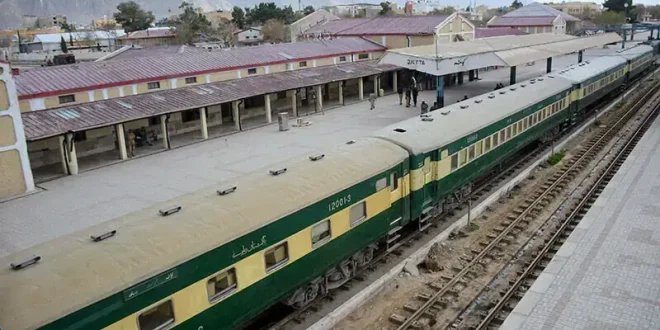
Pakistan Railways has successfully reinstated its full train operations from Balochistan, with the Jaffar Express resuming its service from Quetta to Peshawar on Saturday. This marks a crucial restoration of connectivity after a period of significant disruption in the province. The Jaffar Express, which serves as a vital artery for passenger and goods transport, had been suspended last Sunday following a vehicle-borne suicide bombing targeting a shuttle train near the Chaman railway crossing. While it saw a brief restoration two days later, the service was unexpectedly suspended again on Wednesday, this time without an official explanation from railway authorities. Its full return to schedule on Saturday is a welcome development for thousands of travelers and businesses dependent on this link.
Background: A Region Under Siege
The recent suspension and subsequent restoration of the Jaffar Express underscore the precarious security environment in Balochistan, Pakistan’s largest province by area. The suicide bombing that initially halted services is not an isolated incident but a grim reminder of the persistent insurgency and militant activities plaguing the region. Various separatist groups and religiously motivated militant factions frequently target state infrastructure, security forces, and sometimes civilian assets, aiming to disrupt economic activity and challenge government writ. Balochistan’s strategic geographical location, bordering Afghanistan and Iran, coupled with its vast natural resources and ongoing socio-economic grievances, makes it a hotbed for such conflicts. Furthermore, the province is a critical component of the ambitious China-Pakistan Economic Corridor (CPEC) projects, meaning stability in Balochistan is paramount for Pakistan’s broader economic and developmental aspirations.
Why It Matters: More Than Just a Train Ride
The Jaffar Express holds immense significance, far beyond its role as a simple mode of transport. Its consistent operation is vital for several reasons:
- National Connectivity: As the sole railway link between Quetta and Peshawar, it facilitates essential movement of people, goods, and resources, fostering national integration and ensuring access for citizens in remote areas.
- Economic Lifeline: The service is crucial for the local economy, enabling trade, supporting small businesses, and facilitating the movement of agricultural produce and other commodities across the country. Disruptions have direct economic consequences for a region already struggling with development.
- Public Confidence: The ability of Pakistan Railways and the state apparatus to restore and maintain essential services in the face of militant threats is a critical measure of governmental effectiveness. Repeated suspensions can erode public trust and create a sense of insecurity among citizens.
- Symbol of Resilience: Its prompt resumption symbolizes the state’s resolve to overcome adversity and maintain normalcy, offering hope and stability to a population frequently impacted by violence.
Impact on Pakistan: A Barometer of National Security
The challenges faced by the Jaffar Express reverberate across Pakistan, offering insights into the broader national security landscape:
- Vulnerability of Critical Infrastructure: The targeting of railway lines highlights the pervasive vulnerability of Pakistan’s critical national infrastructure to militant attacks. Safeguarding such networks is imperative for sustaining economic activity and ensuring citizen safety nationwide.
- Evolving Security Paradigm: These incidents necessitate a dynamic and adaptable security strategy. Beyond conventional defense, there is a growing need for enhanced intelligence gathering, preemptive measures, and rapid response capabilities, particularly in restive regions like Balochistan, which are pivotal for CPEC and regional trade.
- Socio-Economic Development Imperative: The recurring disruptions underscore that purely military solutions are insufficient for lasting peace. A comprehensive approach must address the root causes of discontent, including poverty, lack of educational and employment opportunities, and perceived marginalization, through targeted socio-economic development initiatives.
- Investor Confidence: For Pakistan, which is actively seeking foreign direct investment and strengthening its economic partnerships, consistent security challenges in strategically vital provinces can deter investors and impede the progress of crucial development projects, including those under CPEC.
Analysis: Resilience Amidst Enduring Challenges
The swift restoration of the Jaffar Express demonstrates the Pakistani state’s determination to maintain essential services and exert control over its territory, even in the face of significant and evolving security threats. However, the sequence of events — an initial suspension after a bombing, a brief return, followed by an unexplained second halt — points to a complex and fluid security situation. This likely involved urgent reassessments and heightened caution by authorities, reflecting the delicate balance between security imperatives and the need for public service. While the rapid return to service is commendable, it does not, by itself, resolve the deeper, systemic issues fueling militancy in Balochistan. The threat remains potent, demanding a multi-pronged, long-term strategy. This must encompass not only robust security enhancements for critical infrastructure and intensified intelligence operations but also, crucially, accelerated socio-economic development projects designed to integrate marginalized communities and address the grievances that often fuel extremism. For the Jaffar Express to truly become a symbol of enduring peace and progress, its continued operation must be underpinned by sustained efforts to secure and uplift the entire region, moving beyond immediate crisis management towards sustainable stability.