Dost Pakistan Journeys Tours and safaris in the North & South Pakistsn
Related Articles
“`html
Pakistan’s Political Crossroads: Referendum, Legitimacy, and the PTI-PPP Standoff
An original analysis dissecting the political currents in Pakistan, focusing on the PTI’s firm rejection of a referendum for new provinces and its pointed challenge to the PPP regarding electoral legitimacy and democratic principles.
The News: PTI Rejects Referendum, Demands Action from PPP
Pakistan Tehreek-e-Insaf (PTI) has categorically rejected recent proposals for a referendum concerning the creation of new provinces, labeling the idea as “absurd and futile.” According to the party, such a plebiscite cannot legally or constitutionally substitute for the requisite legislative process, which demands a two-thirds majority vote within both the national and relevant provincial assemblies. PTI’s central information secretary, Sheikh Waqas Akram, argued that merely floating the idea of a referendum, rather than pursuing proper parliamentary legislation, lends credence to the party’s long-held belief that the current assemblies lack legitimacy, having been formed on a “stolen mandate” derived from disputed Form-47 results.
Furthermore, the PTI issued a direct challenge to Pakistan Peoples Party (PPP) Chairman Bilawal Bhutto-Zardari. While acknowledging Bhutto-Zardari’s recent expressions of concern for incarcerated PTI founder Imran Khan and his classification as a “political prisoner,” Akram asserted that such words must be backed by concrete actions. To prove sincerity and move beyond what PTI perceives as a “good cop, bad cop” routine orchestrated by the PPP leadership, Akram demanded two immediate confidence-building measures: ensuring the return of “usurped reserved seats” to PTI and removing Faisal Karim Kundi as the Khyber Pakhtunkhwa (KP) governor, or expelling him from the PPP.
Background: A Nation Grappling with Electoral Integrity and Constitutionalism
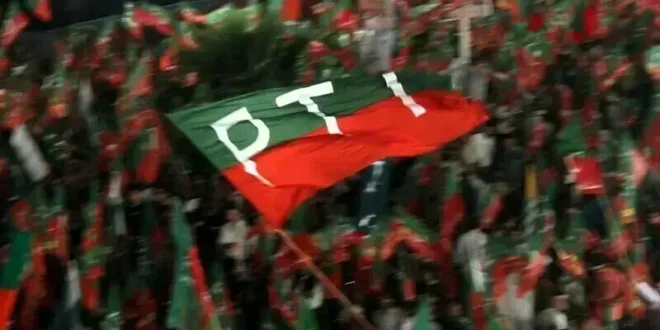
The political landscape in Pakistan is currently defined by an intense and deepening crisis of trust, particularly following the contentious general elections of February 2024. The Pakistan Tehreek-e-Insaf, whose candidates contested as independents due to a Supreme Court ban on their electoral symbol, consistently claims widespread rigging and manipulation of election results. Central to this claim is the discrepancy between Form-45s (detailed polling station results) and Form-47s (consolidated constituency results), with PTI alleging that Form-47s were manipulated to alter outcomes. This narrative forms the bedrock of PTI’s assertion that the current parliament lacks legitimacy, significantly impacting its willingness to engage with or endorse initiatives from the ruling coalition, which includes the PPP.
The debate over creating new provinces, often brought up for regions like South Punjab or Hazara, is not new in Pakistan’s political discourse. Proponents typically argue for improved governance, better resource allocation, and addressing regional development disparities. However, the constitutional process is arduous, requiring broad political consensus and super-majorities in both federal and provincial legislatures. Such proposals often serve as political tools, floated to gain leverage or test public sentiment rather than being serious legislative endeavors, especially when the proposer lacks the necessary parliamentary strength.
A critical element of PTI’s grievance is the “reserved seats” controversy. After the elections, PTI-backed independents, who secured the most seats, formally joined the Sunni Ittehad Council (SIC) to claim their share of reserved seats for women and minorities. However, the Election Commission of Pakistan (ECP) ruled against SIC, denying them these seats and subsequently distributing them among other parties, including those in the ruling coalition. This decision significantly boosted the parliamentary presence of rival parties and further marginalized PTI, fueling their claims of a “stolen mandate” and systematic attempts to undermine their electoral success.
Impact on Pakistan: Eroding Institutions and Deepening Polarization
The ongoing political deadlock, characterized by PTI’s consistent delegitimization of the government and the ruling coalition’s efforts to consolidate power, carries profound implications for Pakistan’s democratic health and stability. PTI’s outright rejection of a referendum on new provinces, while constitutionally valid in its call for proper legislative process, simultaneously underlines the party’s fundamental mistrust in the present setup. This stance effectively blocks any major governance reform that requires cross-party consensus, including crucial administrative restructuring, and entrenches political gridlock.
The PTI’s challenge to Bilawal Bhutto-Zardari, particularly regarding the return of “usurped reserved seats,” directly addresses a fundamental point of contention regarding parliamentary representation. The denial and redistribution of these seats have not only skewed the balance of power within the National Assembly but also potentially set a worrying precedent for the future of proportional representation and the integrity of electoral outcomes. Similarly, the demand to remove Faisal Karim Kundi, a PPP appointee, from the governorship of Khyber Pakhtunkhwa highlights the friction between the federal government and PTI-mandated provincial governments. Such appointments, especially from opposition parties, are often perceived as attempts to exert federal control and undermine provincial autonomy, leading to governance inefficiencies and public dissatisfaction in provinces like KP.
Broader allegations of “systematic electoral manipulation,” “undue interference,” and “controversial constitutional amendments” by the PTI point to a deeper crisis concerning the erosion of institutional independence. When critical state pillars like parliament and the judiciary are perceived as compromised or politicized, public trust in the democratic system diminishes. This erosion can lead to increased political instability, potentially fostering radicalization and a cycle of unrest. The persistent arrests and alleged disappearances of PTI leaders and workers, including former KP finance minister Taimur Saleem Jhagra, reinforce the narrative of political persecution, exacerbating human rights concerns and attracting scrutiny from domestic and international observers.
Analysis: The Strategic Chessboard of Legitimacy and Power
PTI’s strong condemnation of a referendum on new provinces transcends a mere constitutional argument; it is a calculated move to reinforce its central narrative: the inherent illegitimacy of the incumbent government. By branding any process initiated by the current assemblies as “fraudulent,” PTI aims to delegitimize all major policy initiatives, thereby maintaining political pressure on the ruling coalition and solidifying its own image as a wronged, yet unyielding, political force.
Bilawal Bhutto-Zardari’s recent comments expressing sympathy for Imran Khan, including labeling him a political prisoner, can be interpreted as a strategic attempt by the PPP to recalibrate its image. This “good cop” approach might aim to broaden the party’s appeal, mitigate some of the harsh criticisms against the ruling alliance, or position Bilawal as a more conciliatory figure. However, PTI’s swift challenge for concrete actions—specifically regarding the disputed reserved seats and the KP governorship—exposes the deep cynicism surrounding such gestures. For the PTI, rhetorical empathy is insufficient; a genuine shift would necessitate tangible concessions that acknowledge their perceived electoral mandate and rectify what they view as fundamental injustices.
The demands themselves are highly significant and strike at the core of the current power dynamics. The restitution of reserved seats to PTI would directly alter the parliamentary balance, bolstering the party’s legislative voice and weakening the coalition. Similarly, the removal of Governor Kundi would be a symbolic victory for PTI, affirming its provincial authority in KP against federal encroachment. These are not minor requests but fundamental challenges to the existing power structures established after the February elections, and to the perceived legitimacy of those arrangements.
Ultimately, this ongoing political drama highlights Pakistan’s profound crisis of legitimacy. Under the continued influence of its incarcerated founder, Imran Khan, PTI persistently questions the foundational premise of the current government. This confrontational stance compels a critical national introspection: Can Pakistan’s democratic institutions function effectively when a substantial portion of its electorate and a major political party fundamentally question the legitimacy of its government’s formation? The path forward demands not just legalistic adherence but a concerted effort to rebuild trust, uphold constitutional principles in spirit, and ensure that the collective voice of the Pakistani people, as expressed through the ballot, is genuinely respected and empowered in governance.
“`