Dost Pakistan Journeys Tours and safaris in the North & South Pakistsn
Related Articles

“`html
Pakistan’s Political Fault Lines: Why PPP Urges Focus on Public Issues Over New Provinces
The News
Recent political developments in Pakistan have highlighted underlying tensions within the ruling coalition, particularly between the Pakistan Peoples Party (PPP) and the Pakistan Muslim League-Nawaz (PML-N). The crux of the current dispute revolves around the contentious debate regarding the creation of new administrative provinces, a discussion vehemently opposed by the PPP. Senator Sherry Rehman, Vice President of the PPP, issued a strong appeal to the government to pivot its attention from creating new “political fault lines” to addressing the pressing issues faced by the populace, such as resource shortages and extreme weather conditions.
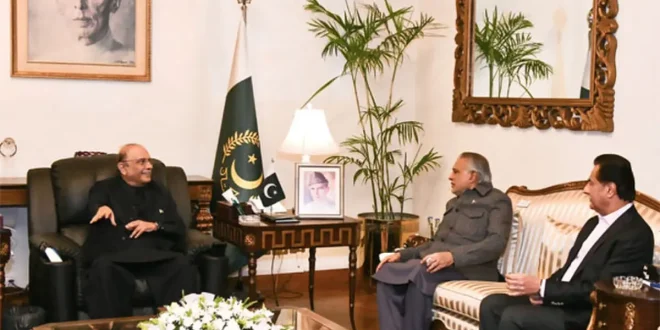
This call for restraint followed remarks by PPP Chairman Bilawal Bhutto-Zardari, who had earlier warned against the division of Sindh province, cautioning that such a move could lead to “bloodshed.” His statements, which also criticized the coalition on various fronts including the treatment of JUI-F chief Maulana Fazlur Rehman, Imran Khan’s incarceration, and the 27th Amendment, drew sharp reactions from PML-N ministers. In response to the escalating rhetoric, President Asif Ali Zardari engaged in crucial meetings with key government figures, including Deputy Prime Minister Ishaq Dar, National Assembly Speaker Sardar Ayaz Sadiq, and Prime Minister Shehbaz Sharif, emphasizing the need for dialogue and public restraint. The PPP has since reaffirmed its unwavering opposition to Sindh’s division, stressing that any such constitutional change must strictly adhere to the parliamentary process, not referendums.
Background
Pakistan’s political landscape is often characterized by intricate power-sharing agreements and historical rivalries. The current federal government is a coalition involving multiple parties, with the PPP and PML-N as dominant partners. While forming a government together often requires compromise, fundamental ideological and regional interests frequently surface, creating friction points. The debate over creating new provinces is one such perennial issue that strikes at the heart of Pakistan’s federal structure and identity.
Why the Debate on New Provinces?
The demand for new provinces often stems from perceived administrative inefficiencies, inequities in resource distribution, or ethno-linguistic grievances. Proponents argue that smaller administrative units can lead to better governance, improved service delivery, and a stronger sense of representation for marginalized communities. Historically, discussions have focused on areas like South Punjab, Bahawalpur, and Hazara. However, the proposal to divide Sindh carries significant historical and political weight. Sindh, home to diverse ethnic groups, particularly Sindhi and Urdu-speaking (Mohajir) populations, has experienced periods of intense ethnic politics. Any move to divide the province is seen by many Sindhi nationalists and parties like the PPP as an existential threat, potentially diluting their political influence and cultural identity. The “bloodshed” warning, though stark, reflects a deep-seated fear of social unrest if such a division were to proceed without broad consensus.
The constitutional process for creating new provinces is rigorous, requiring a two-thirds majority vote in both houses of parliament and the assent of the provincial assembly concerned. Senator Sherry Rehman’s clarification regarding referendums not overriding the constitutional parliamentary process underscores the legal framework that political actors must navigate. Bilawal Bhutto-Zardari’s complaints about a lack of consultation within the coalition, alongside his criticisms on other high-profile issues like the incarceration of former Prime Minister Imran Khan and the contentious 27th Amendment, further highlight a sense of being sidelined or undervalued within the alliance, suggesting a deeper dissatisfaction beyond just the provincial boundary debate.
Impact on Pakistan
The current political squabbling, particularly within the ruling coalition, has several significant ramifications for Pakistan’s stability and progress.
- Political Instability: Internal rifts weaken the government’s ability to present a united front, both domestically and internationally. This can lead to policy paralysis, making it difficult to enact crucial reforms or make tough decisions, especially given Pakistan’s fragile economic situation. A perceived lack of cohesion within the government can erode public trust and embolden opposition forces.
- Economic Implications: Political uncertainty is a major deterrent for both local and foreign investment. As Pakistan grapples with persistent economic challenges—including high inflation, a looming energy crisis, and ongoing negotiations with international lenders like the IMF—a stable political environment is paramount. Diverting attention from economic recovery to internal disputes only exacerbates the nation’s financial woes and makes the “difficult winter” warned by Senator Rehman even more precarious.
- Social Cohesion and National Unity: Debates over provincial boundaries, particularly in ethnically diverse regions, can easily ignite passions and exacerbate existing social divisions. Such discussions, if not handled with extreme care and consensus, risk fueling ethno-nationalist sentiments and undermining the delicate fabric of national unity. Bilawal’s “bloodshed” warning, while provocative, serves as a grim reminder of the potential for social unrest.
- Governance Deficit: When political leaders are preoccupied with internal power struggles and divisive debates, their focus invariably shifts away from the critical issues affecting the daily lives of citizens. Essential services, development projects, and addressing grievances related to resource shortages and climate change take a backseat, leading to a significant governance deficit and increased public disillusionment.
Analysis
The recent exchange of words and subsequent de-escalation efforts paint a clear picture of the complex dynamics at play within Pakistan’s coalition government. The PPP’s strong stance against new provinces, particularly the division of Sindh, is not merely a political maneuver but deeply rooted in its regional identity and historical narrative. For the PPP, safeguarding Sindh’s provincial integrity is paramount to its core political base and electoral future.
Bilawal Bhutto-Zardari’s assertive tone can be interpreted as a strategic move to reassert the PPP’s identity and influence within the coalition. By highlighting a lack of consultation and criticizing the government on various fronts, he is not only voicing genuine concerns but also signaling that the PPP is an indispensable partner whose voice must be heard and respected. This is a delicate balancing act: being part of the government while simultaneously positioning the party as a champion of public issues and protector of provincial rights.
The PML-N’s initial sharp reactions to Bilawal’s statements reflect their sensitivity to internal criticism and a desire to project an image of a united government. However, the subsequent involvement of President Asif Ali Zardari in mediating discussions underscores the critical need for coalition unity. As Head of State and a seasoned political figure, President Zardari’s role as a bridge-builder is crucial in preventing a full-blown political crisis that neither party can afford, especially given the myriad challenges facing Pakistan.
The emphasis by Senator Sherry Rehman on adhering to the constitutional parliamentary process over potentially divisive referendums is a timely reminder of the established legal pathways for such significant changes. This stance ensures that any debate on new provinces is conducted through legitimate legislative channels, fostering democratic stability rather than relying on populist measures that could further fragment society.
Ultimately, this episode serves as a stark reminder that while political maneuvering is inherent in democratic systems, the long-term stability and progress of Pakistan hinge on its leaders’ ability to transcend partisan differences. The real test for the PPP and PML-N, and indeed for all political parties, will be their capacity to foster genuine dialogue, prioritize national challenges like economic recovery and social welfare, and collectively address the “people’s problems” rather than creating new “political fault lines.” The anticipated meeting between Bilawal Bhutto-Zardari and Prime Minister Shehbaz Sharif will be a pivotal moment, determining whether this fragile truce can evolve into a more robust and consultative partnership for the benefit of the nation.
“`