 Dost Pakistan Journeys Tours and safaris in the North & South Pakistsn
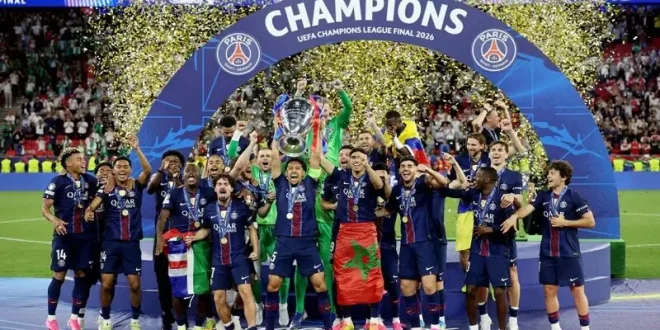
PSG Crowns New European Era with Back-to-Back Champions League Triumph
The Budapest Showdown: PSG’s Penalty Perfection
The final was a captivating affair, with Arsenal initially seizing the momentum. German forward Kai Havertz gave Mikel Arteta’s side an early lead, capitalizing on a defensive error just six minutes into the game. However, PSG, demonstrating their championship pedigree, fought back. A second-half penalty from Ousmane Dembele, awarded after a foul on Khvicha Kvaratskhelia, leveled the score, pushing the high-stakes encounter into extra time and ultimately a decisive penalty shootout. In the dramatic conclusion, Arsenal’s Eberechi Eze and Gabriel missed from the spot, handing PSG the coveted trophy.
Background: A Quest for European Dominance
PSG’s journey to this unprecedented back-to-back success is a tale of ambition, immense financial backing, and evolving football philosophy. Under Qatari Sports Investments for 14 years, the club has poured vast resources into assembling superstar squads, yet the Champions League trophy remained elusive until their inaugural win last year. This second triumph, however, feels different. It signals a potential shift from a collection of individual talents to a cohesive, dominant European force.
The architect of this transformation is undoubtedly coach Luis Enrique. Having previously guided Barcelona to Champions League glory in 2015, the Spaniard embarked on a radical squad overhaul, famously moving away from the “superstar” model to build a dynamic, committed, and fast-paced attacking unit. His third Champions League title places him in an elite group of only five coaches to achieve such a feat, cementing his legacy as one of football’s tactical masterminds.
For Arsenal, the final represented a poignant echo of their past. Two decades after their only other Champions League final defeat to Barcelona in 2006, the Gunners showcased immense resilience under Mikel Arteta. Despite their impressive Premier League campaign and a miserly defensive record leading up to the final, their European dream was once again agonizingly out of reach. Tactical choices, such as deploying Cristhian Mosquera at right-back due to Jurrien Timber’s injury and opting for Havertz over Viktor Gyokeres, initially seemed to pay off but ultimately couldn’t secure victory.
Why It Matters: A New Hegemony?
This victory holds profound significance for PSG and the landscape of European football. Firstly, it positions PSG not just as a financial powerhouse, but as a legitimate sporting dynasty in the making. Only Real Madrid had achieved consecutive Champions League wins in the modern era, and PSG now joins that exclusive club. This validates the Qatari ownership’s long-term vision and investment, proving that sustained success at the highest level is achievable through strategic planning and bold managerial decisions.
Secondly, Luis Enrique’s success serves as a powerful testament to his coaching philosophy. His ability to strip away the celebrity culture and instill a collective, high-intensity playing style has delivered the ultimate prize twice. This approach could influence future club building strategies across Europe, emphasizing team cohesion and tactical discipline over individual star power.
For Arsenal, this defeat, while painful, should not overshadow their remarkable progress under Arteta. Their consistent challenge for the Premier League title and reaching a Champions League final demonstrates significant growth. However, it also highlights the mental and tactical hurdles they must overcome to convert potential into silverware on the biggest European stage. The fine margins of a penalty shootout underscore the need for composure and ruthlessness in critical moments, a lesson that will undoubtedly fuel their ambition for future campaigns.
Impact on Pakistan: Inspiring the Next Generation
While the UEFA Champions League final directly impacts the European football ecosystem, its global reach extends far beyond. In Pakistan, where football enjoys a passionate and rapidly growing following, such high-profile matches captivate millions. Fans keenly follow European leagues, with allegiances often forming around iconic clubs like Arsenal and PSG.
The drama of a Champions League final, particularly one decided by a penalty shootout, serves as a powerful inspiration for aspiring young footballers and sports enthusiasts across Pakistan. The narratives of resilience (Arsenal), strategic rebuilding (PSG), and individual brilliance (Havertz, Kvaratskhelia) provide valuable lessons in dedication, teamwork, and perseverance. These events foster a deeper engagement with the sport, encouraging participation at grassroots levels and fueling interest in football development initiatives within the country, even if the direct economic or political impacts are minimal. The demand for broadcast rights and football merchandise also sees an indirect boost, contributing to the broader sports economy.
Analysis: Luis Enrique’s Masterstroke and Arsenal’s Agonizing Wait
PSG’s triumph is a culmination of a meticulously executed plan by Luis Enrique. His brave decision to dismantle the previous “galactico” approach, which often saw individual brilliance overshadow collective effort, has paid dividends spectacularly. He fostered a squad where every player understood their role, contributing to a relentless, high-pressing, and fluid attacking system. The integration of talents like Khvicha Kvaratskhelia and the re-energized Ousmane Dembele, alongside the experienced core, created a formidable unit that could both control possession and unleash terrifying pace on the counter. Their confidence in penalty shootouts, having won three trophies this season through spot-kicks, speaks volumes about the team’s mental fortitude under pressure.
Arsenal, under Mikel Arteta, demonstrated their maturity and tactical discipline. Their defensive solidity throughout the tournament was exceptional, successfully stifling PSG’s formidable attack for long periods of the final. The early goal from Havertz showcased their ability to strike decisively. However, the final exposed areas for refinement. While resilient, they struggled to convert possession into further clear-cut chances, especially after PSG equalized. The penalty shootout, a cruel decider, highlighted a slight lack of big-game composure compared to their more experienced opponents. The misses from Eze and Gabriel will undoubtedly haunt them, underscoring the fine margins at the elite level.
Ultimately, this final was a fascinating clash of philosophies. PSG’s victory is a testament to the power of a clear vision, smart recruitment, and the strategic brilliance of a top-tier coach. For Arsenal, while disappointment will linger, their performance signals that they are firmly back among Europe’s elite. The challenge now for PSG is to maintain this newfound dominance and truly establish a lasting legacy, while Arsenal will be driven to bridge that final, painful gap to European glory.
