Dost Pakistan Journeys Tours and safaris in the North & South Pakistsn
Related Articles


“`html
Bilawal Bhutto’s Gilgit-Baltistan Pledges: A Strategic Move for Pakistan’s Water Security and Regional Rights
As the political temperature rises ahead of the Gilgit-Baltistan (G-B) polls on June 7, Pakistan Peoples Party (PPP) Chairman Bilawal Bhutto-Zardari has made a pivotal pledge: an immediate resolution to the long-standing resettlement grievances of those displaced by the construction of the crucial Diamer-Bhasha Dam, should his party secure victory. This promise, delivered during a rally in Diamer, underscores the complex interplay between national development projects, regional autonomy, and electoral politics in Pakistan.
What Happened: PPP’s Campaign Focus in Gilgit-Baltistan
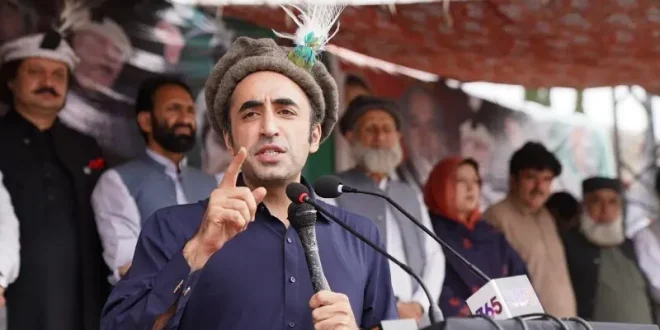
Bilawal Bhutto-Zardari, flanked by his sister Aseefa Bhutto-Zardari, has been actively campaigning in Gilgit-Baltistan, intensifying efforts to garner support for the upcoming elections. His central message revolves around addressing the plight of citizens affected by the Diamer-Bhasha Dam, promising swift action on resettlement issues if the PPP forms the government in G-B. He asserted that the dam project saw significant momentum during his father, former President Asif Ali Zardari’s tenure, suggesting that its completion was delayed after 2013 due to political changes.
Beyond the dam, Bilawal highlighted the PPP’s historical commitment to G-B, specifically crediting President Zardari for granting the region its current identity, moving away from the “Northern Areas” designation. He called for the election of a “jiyala” (devoted worker) Chief Minister, vowing to secure G-B’s constitutional rights and leverage public-private partnerships for energy self-sufficiency and economic growth. The campaign also saw Bilawal taking jabs at political rivals, particularly the PML-N, suggesting that their methods of “throwing money” might work elsewhere but not in the honorable region of G-B, while reminding them of the 18th Amendment and NFC Award’s role in provincial development.
Background: The Significance of Diamer-Bhasha Dam and Gilgit-Baltistan
The Diamer-Bhasha Dam is a colossal infrastructure project crucial for Pakistan’s long-term water security and energy needs. Designed to be one of the world’s tallest roller-compacted concrete (RCC) dams, it holds the promise of substantial hydropower generation and vital water storage capacity for irrigation in a country increasingly vulnerable to climate change and water scarcity. However, like many large-scale development projects globally, it has faced significant hurdles, not least of which are the complex issues of land acquisition and fair compensation for displaced communities. Recent protests by the ‘Huqooq Do, Dam Banao’ (ensure rights, build the dam) movement in Chilas and Thore, citing non-implementation of a 2025 agreement on compensation, underscore the deep-seated grievances.
Gilgit-Baltistan (G-B), strategically located at the crossroads of South and Central Asia, holds a unique and somewhat ambiguous constitutional status within Pakistan. Rich in natural beauty and resources, its people have long demanded greater constitutional rights and provincial autonomy. The region’s elections are fiercely contested by national parties vying for influence. The PPP, historically, has positioned itself as a champion of regional rights and empowerment, particularly under the legacy of Zulfiqar Ali Bhutto and Benazir Bhutto.
Why It Matters: Stakes for G-B, PPP, and National Development
Bilawal’s specific focus on the Diamer-Bhasha Dam resettlement issues is a strategically calculated move. For the residents of G-B, it addresses a core concern directly impacting their livelihoods and ancestral lands. Unresolved compensation issues have not only caused economic hardship but also fostered a sense of injustice and alienation. A credible pledge, if fulfilled, could rebuild trust and demonstrate genuine commitment to the region’s people.
For the PPP, winning in G-B would be a significant political victory, allowing the party to consolidate its influence in a critical northern region. It positions Bilawal as a leader capable of delivering on promises related to national development and regional empowerment, enhancing his national political profile ahead of future general elections. The emphasis on the dam’s progress under President Zardari also seeks to highlight the party’s legacy of development and nation-building.
Furthermore, the political commitment to expedite the Diamer-Bhasha Dam project holds immense importance for Pakistan’s overall economic and environmental well-being. Any progress on this front, spurred by political will, could accelerate the project’s completion, thereby bolstering the nation’s water and energy security, crucial for agricultural productivity and industrial growth.
Impact on Pakistan: National Cohesion and Development Goals
The outcome of the G-B elections and the subsequent actions regarding the Diamer-Bhasha Dam will have profound implications for Pakistan. Successfully addressing the dam’s resettlement challenges is not merely a regional issue; it’s a test of the federal government’s ability to manage large-scale projects fairly and transparently. A just resolution can foster greater national cohesion, building bridges of trust between the federal center and historically marginalized regions like G-B.
Economically, the Dam’s completion is a game-changer, offering a sustainable source of clean energy and safeguarding agricultural lands against droughts. The PPP’s vision for G-B to not only meet its own energy needs but also “sell it to the rest of the country” highlights the potential for the region to become a net energy contributor, spurring local economic development and contributing to national GDP. Moreover, Bilawal’s repeated references to the 18th Amendment and the National Finance Commission (NFC) Award underscore the ongoing national dialogue about provincial autonomy and equitable resource distribution, which is fundamental to Pakistan’s federal structure and long-term stability.
Analysis: Electoral Strategy and Future Prospects
Bilawal Bhutto-Zardari’s campaign strategy in Gilgit-Baltistan is a calculated blend of populist appeal, historical claims, and forward-looking promises. By directly tackling the highly sensitive issue of Diamer-Bhasha Dam resettlement, he taps into a deep vein of local discontent, positioning the PPP as the party most attuned to the region’s needs. His references to the party’s legacy, particularly President Zardari’s role in G-B’s identity and the 18th Amendment, aim to bolster the PPP’s credibility and commitment to provincial empowerment.
The rhetoric, including playful digs at rivals like Prime Minister Shehbaz Sharif’s “Shehbaz speed,” is typical of electioneering, designed to draw sharp contrasts and energize the party base. Aseefa Bhutto-Zardari’s participation further reinforces the party’s dynastic appeal and broadens its reach, particularly among youth and women, by promising educational and employment opportunities.
However, delivering on such ambitious pledges, especially the “immediate basis” resolution of resettlement issues, will be a formidable challenge. The complexities of land acquisition, compensation disbursements, and bureaucratic hurdles are substantial. While the federal government’s role is critical for the dam’s progress, the G-B government, if led by the PPP, would face immense pressure to translate these promises into tangible results. The success or failure in addressing these core issues will not only determine the PPP’s future standing in G-B but also set a precedent for how national development projects impact local communities across Pakistan.
Ultimately, these G-B elections are more than just a regional contest; they are a critical barometer of public sentiment, a test of political leadership, and a significant chapter in Pakistan’s ongoing journey towards equitable development and strengthened federalism.
“`