Dost Pakistan Journeys Tours and safaris in the North & South Pakistsn
Related Articles


Pakistan’s Relentless Battle Against Terrorism: An Analysis of Counter-Terrorism Operations in Khyber Pakhtunkhwa
The Latest in Pakistan’s Counter-Terrorism Drive
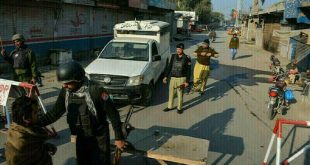
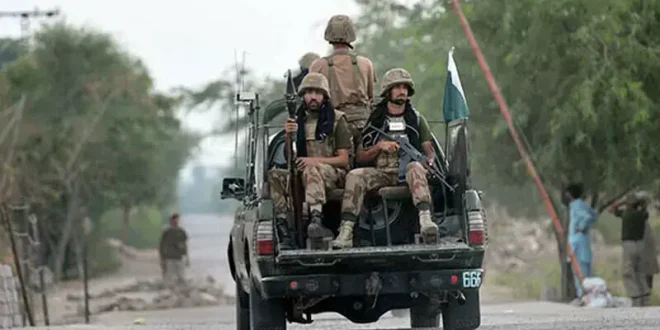
In a continued demonstration of its resolve against extremist elements, Pakistan’s security forces recently conducted an intelligence-based operation (IBO) in the Dera Ismail Khan (DI Khan) district of Khyber Pakhtunkhwa (KP). This critical operation resulted in the killing of three terrorists, adding to a series of successful engagements in the region.
The swift action garnered commendation from the highest echelons of the state, with President Asif Ali Zardari and Prime Minister Shehbaz Sharif applauding the security forces. President Zardari underscored the vital role of these effective operations in dismantling terrorist networks and reiterated the state’s unwavering commitment to thwarting “nefarious designs” often supported by external actors. Prime Minister Sharif, echoing a strong national resolve, reaffirmed the government’s dedication to completely eradicating what the state terms “Fitna al-Khawarij” – a significant reference to the banned Tehreek-i-Taliban Pakistan (TTP).
This incident is not an isolated event but part of an intensified campaign. Just a day prior, security forces eliminated eight terrorists, including three commanders, in another DI Khan IBO. The region has seen a surge in such operations, with multiple successful engagements in Mir Ali and Bara areas of KP, indicating a concerted and sustained pressure against militant strongholds.
Background: The Resurgence of Militancy in Khyber Pakhtunkhwa
Khyber Pakhtunkhwa, particularly its southern districts like Dera Ismail Khan, has long been a focal point of militancy due to its strategic location bordering Afghanistan. The term “Fitna al-Khawarij,” used by the state to describe the TTP, historically refers to early Islamic sects known for their rebellion against established authority and extreme interpretations, thereby framing the TTP as an illegitimate and deviant force challenging the very fabric of Pakistani society and state.
The security landscape in KP has significantly deteriorated, especially since the withdrawal of international forces from Afghanistan and the subsequent Taliban takeover in August 2021. This shift has emboldened the TTP, which reportedly enjoys sanctuary and operational freedom across the border, leading to a noticeable uptick in terrorist activities within Pakistan.
Data from the Pakistan Institute for Conflict and Security Studies (PICSS) paints a grim picture: August recorded a 50 percent increase in terrorist attacks in KP (excluding merged districts) compared to July, with 54 incidents versus 36. These attacks range from targeted killings and improvised explosive device (IED) blasts to complex suicide assaults on security installations and civilian targets, such as the recent suicide blast in DI Khan’s Darazinda tehsil and a major attack in Kohat’s old Police Lines that claimed dozens of lives.
Impact on Pakistan: A Multi-faceted Challenge
The persistent threat of terrorism in KP casts a long shadow over Pakistan, impacting several critical areas:
- National Security and Stability: The primary impact is a direct challenge to the state’s authority and its ability to protect its citizens. The continuous need for counter-terrorism operations diverts resources and attention from other essential development goals.
- Economic Repercussions: Instability deters both local and foreign investment, especially in KP, a province with significant potential for trade and tourism. Infrastructure development is hampered, and the daily lives of businesses and workers are disrupted, contributing to economic stagnation in affected areas.
- Social Cohesion and Public Morale: Frequent attacks foster fear, insecurity, and social fragmentation within communities. There’s a tangible psychological toll on the populace, alongside the tragic loss of life and injury. The threat of radicalization and extremism also poses a challenge to the moderate values of society.
- Regional Dynamics and Geopolitics: Pakistan’s counter-terrorism efforts are crucial not just for its internal stability but also for regional peace. Cross-border militancy strains diplomatic relations, particularly with Afghanistan, as Pakistan consistently urges the Afghan Taliban regime to take decisive action against TTP sanctuaries.
- Humanitarian Concerns: While not as widespread as past displacements, localized conflicts and security operations can lead to internal displacement, impacting livelihoods and creating humanitarian needs for affected populations.
Analysis: Sustained Pressure, Enduring Challenges
The recent spate of intelligence-based operations in DI Khan and other parts of KP underscores Pakistan’s evolving counter-terrorism strategy. The emphasis on “intelligence-based operations” suggests a shift towards more targeted, precise, and preemptive actions designed to dismantle militant networks rather than broad, indiscriminate military campaigns. The success in killing key commanders alongside other terrorists indicates a deliberate effort to decapitate leadership and disrupt operational capabilities.
This sustained pressure is critical to deny militants safe havens, disrupt their planning, and degrade their ability to launch attacks. The strong political endorsements from President Zardari and Prime Minister Sharif signal a unified state resolve and provide morale support to the security forces, reinforcing the government’s commitment to prioritizing national security.
However, significant challenges remain. The TTP’s resilience, its capacity to recruit, and alleged external support (as hinted by President Zardari) continue to fuel the insurgency. The porous border with Afghanistan remains a critical vulnerability, allowing militants to retreat and regroup. Moreover, while military operations are essential, they are only one part of a comprehensive solution.
Long-term success in Pakistan’s fight against terrorism will require a multi-pronged approach:
- Effective Border Management: Strengthening border controls and intelligence sharing with neighboring countries is paramount to preventing cross-border movement of terrorists.
- Addressing Root Causes: Socio-economic development, improving governance, and providing educational and economic opportunities in vulnerable areas can help counter extremist narratives and prevent radicalization.
- Community Engagement: Building trust and cooperation between security forces and local communities is crucial for intelligence gathering and isolating militants.
- Counter-Narrative: Developing a robust ideological counter-narrative against extremist ideologies like “Fitna al-Khawarij” is essential to win the hearts and minds of the populace.
- Regional Cooperation: Consistent diplomatic efforts and coordinated action with regional partners, particularly Afghanistan, are vital to eliminate shared threats.
In conclusion, while Pakistan’s security forces are making significant strides in their intelligence-based operations, demonstrating unwavering commitment and strategic effectiveness, the battle against terrorism is far from over. It is a complex and enduring challenge that demands a holistic, sustained, and regionally cooperative approach to ensure lasting peace and security for the nation.
“`