 Dost Pakistan Journeys Tours and safaris in the North & South Pakistsn
Related Articles



“`html
PM Shehbaz Stresses Immediate Follow-up on China MoUs: A Critical Juncture for Pakistan-China Economic Ties
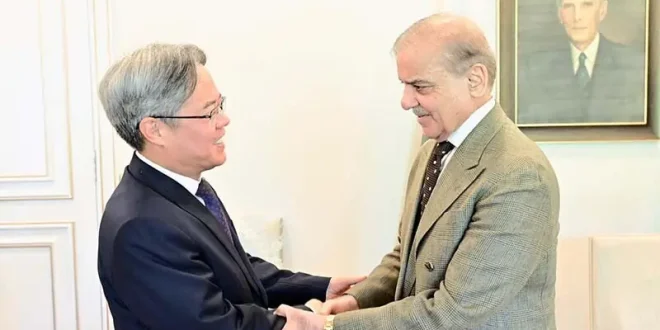
Islamabad, Pakistan – In a clear signal of intent, Prime Minister Shehbaz Sharif recently convened with Chinese Ambassador Jiang Zaidong, underscoring the urgent need to operationalize the significant memoranda of understanding (MoUs) inked during his recent visit to China. This meeting transcends mere diplomatic pleasantries, reflecting Pakistan’s palpable desire to translate strategic goodwill into tangible economic progress and accelerate the trajectory of the China-Pakistan Economic Corridor (CPEC).
What Happened: A Call for Action on $7 Billion in Commitments
The core of the recent engagement between Prime Minister Shehbaz Sharif and Chinese Ambassador Jiang Zaidong was a powerful directive: to move swiftly from agreement to implementation. Following a productive visit to China in May, where PM Sharif chaired the third Pakistan-China Business-to-Business (B2B) Investment Conference in Hangzhou, more than $7 billion worth of agreements and MoUs were signed. These pledges spanned critical sectors such as charging infrastructure, battery energy storage, solar technologies, and pharmaceuticals.
During the meeting, the Prime Minister not only expressed gratitude for the successful China trip but, more significantly, emphasized the need for immediate, concerted efforts from both sides to follow up on these decisions. He specifically highlighted expanding cooperation in key CPEC 2.0 areas, including agriculture, IT, industries (with a focus on Special Economic Zones – SEZs), and mines and minerals. Discussions also touched upon fast-tracking projects like the Karakoram Highway (KKH) realignment, bolstering security and counter-terrorism measures, and enhancing broader economic and financial support between the two “All-Weather Strategic Cooperative Partners.”
Background: Decades of Strategic Alliance and Evolving CPEC Dynamics
The relationship between Pakistan and China, often described as “ironclad” and an “All-Weather Strategic Cooperative Partnership,” spans 75 years of robust diplomatic ties. This deep bond is characterized by extensive cooperation across diplomatic, economic, defence, and cultural spheres. A cornerstone of this partnership is the China-Pakistan Economic Corridor (CPEC), a flagship initiative under China’s Belt and Road Initiative (BRI).
Initially launched with a focus on massive infrastructure and energy projects to address Pakistan’s chronic power shortages and improve connectivity, CPEC is now transitioning into its second phase, often referred to as CPEC 2.0. This evolution aims to diversify its scope, concentrating on industrialization (particularly within SEZs), agriculture modernization, information technology, and the development of Pakistan’s rich mining sector. This shift is crucial for Pakistan, which currently grapples with significant economic challenges, including a persistent balance of payments crisis, high inflation, and the continuous need for foreign direct investment (FDI) to spur job creation and sustainable growth.
The recent MoUs, therefore, align perfectly with this strategic pivot, targeting sectors that promise higher value addition, export potential, and direct benefits for the Pakistani economy. The 75th anniversary of diplomatic relations serves as a powerful backdrop, reinforcing the enduring commitment of both nations to this vital partnership.
Why It Matters: Translating Potential into Economic Reality
The Prime Minister’s forceful insistence on immediate follow-up is more than just a procedural formality; it represents a critical turning point for Pakistan’s economic ambitions. For a nation heavily reliant on external financing and struggling to attract significant FDI, the successful implementation of these $7 billion MoUs is paramount. Here’s why it matters:
- Economic Imperative: Pakistan desperately needs foreign capital to stabilize its economy, create employment, and fuel sustainable growth. MoUs are commitments; turning them into active projects generates jobs, boosts industrial output, and can help alleviate financial pressures.
- Credibility and Confidence: Expediting these projects would signal to the international investor community that Pakistan is a serious and reliable destination for investment, capable of efficiently executing large-scale initiatives.
- Validation of CPEC 2.0: The focus on agriculture, IT, industries, and mining underscores the pragmatic shift in CPEC’s objectives. Successful projects in these areas will demonstrate the viability and benefits of this new, diversified phase of the corridor.
- Political Will: The PM’s direct intervention demonstrates high-level political will to remove bureaucratic hurdles and facilitate Chinese investments, which is often a key concern for foreign investors.
- Strategic Deepening: Beyond economics, the discussions on security and defence cooperation highlight the comprehensive, multi-faceted nature of the Pakistan-China relationship, crucial for regional stability and safeguarding CPEC assets.
Impact on Pakistan: A Pathway to Revitalization
Should these MoUs successfully materialize into concrete projects, the potential impact on Pakistan’s economy and development trajectory would be substantial:
- Economic Revitalization: The influx of over $7 billion in investment, particularly in productive sectors, could provide a much-needed stimulus to Pakistan’s struggling economy, contributing to GDP growth and fostering economic stability.
- Sectoral Growth and Modernization:
- Energy: Investments in solar, battery storage, and charging infrastructure will help Pakistan transition to cleaner energy, reduce reliance on costly fossil fuels, and improve energy security.
- Pharmaceuticals: Boosting local pharmaceutical production can enhance healthcare accessibility, reduce import bills, and position Pakistan as a regional manufacturing hub.
- Agriculture: Modernization through Chinese expertise and technology can increase yields, improve food security, and enhance agricultural exports.
- IT and Industrial SEZs: These areas promise high-skill job creation, technology transfer, and opportunities for local businesses to integrate into global supply chains.
- Mines & Minerals: Unlocking Pakistan’s vast mineral wealth through modern extraction and processing techniques can generate significant revenue and create thousands of jobs.
- Job Creation: New projects across these diverse sectors will generate numerous employment opportunities, from skilled labor to management positions, addressing a critical challenge for Pakistan’s burgeoning youth population.
- Enhanced Connectivity: The KKH realignment project, for instance, will further improve trade and transit routes, strengthening Pakistan’s position as a regional trade nexus.
- Technology Transfer: Chinese investment often comes with the transfer of technology and best practices, which can significantly upgrade Pakistan’s industrial and technological capabilities.
However, the realization of these impacts hinges on efficient project management, a conducive regulatory environment, and sustained political commitment, especially regarding security and addressing concerns of foreign investors.
Analysis: The Race Against Time for Tangible Results
Prime Minister Shehbaz Sharif’s strong emphasis on “immediate action” is not just rhetoric; it’s a strategic imperative. It signals a proactive approach to prevent the “implementation gap” – a common challenge where initial agreements fail to translate into on-the-ground realities due to bureaucratic inertia, funding issues, or other roadblocks. This direct instruction from the highest office is a clear message to all relevant ministries and departments within Pakistan to prioritize and expedite the necessary processes for Chinese investors.
Furthermore, China’s consistent engagement and willingness to commit substantial investment, even amidst Pakistan’s economic volatility, underscore its unwavering strategic confidence in the partnership. For Beijing, CPEC is a vital component of its broader Belt and Road Initiative, enhancing connectivity and stability in a crucial geopolitical region. The diversification into sectors like agriculture and IT also reflects a maturity in the CPEC framework, moving beyond initial large-scale infrastructure to more sustainable, production-oriented growth.
The true success of this renewed push will depend on Pakistan’s ability to provide a streamlined, secure, and attractive investment climate. While the political will from the top is evident, overcoming bureaucratic red tape, ensuring security for Chinese personnel and projects, and maintaining consistent policy frameworks will be crucial. The outcome of these follow-up actions will not only dictate the pace of CPEC 2.0 but also serve as a vital indicator of Pakistan’s capacity to leverage its strategic partnerships for genuine economic revitalization.
“`