Dost Pakistan Journeys Tours and safaris in the North & South Pakistsn
Related Articles

“`html
Analysis: Jacobabad Village Torching – A Clash of Choice and ‘Honor’ in Pakistan
What Happened: A Marriage, an Arson, and a Court Order
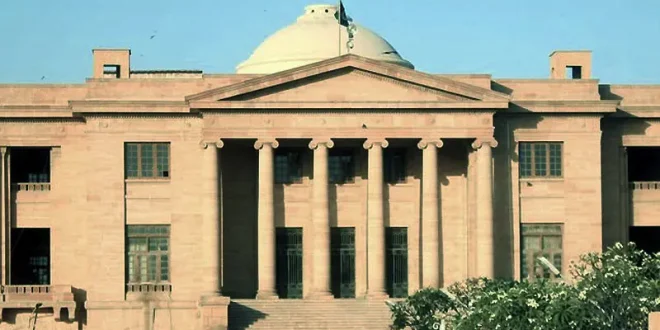
In a stark illustration of the challenges faced by individuals seeking personal autonomy in parts of Pakistan, the Sindh High Court (SHC) recently intervened to protect a newlywed couple from Jacobabad. Hassan Buriro and Sidra Channa, having solemnized their marriage by choice on May 5th, found themselves in a perilous situation after their union was met with fierce disapproval from the bride’s relatives. This defiance of familial expectations allegedly escalated into a horrific act of collective punishment: the torching of over a hundred homes in the groom’s Siddique Arain village on May 13th, causing extensive property damage and widespread panic, though thankfully no casualties were reported.
Responding to an application for protection, Justice Saleem Jessar of the SHC issued a critical directive, mandating police security for the couple and emphasizing the state’s responsibility to safeguard their “life, honour, and property.” The court also moved to ensure due legal process, ordering the investigation officer to submit the case challan promptly. The incident drew immediate condemnation from Sindh Chief Minister Murad Ali Shah, who branded the mass arson as “inhuman and intolerable,” ordering a swift report and action against those responsible for the Jacobabad violence.
Background: The Deep Roots of ‘Honor’ and Traditional Power in Sindh
The Jacobabad incident is not an isolated event but rather a visceral manifestation of deeply entrenched socio-cultural norms in many rural and tribal areas of Pakistan, particularly Sindh. The concept of “marriage of choice,” often termed “love marriage,” frequently clashes with the prevailing tradition of arranged marriages, where family elders dictate alliances based on tribal, economic, or social considerations. Deviating from these pre-ordained unions is often perceived as an affront to family honor, bringing “shame” upon the clan. This perceived dishonor can trigger extreme, often violent, reactions aimed at restoring the family’s standing or punishing the transgressors, a pervasive issue contributing to honor-related violence in Pakistan.
Such conflicts are further complicated by the robust presence of tribal and feudal systems, where informal jirgas (councils of elders) often wield more influence than state law enforcement. Decisions made by these jirgas can range from social ostracization to violent retribution, effectively creating a parallel justice system. The widespread practice of collective punishment, as seen in the torching of an entire village, serves as a brutal warning to others who might consider defying traditional norms, underscoring the powerful grip of these traditional power structures over individual rights and posing a significant challenge to the rule of law in Sindh.
Why It Matters: A Battle for Rights and Rule of Law
This incident transcends the immediate tragedy of property destruction; it represents a critical juncture in Pakistan’s ongoing struggle to uphold the rule of law against deeply ingrained customs. It highlights several pressing issues:
- Individual Liberty vs. Collective Control: At its core, the Jacobabad case is a battle for individual agency – the right to choose one’s life partner – against the overwhelming pressures of familial and tribal authority. It spotlights the critical importance of protecting marriages of choice in Pakistan.
- State’s Efficacy in Protecting Citizens: The SHC’s intervention, while crucial, underscores the need for robust and proactive state mechanisms to protect vulnerable citizens from private violence, especially when traditional norms clash with constitutional rights. The Sindh High Court protection order is a vital step.
- Prevalence of Violence and Impunity: The brazen act of setting fire to over 100 homes indicates a troubling sense of impunity among perpetrators, who might believe they can operate outside the bounds of formal law due to their tribal influence. This speaks to broader challenges in Pakistan’s justice system.
- Economic and Social Disruption: Beyond the immediate threat to life, such acts devastate communities, displacing families and causing immense material loss, hindering socio-economic development in already vulnerable regions.
Impact on Pakistan: Eroding Trust and Stifling Progress
Incidents like the Jacobabad village torching have far-reaching implications for Pakistan’s societal fabric and international standing. They chip away at public trust in the state’s ability to deliver justice and security, particularly for marginalized communities. When private violence is perceived to go unpunished, it perpetuates a cycle of fear and retribution, making true reconciliation and progress difficult. Such social issues in Pakistan impede national cohesion.
Such events also cast a shadow on Pakistan’s human rights record, especially concerning women’s rights and personal freedoms. While the country has made strides in legal reforms, the effective implementation remains a significant challenge, particularly in areas where traditional power structures are potent. Furthermore, an environment marred by instability and tribal feuds deters investment, hinders educational advancement, and ultimately impedes the nation’s broader development goals. It presents a stark contrast to the vision of a modern, rights-respecting society, highlighting the ongoing struggle against tribal justice in Pakistan.
Analysis: A Call for Sustained Enforcement and Societal Shift
The Sindh High Court’s directive for protection, coupled with Chief Minister Shah’s strong condemnation, offers a glimmer of hope that state institutions are willing to assert their authority against unlawful acts committed in the name of ‘honor.’ However, the real test lies in the sustained enforcement of these orders and ensuring that those responsible for the arson are brought to justice, regardless of their social standing or tribal affiliation. Past experiences show that legal victories often face significant hurdles in implementation, especially when local police forces are swayed by tribal pressures or political influence, eroding confidence in the rule of law in Sindh.
Ultimately, addressing the root causes of such violence requires more than judicial intervention; it necessitates a multi-pronged approach encompassing legal reforms, public awareness campaigns, and educational initiatives to challenge harmful traditional norms. Strengthening the justice system, empowering local administration to resist external pressures, and fostering a culture of respect for individual rights are paramount. The Jacobabad incident serves as a poignant reminder that while laws exist, the journey towards a society where every citizen can exercise their fundamental rights without fear of reprisal is still a long and arduous one for Pakistan. It’s a critical moment for the state to demonstrate that constitutional rights will always supersede arbitrary traditions, ensuring human rights in Pakistan are upheld universally.
“`