Dost Pakistan Journeys Tours and safaris in the North & South Pakistsn
Related Articles


“`html
Pakistan’s Fuel Price Chess: Micro-Adjustments Amidst Macroeconomic Volatility
Pakistan’s fuel consumers woke up on November 21, 2026, to a mixed bag of news: a slight reduction in petrol prices, but an increase in diesel. The Oil and Gas Regulatory Authority (OGRA) announced a Re1 per litre decrease for petrol, bringing its retail price to Rs322, while diesel saw a Rs2 per litre hike, setting its new rate at Rs357. This latest adjustment highlights the delicate balance the government attempts to strike in a market heavily influenced by global events and domestic fiscal constraints.
The Immediate News: A Glimmer of Relief, A Pinch of Pain
The latest notification from OGRA means petrol consumers will pay Rs322 per litre, down from Rs323 on November 20. Conversely, High-Speed Diesel (HSD) users will now shell out Rs357 per litre, up from Rs355. This comes after petrol had experienced a significant downward trend over recent weeks, only to see that “12-day streak of consecutive reductions” broken the previous day when its price slightly increased. The Re1 cut on November 21 thus offers a minor reversal to that brief uptick, aiming to restore some momentum of relief for private commuters.
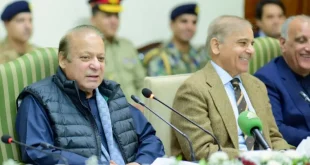
Deputy Prime Minister and Foreign Minister Ishaq Dar emphasized the government’s commitment to “proactive measures including policy changes and structural reforms” to ease the financial burden on citizens. However, these small fluctuations occur against a backdrop of persistently elevated fuel costs, a legacy of the dramatic events of early 2026.
Background: The Shadow of the Strait of Hormuz Crisis
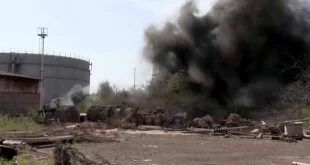
To understand the current fuel pricing landscape in Pakistan, one must recall the severe international energy crisis that unfolded earlier in 2026. The outbreak of the US-Iran war on February 28, 2026, severely impacted global oil supplies, particularly through the critical Strait of Hormuz – a choke point for a significant portion of the world’s crude oil shipments.
This geopolitical turmoil sent global crude prices soaring, and Pakistan, a net oil importer, felt the immediate brunt. From baselines of Rs266.17 for petrol and Rs280.86 for diesel on February 28, prices skyrocketed. By April 3, 2026, Pakistan witnessed historic peaks: petrol hit Rs458.41 per litre, and diesel reached an unprecedented Rs520.35 per litre. These figures represent increases of 72% and 85% respectively from their pre-crisis levels.
In response to this extreme volatility, the Pakistani government initially implemented weekly fuel price revisions. However, as “renewed hostilities in the Persian Gulf” continued to create uncertainty, a more agile system was adopted. Since July 17, OGRA has been tasked with revising fuel prices on a near-daily basis, aiming to more accurately reflect international market trends. This mechanism, while transparent, has also meant greater day-to-day price instability for consumers.
Beyond price revisions, the government has introduced several measures:
- Prime Minister’s Fuel Relief Scheme (Sept 17): A targeted subsidy program for motorcycles, rickshaws, and vehicles up to 800cc, offering a degree of relief to a specific segment of the populace.
- Refinery Contribution (Nov 2): A temporary arrangement where oil refineries contribute Rs15 billion to the petroleum levy, facilitating a substantial Rs14.71 reduction in the petrol price at the consumer end for a limited period.
- Austerity Measures: Reintroduction of measures such as a 9 pm market closure time and a 50% cut in fuel allocations for official vehicles, aiming to conserve energy and project fiscal discipline.
Impact on Pakistan: A Persistent Economic Burden
The continuous fluctuation and generally high levels of fuel prices have multifaceted impacts across Pakistan’s economy and society:
Consumer Burden and Inflationary Pressures
Changes in petrol prices directly affect the daily commutes and budgets of the middle and lower-middle classes, who rely on private transport, motorcycles, and rickshaws. The recent Re1 reduction, while welcome, offers minimal respite when compared to the hundreds of rupees added to prices since early 2026. Diesel price increases, however, have a more pervasive and inflationary effect. As HSD is crucial for heavy transport, agriculture (tractors, tube wells), and industrial power generation, its rise translates to higher costs for goods and services across the board, fueling general inflation.
Government Revenue and Fiscal Constraints
Fuel sales are significant revenue generators for the government. With Rs114 per litre in taxes and duties on petrol and Rs100 per litre on diesel, these levies form a substantial portion of the exchequer. This reliance creates a dilemma: reducing taxes offers consumer relief but strains fiscal accounts, while maintaining high taxes exacerbates public hardship. The temporary refinery contribution underscores the government’s limited fiscal space to absorb global price shocks through direct subsidies.
Trade Deficit and Energy Security
As a country heavily dependent on oil imports, Pakistan’s balance of payments is highly susceptible to international crude prices. Elevated fuel costs lead to a larger import bill, widening the trade deficit and putting pressure on already strained foreign exchange reserves. This highlights a persistent challenge to Pakistan’s energy security and overall economic stability.
Analysis: Navigating the Tides of Global Energy
The latest fuel price adjustment is a microcosm of the larger economic challenges facing Pakistan. The Re1 petrol reduction and Rs2 diesel increase, seemingly minor, reveal deeper structural issues and policy dilemmas.
The Balancing Act of Daily Pricing
The shift to a daily pricing mechanism, while promoting transparency and rapid response to international markets, also means consumers are exposed to constant volatility. While Deputy PM Dar touts “proactive measures,” the reality is that the government primarily passes on international price movements, albeit with some domestic adjustments like the temporary refinery contribution. The “relief” offered by a Re1 reduction is largely overshadowed by the fact that prices remain over 20% higher for petrol and 27% higher for diesel compared to their November 2025 levels (assuming the Nov 2026 prices are significantly higher than “Pre-crisis baseline”).
The increase in diesel price is particularly concerning. Given its critical role in the supply chain, this hike will almost certainly contribute to a general rise in commodity prices, negating any perceived relief from the petrol reduction for the broader population. It also signals that, despite targeted subsidies for small vehicles, the cost of industrial and agricultural inputs remains a significant worry.
Temporary Solutions to Enduring Problems
The refinery contribution to the petroleum levy, while commendable for its immediate impact of reducing petrol prices by Rs14.71 earlier, is a short-term fix. It cannot be sustained indefinitely. Similarly, the PM’s Fuel Relief Scheme targets specific segments but doesn’t address the systemic issue of high fuel costs for the majority or the broader inflationary spiral. The reintroduction of austerity measures like market closures aims at conservation and signaling fiscal prudence, but their direct impact on overall fuel consumption and price stability is likely marginal compared to global market forces.
The Road Ahead: Beyond Micro-Adjustments
Pakistan’s continued vulnerability to global oil price shocks necessitates a more robust and long-term energy strategy. This includes accelerating the diversification of energy sources, investing in renewable energy, improving public transport infrastructure to reduce reliance on private vehicles, and encouraging the adoption of more fuel-efficient or electric vehicles. While the government strives to ease the financial burden on the common man, true and sustainable relief will require transcending day-to-day price adjustments and addressing the fundamental dependencies that make the nation so susceptible to international energy volatility.
The current scenario underscores that, despite minor downward adjustments, the specter of the Strait of Hormuz crisis and persistent global energy instability continues to cast a long shadow over Pakistan’s economic stability and the daily lives of its citizens.
“`