Dost Pakistan Journeys Tours and safaris in the North & South Pakistsn
Related Articles



“`html
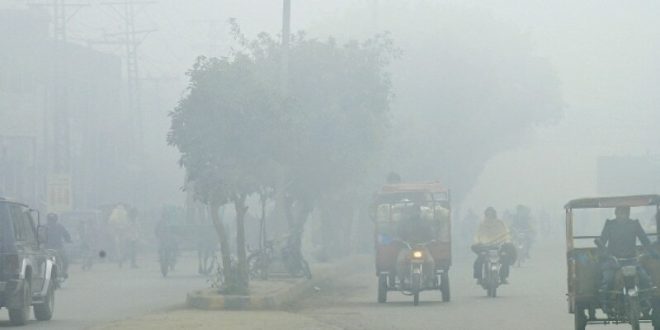
Lahore Chokes: Decoding Pakistan’s Persistent Air Pollution Crisis
The air quality in Lahore has once again plunged to alarming, hazardous levels, casting a dark cloud over Pakistan’s second-largest city. This recurring environmental crisis, with the city frequently topping global pollution charts, demands immediate and sustained attention. While government crackdowns are intensifying, the systemic issues contributing to this public health emergency require a more comprehensive and proactive approach.
The News: Lahore’s Staggering Pollution Levels
On a recent Sunday morning, Lahore registered an hourly Air Quality Index (AQI) exceeding 500, with real-time data from Swiss air quality monitoring platform IQAir classifying the air as ‘hazardous’ at 538. This placed Lahore at the apex of the world’s most polluted major cities, overshadowing counterparts like Delhi (207 AQI), Karachi (180 AQI), and Mumbai (177 AQI) by a significant margin. The crisis, however, is not confined to the provincial capital alone.
Eight other cities within Pakistan’s Punjab province also featured among the country’s top ten most polluted urban centers. Kahna Nau in Lahore district recorded an even higher AQI of 606, followed by Bahawalpur (536), Sargodha (392), and Gujranwala (347), alongside Multan, Dera Ghazi Khan, Faisalabad, and Peshawar. This widespread deterioration in air quality has become a distressing routine for Lahore, which has consistently ranked in the ‘hazardous’ category over recent weeks, with AQI readings frequently soaring above 250 and even reaching 465 just days prior.
Background: Unpacking the Roots of Lahore’s Smog
Lahore’s chronic air pollution is a confluence of geographical, meteorological, and anthropogenic factors. Nestled in the Indo-Gangetic plains, the city experiences temperature inversions during winter months, trapping pollutants close to the ground and transforming clear skies into a dense, toxic smog. This seasonal phenomenon is exacerbated by several human-induced factors:
- Industrial Emissions: Rapid, often unregulated, industrial expansion around Lahore and other Punjab cities contributes significantly to airborne particulate matter. Many industrial units lack adequate emission control technologies, spewing harmful gases and fine particles into the atmosphere.
- Vehicular Pollution: A burgeoning population and increasing urbanization have led to a surge in vehicles. Older, poorly maintained cars, along with the prevalence of low-quality fuel, are major sources of vehicular emissions, including carbon monoxide, nitrogen oxides, and particulate matter.
- Agricultural Practices: The burning of crop residue, particularly rice stubble, in surrounding agricultural areas – both within Pakistan and across the border in India – is a well-documented contributor to regional smog during specific harvesting seasons.
- Brick Kilns: Traditional brick kilns, known for their inefficient burning processes and reliance on polluting fuels, are significant emitters of black carbon and other hazardous pollutants. The news highlights intensified action against these units.
- Waste Burning and Construction Dust: Open burning of municipal and industrial waste, coupled with dust from extensive construction activities, further compounds the problem.
Impact on Pakistan: A Public Health and Economic Burden
The consequences of Lahore’s escalating air pollution are dire and far-reaching, particularly for public health and the national economy:
- Catastrophic Health Crisis: Air pollution, both indoor and outdoor, is globally recognized as the second-leading risk factor for deaths, claiming an estimated 8.1 million lives annually. Outdoor particulate matter alone accounts for 4.7 million fatalities. In Pakistan, the health burden is immense, leading to a surge in respiratory illnesses like asthma, bronchitis, and lung infections, cardiovascular diseases, strokes, and even certain cancers. Children and the elderly are particularly vulnerable, facing increased risks of developmental issues and premature mortality. Pakistan’s average PM2.5 concentration in 2025 was nearly 14 times the World Health Organisation’s annual guideline, placing it among the world’s most polluted countries.
- Economic Strain: The health crisis translates into significant economic costs. Increased healthcare expenditures, lost productivity due to illness, and reduced quality of life place a substantial burden on individuals and the public health system. Furthermore, Lahore’s reputation as a highly polluted city could deter foreign investment and tourism.
- Environmental Degradation: Beyond human health, the persistent smog degrades the natural environment, reduces visibility, and can impact agricultural yields and ecological balance.
- Social Disruption: During peak pollution events, life in affected cities is severely disrupted. Schools are often closed, outdoor activities are curtailed, and travel becomes hazardous due to poor visibility.
Analysis: Navigating Solutions and Challenges
The Punjab government’s Environment Protection and Climate Change Department (EPCCD) has responded with an intensified province-wide crackdown against environmental violations. This drive has seen the imposition of significant fines (Rs449.5 million), the sealing of thousands of premises (6,476), and numerous demolitions (1,808) during the first 11 months of 2026. Industrial units, brick kilns, illegal plastic businesses, and commercial establishments operating without proper suction hoods have been primary targets, reflecting a notable increase in regulatory action compared to the previous year.
Similarly, the Lahore Traffic Police have reported issuing challans to thousands of smoke-emitting vehicles, those transporting uncovered loads, and unfit vehicles. These efforts are commendable and demonstrate a heightened, albeit largely reactive, commitment to addressing immediate sources of pollution.
Challenges to Overcome:
Despite these enforcement efforts, several formidable challenges persist:
- Sustainability of Enforcement: While crackdowns yield immediate results, the long-term effectiveness hinges on sustained monitoring, consistent enforcement, and institutional capacity building, rather than episodic campaigns.
- Transboundary Pollution: A significant portion of the smog over Punjab originates from agricultural burning in both Pakistani and Indian Punjab. This demands regional cooperation and diplomatic solutions, which are often complex.
- Economic Realities: Implementing stricter environmental regulations can be costly for industries and businesses, particularly small and medium enterprises. Balancing economic growth with environmental protection requires careful policy design that offers incentives for cleaner technologies and sustainable practices.
- Public Awareness and Behavioural Change: Widespread awareness about the health risks of pollution and promoting individual actions—such as using public transport, reducing waste, and conserving energy—are crucial for a collective impact.
- Infrastructure and Technology Gaps: A lack of modern public transportation, reliance on outdated industrial technologies, and insufficient green infrastructure in urban planning exacerbate the problem.
A Path Forward: Integrated and Proactive Strategies
Addressing Lahore’s persistent air pollution crisis requires a multi-pronged, integrated, and proactive strategy:
- Comprehensive Policy Framework: Develop a long-term national and provincial clean air action plan that transcends seasonal crackdowns. This should involve collaboration across ministries, including environment, industry, agriculture, transport, and health.
- Technological Upgradation: Mandate and incentivize the adoption of cleaner industrial technologies, such as zigzag kilns for brick manufacturing, and promote Euro-standard fuels for vehicles.
- Sustainable Urban Planning: Invest heavily in modern, efficient public transportation systems to reduce reliance on private vehicles. Implement green urban development practices, including creating more green spaces and ensuring proper waste management.
- Regional Cooperation: Engage in constructive dialogue with neighboring countries to address transboundary sources of pollution, such as crop stubble burning.
- Public Health Response: Implement robust early warning systems, issue timely health advisories, and provide accessible healthcare resources for pollution-related illnesses.
- Research and Development: Invest in local research to better understand pollution sources, model future scenarios, and develop tailored, cost-effective solutions.
Lahore’s recurrent ranking as the world’s most polluted city is not merely a statistic; it represents a profound threat to the health and well-being of millions. While recent government actions are a step in the right direction, a sustained, strategic, and collaborative effort is imperative to transform Lahore from a city choking on smog into a beacon of clean, breathable air for its citizens.
“`