Dost Pakistan Journeys Tours and safaris in the North & South Pakistsn
Related Articles


Pakistan’s KP Ordinances: Unpacking the Erosion of Privileges and Centralization of Power
The News
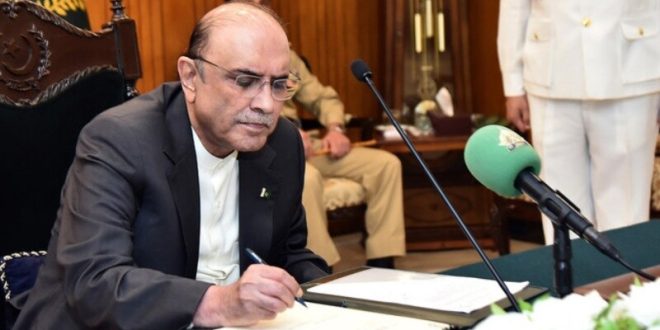
In a significant move impacting the governance landscape of Khyber Pakhtunkhwa (KP), President Asif Ali Zardari has recently promulgated five ordinances. These executive decrees usher in substantial changes, most notably stripping provincial lawmakers (MPAs) of crucial parliamentary privileges, including immunity from “preventive detention.” This development comes amidst a period of Governor’s Rule in the province, which has seen key figures, including the former Chief Minister and Speaker, reportedly held under such detentions.
Beyond curtailing legislative immunities, the ordinances also establish a powerful new framework for “special initiatives” across KP. Two separate ordinances pave the way for executive committees with extensive authority to identify, approve, and execute development and reconstruction projects. These committees are designed to operate with broad powers, including the ability to bypass existing provincial procurement laws and even recommend military formations as implementing agencies, particularly in a dozen designated districts grappling with acute security challenges. A fifth ordinance addresses amendments to the registration of religious madrasahs, simplifying their registration process by recognizing federal oversight.
Background
To fully grasp the implications of these ordinances, it’s crucial to understand the prevailing political and security environment in Pakistan, particularly within KP. The province is currently operating under Governor’s Rule, effectively suspending the democratically elected provincial government and placing its administration under direct federal control. This extraordinary measure was imposed following the declaration of an “emergency” on October 11, which cited escalating security concerns, especially in areas bordering Afghanistan.
The “12 designated districts” mentioned in the ordinances largely encompass the erstwhile Federally Administered Tribal Areas (FATA), now merged into KP. These regions have historically been epicenters of militancy, insurgency, and complex security operations. The federal government’s assertion of direct management over these “war-like situation” areas, along with the formation of an Area Representative and Development Council (ARDC), underscores a perceived need for swift, centralized action to address both security and underdevelopment.
The concept of “preventive detention” is also a critical backdrop. In Pakistani law, it allows for the detention of individuals without formal charges if authorities believe they pose a threat to public order or national security. The removal of this immunity for MPAs, especially when prominent opposition figures are already detained under such provisions, is a politically charged move. Ordinances themselves are temporary laws promulgated by the President or Governor when the legislative assembly is not in session. They require parliamentary approval within a specific timeframe to become permanent law, a process that can be contentious, particularly in a politically fractured environment.
Impact on Pakistan
The promulgation of these ordinances, particularly in the context of Governor’s Rule, carries profound implications for Pakistan’s democratic framework, provincial autonomy, and the delicate balance of power. At the forefront is the erosion of parliamentary privileges. Removing immunity against preventive detention and offences related to “breach of privileges” for MPAs could be perceived as a direct attack on legislative independence. It creates an environment where elected representatives, especially those in opposition, might fear arbitrary detention, thus hindering their ability to perform their duties freely and hold the executive accountable. This has significant consequences for freedom of speech and political dissent within the provincial assembly.
Secondly, the establishment of executive committees for “special initiatives” signals a substantial centralization of power. These committees, with their broad mandates to bypass existing provincial laws (like procurement and public-private partnership acts) and exclude civil court jurisdiction, effectively transfer significant developmental and administrative authority from provincial bodies to federally nominated entities. This move could undermine provincial autonomy, a cornerstone of Pakistan’s federal system, and potentially marginalize the role of local governance structures in decision-making that directly affects their constituents. The explicit mention of military formations as potential executing agencies further broadens the military’s role in civilian domains, a trend that often raises concerns about civil-military balance.
While proponents might argue that these measures are necessary for efficient, swift action in security-challenged regions, the bypassing of legislative oversight and judicial review raises serious questions about transparency and accountability. Without robust checks and balances, the potential for misuse of funds, lack of oversight in project execution, and selective application of these broad powers becomes a tangible risk. Furthermore, the absence of civil court jurisdiction for actions under these ordinances directly impacts the rule of law and citizens’ access to justice against potential administrative overreach.
Lastly, the madrasah registration amendment, though seemingly minor, reflects ongoing federal efforts to streamline and standardize the oversight of religious educational institutions. While aimed at potentially improving governance and curriculum, such moves often touch upon sensitive issues of religious freedom and educational autonomy.
Analysis
The recent ordinances in Khyber Pakhtunkhwa are not merely administrative adjustments; they represent a significant shift in the federal-provincial power dynamic and highlight the complex interplay of security, politics, and governance in Pakistan. On one hand, the urgent need to address security threats and foster development in long-neglected areas, particularly the merged districts, is undeniable. The swift action enabled by these ordinances could be seen as an attempt to cut through bureaucratic red tape and accelerate progress where traditional mechanisms have struggled.
However, the manner and timing of these promulgations raise critical concerns. Enacted under Governor’s Rule, bypassing a functional provincial assembly, and coinciding with the detention of key provincial political figures, these ordinances inevitably invite scrutiny regarding their political motivations. Critics may view them as a calculated move by the federal government to consolidate power, weaken political opposition, and establish a parallel governance structure under its direct control, rather than a purely benevolent administrative reform.
The sweeping powers granted to the executive committees, coupled with the erosion of legislative and judicial oversight, set a potentially dangerous precedent. While emergency situations may call for extraordinary measures, a robust democracy demands that such measures be temporary, transparent, and subject to eventual legislative and judicial review. The long-term stability and democratic health of Pakistan depend on upholding the principles of federalism, parliamentary sovereignty, and the rule of law. If these ordinances are perceived as undermining these foundational tenets, they risk deepening political polarization and eroding public trust in democratic institutions.
Moving forward, a genuine commitment to security and development must be balanced with respect for constitutional norms and provincial autonomy. A return to elected governance in KP and a robust parliamentary debate on these ordinances will be crucial to ensure their legitimacy, address concerns about accountability, and foster inclusive, sustainable development in the province.